
Should a heat-resistant conveyor belt be selected according to the temperature of the conveyed material or the actual temperature of the belt surface? This is an important technical question for cement plants, steel mills, mining operations, power stations, foundries, and other heavy-duty bulk-material handling facilities.
Hot clinker, sintered ore, coke, slag, and other high-temperature materials can damage conventional rubber conveyor belts. Prolonged thermal exposure may cause cover hardening, surface cracking, loss of elasticity, reduced adhesion, and premature belt failure.
However, the temperature of the bulk material is not necessarily the temperature experienced by the rubber belt cover. A material temperature of 200°C does not automatically mean the belt surface reaches 200°C. Actual heat transfer depends on particle size, material depth, contact time, belt speed, loading conditions, and cooling during the return cycle.
At the same time, selecting a belt solely from one measured surface temperature can also be misleading. Short-duration hot spots, abnormal operating conditions, and heat reaching the internal carcass may create additional risks that a single temperature reading cannot reveal.
A reliable procurement decision should therefore consider both material temperature and belt surface temperature, together with exposure duration, operating cycle, heat-resistant rubber properties, carcass construction, and the conveyor’s mechanical requirements.
Quick answer: Heat-resistant conveyor belt selection should use both conveyed-material temperature and actual or reliably estimated belt surface temperature. Material temperature defines the incoming thermal hazard, while belt surface temperature helps determine the heat exposure experienced by the rubber cover. The supplier must also evaluate continuous and peak temperatures, contact time, particle size, material loading, return-side cooling, and the temperature tolerance of the carcass and splice. Neither temperature alone is sufficient to guarantee the correct belt specification.
Understanding Material Temperature vs Belt Surface Temperature
A hot-material conveyor involves several different temperatures. Understanding them is essential before selecting a heat-resistant belt grade.
Material Temperature
Material temperature refers to the thermal condition of the clinker, coke, sinter, slag, or other bulk material being transported. It may be measured within the material stream, at the discharge of upstream equipment, or near the conveyor loading point.
The temperature measured at the kiln, furnace, or cooler may differ substantially from the temperature of the material when it actually reaches the belt.
Belt Surface Temperature
Belt surface temperature refers to the temperature of the rubber cover at a particular location and time. For hot-material handling, the carrying-side cover is usually the main area of concern because it contacts the conveyed material.
Its temperature depends on the amount of heat transferred from the material, the time available for heat absorption, and how quickly heat is released to the surroundings.
Internal Belt Temperature
Internal temperature refers to the thermal conditions within the rubber layers, reinforcement, and bonding interfaces of the conveyor belt.
The internal carcass may experience different temperatures from the outer surface because heat takes time to penetrate through the belt. Nevertheless, repeated thermal exposure can affect fabric reinforcement, adhesion layers, and splice performance.
| Temperature Type | What It Represents | Selection Purpose |
| Material Temperature | Heat carried by the bulk material | Defines normal and peak thermal exposure entering the conveyor |
| Belt Surface Temperature | Temperature reached by the rubber cover | Helps evaluate cover compound suitability and thermal aging |
| Internal Belt Temperature | Temperature within reinforcement and bonding layers | Helps assess carcass integrity, adhesion, and splice durability |
1. Why Is Material Temperature Different from Belt Surface Temperature?
Heat transfers from a hot bulk material into the conveyor belt through several mechanisms. Direct contact between material particles and the belt cover is particularly important, while radiation and heat transfer through surrounding air can also contribute.
The belt does not normally reach the same temperature as the hot material immediately upon contact. Heat transfer requires time, and the rubber cover continually exchanges heat with the surrounding environment.
For example, large hot clinker particles may touch the belt over relatively limited contact areas, while fine hot powder may form a more continuous layer against the rubber surface.
The contact conditions, material flow, belt speed, and conveyor length determine how much heat enters a particular section of the belt before discharge.
After discharge, the empty belt may cool as it travels along the return side. How much cooling occurs depends on ambient temperature, ventilation, conveyor length, belt construction, and operating conditions.
Important: There is no universal temperature difference between conveyed material and belt surface. It is unsafe to assume that the belt always operates a fixed number of degrees below the material temperature. The difference must be evaluated for the actual application.
2. Why Belt Surface Temperature Matters for Rubber Cover Selection
The carrying-side rubber cover is directly exposed to the hot material. Its thermal performance plays an important role in the service life of a heat-resistant conveyor belt.
When rubber is repeatedly exposed to excessive heat, its mechanical properties can change. Depending on the compound and exposure conditions, thermal aging may increase hardness, reduce elongation, promote cracking, or weaken other properties needed for conveyor operation.
Belt surface temperature is therefore a useful indicator of the actual thermal duty experienced by the cover compound.
However, a single measured temperature does not provide the complete answer. The temperature must be considered together with exposure duration, repeated heating cycles, local peak conditions, and the manufacturer’s validated heat-resistance performance.
For complete belt selection, see How to Choose Rubber Conveyor Belts for Heavy-Duty Bulk Material Handling.
3. Why Material Temperature Must Still Be Included
Although belt surface temperature is particularly relevant to rubber cover performance, the incoming material temperature remains essential.
Material temperature determines the available thermal energy and helps identify the potential severity of exposure. It is also necessary when direct belt-surface measurements are unavailable or when the conveyor is being designed before installation.
The highest credible material temperature is particularly important because abnormal process conditions can send hotter-than-normal material onto the belt.
Short-duration exposure to extremely hot material may create localized surface damage even when the average belt temperature remains within an acceptable operating range.
A proper specification should therefore include normal material temperature, maximum credible temperature, the duration of peak conditions, and how frequently they occur.
4. Particle Size Changes Heat Transfer to the Belt
Material particle size and shape strongly influence how heat is transferred to a conveyor belt.
Fine Hot Materials
Fine particles may form a relatively continuous layer across the rubber cover. When sufficient contact is maintained, this can create extensive heat transfer into the belt surface.
Examples include hot cement powder, fine sinter, and certain heated mineral products.
Large Hot Lumps
Larger particles may create less continuous contact with the belt, but they can also produce concentrated thermal and mechanical loading.
A large hot clinker lump can cause local scorching or cover damage at the point of contact, particularly if the material falls from a significant height or remains stationary against the belt.
Therefore, fine particles are not automatically less demanding than coarse material, and coarse particles are not automatically safer because their average contact area may be smaller.
Specify the typical particle-size distribution, maximum lump size, amount of fines, and whether unusually hot or oversized pieces may reach the conveyor.
5. Material Layer Thickness and Loading Depth
The thickness of the material layer on the conveyor can influence the belt’s thermal exposure.
A deep bed of hot material may retain heat for a longer period and reduce cooling of the belt-contact region. At the same time, heat transfer through granular material depends on particle contacts, voids, and material properties.
A thinner layer may cool more readily in some conditions, but small particles in close contact with the belt can still create significant surface heating.
The thermal behavior must therefore be evaluated using the actual bulk density, material bed depth, particle size, and loading rate rather than a simplified assumption about material thickness.
6. Belt Speed and Contact Time Affect Surface Temperature
Belt speed influences how long a particular section of belt remains in contact with the conveyed material.
On a conveyor with a fixed loaded length, a faster belt generally spends less time traveling beneath the material during each carrying cycle. A slower belt generally remains in contact with the material for longer during that cycle.
However, increasing belt speed does not automatically reduce the maximum operating temperature. Speed also changes the circulation time, material loading profile, return-side cooling interval, and frequency of thermal cycling.
Belt speed should be selected from capacity, loading behavior, dust control, material stability, and mechanical requirements as well as thermal conditions.
For related engineering considerations, see How to Choose Conveyor Belt Speed.
7. Continuous Heat Exposure vs Short-Duration Temperature Peaks
A heat-resistant conveyor belt must be selected for the operating temperature cycle, not simply the highest recorded number.
Consider two different operating conditions. The first conveyor handles hot material continuously throughout each shift. The second handles similar material intermittently, with substantial empty-running intervals between loads.
Even if both conveyors receive material at the same temperature, their belt surface temperature histories may be very different.
Continuous conveying can create sustained thermal exposure and repeated heating cycles with limited recovery. Intermittent operation may provide cooling periods, but very hot batches can still cause localized thermal damage.
Record the following information:
- Normal continuous material temperature.
- Maximum credible material temperature.
- Typical and maximum belt surface temperatures, where available.
- Duration of hot-material exposure.
- Frequency of temperature peaks.
- Length of empty-running or cooling intervals.
- Whether the conveyor can stop while hot material remains on the belt.
For a detailed application example, see Heat-Resistant Conveyor Belts for Intermittent Clinker.
8. What Happens When a Conveyor Stops with Hot Material on the Belt?
A loaded shutdown can create a particularly demanding thermal condition.
During normal conveying, each belt section travels through the loaded zone before returning to the loading point. If the conveyor stops while hot material remains on the carrying surface, the same belt area may experience prolonged stationary contact.
This can increase local heat absorption and contribute to cover hardening, scorching, cracking, or damage to internal bonding layers.
The risk depends on material temperature, contact duration, material bed depth, cover construction, and the available heat-loss paths.
When requesting a heat-resistant belt, identify whether loaded shutdowns are possible, how long hot material may remain stationary, and what procedures are available for managing this condition.
Critical consideration: A heat-resistant belt suitable for normal moving operation is not automatically suitable for prolonged contact with stationary hot material. Loaded-stop conditions must be evaluated separately, and no temperature rating should be assumed to guarantee unlimited stationary exposure.
9. How Should Belt Surface Temperature Be Measured?
Reliable temperature measurement is important for troubleshooting an existing conveyor and specifying a replacement belt.
Material temperature should be measured as close as practical to the point where the material reaches the belt. Temperature readings from upstream production equipment should be identified separately.
For belt surface measurements, an appropriately configured infrared thermometer or thermal imaging system can help observe exposed belt surfaces under representative conditions.
Useful locations may include the belt immediately after material discharge and selected accessible return-side locations. Measurements should also be taken at different times during the operating cycle when appropriate.
However, the exposed surface after discharge may already have begun cooling. It may not represent the highest temperature experienced at the material-to-belt contact interface while the belt was loaded.
Likewise, a thermal camera looking at the top of a material bed measures the visible material surface, not the concealed rubber surface beneath it.
Recommended Measurement Records
| Measurement | Location or Method | Purpose |
| Normal Material Temperature | Near the conveyor loading point | Establishes normal incoming thermal duty |
| Peak Material Temperature | During credible high-temperature events | Identifies short-duration thermal hazards |
| Exposed Carrying-Cover Temperature | After discharge or other accessible location | Provides a surface-temperature observation after some possible cooling |
| Return-Side Temperature | Selected accessible return locations | Helps evaluate cooling between cycles |
| Ambient Temperature | Near loaded and return sections | Supports evaluation of cooling conditions |
When measuring temperatures with infrared equipment, account for emissivity, reflected radiation, viewing angle, moving surfaces, and instrument limitations. Contact sensors or specialized test arrangements may be needed when more accurate thermal data are required.
Temperature measurements must follow the site’s equipment guarding, safe-access, and isolation procedures. Personnel should never reach beneath hot material or contact a moving belt to obtain a reading.
10. Practical Example: Same Material Temperature, Different Belt Temperatures
Consider two cement plant conveyors carrying clinker with the same incoming material temperature of 180°C.
Conveyor A is relatively short, operates with intermittent loading, and has opportunities for belt cooling. Conveyor B carries a deeper material bed over a longer loaded section and operates continuously in a warm enclosure.
Their belt surface temperature histories could be very different even though the material arrives at the same temperature.
| Condition | Conveyor A | Conveyor B |
| Material Temperature | 180°C | 180°C |
| Loading Cycle | Intermittent | Continuous |
| Loaded Contact Time | Relatively short per cycle | Longer per cycle |
| Cooling Conditions | Potentially more cooling opportunity | Potentially less cooling opportunity |
| Selection Priority | Evaluate peak exposure and recovery between loads | Evaluate sustained cover heating and heat accumulation |
This is an illustrative comparison, not a prediction of actual surface temperatures. Both conveyors require their own measurements or justified thermal assessment before a heat-resistant belt grade can be approved.
11. How Do Heat-Resistant Belt Grades Relate to Temperature?
Heat-resistant conveyor belts are often marketed using descriptions such as T1, T2, T3, HR, or other supplier-specific names.
These names can be useful as commercial categories, but buyers should not assume that all manufacturers use identical temperature definitions or performance criteria.
A more reliable approach is to identify the relevant technical standard and compare the actual test requirements, rubber properties, and intended application conditions.
The current ISO 4195:2026 addresses the heat resistance of rubber conveyor belt covers. It establishes requirements and test methods involving changes in hardness, tensile strength, and elongation after heat exposure, within its defined scope.
The standard applies to belts with a carrying-side rubber cover thickness of at least 4 mm. Its cover-testing classifications should not be interpreted as universal maximum temperatures for the bulk material being conveyed or as guarantees of complete belt service life.
Procurement principle: A laboratory heat-aging test temperature, a supplier’s recommended material temperature, and the actual operating belt surface temperature represent different things. Ask the supplier to define which temperature each quoted rating describes and confirm that the proposed complete belt is suitable for the actual duty.
12. Select the Rubber Cover Compound for Actual Thermal Duty
The rubber formulation is central to heat-resistant conveyor belt performance.
Ordinary conveyor belt compounds may lose useful mechanical properties when exposed to temperatures beyond their intended operating conditions. Specialized heat-resistant compounds are formulated to improve resistance to thermal aging and retain suitable performance during service.
EPDM-based rubber compounds are commonly used in many heat-resistant belt applications. Other rubber formulations may also be used depending on the required temperature exposure, abrasion resistance, flexibility, and manufacturing approach.
The rubber name alone is not a sufficient specification. Different formulations using the same general polymer family can have different thermal-aging, abrasion, and mechanical properties.
Request documentation describing the cover’s agreed heat-resistance testing, physical properties, and intended continuous and intermittent operating limits.
13. Cover Thickness and Internal Carcass Temperature
The top cover forms a protective layer between the conveyed material and the internal reinforcement of the belt.
A suitably designed thicker top cover may provide additional wear allowance and increase the thermal path between the hot material and carcass. This can be useful in some hot, abrasive applications.
However, increasing cover thickness is not a universal solution. Heat will continue to penetrate during prolonged exposure, and excessive thickness can affect belt flexibility, pulley compatibility, troughability, weight, and cost.
The carcass must also withstand the mechanical tension and the temperatures it experiences. EP fabric, NN fabric, steel cord, and specialized carcass constructions have different strengths and design characteristics.
Steel cord construction should not be selected solely because the material is hot. It is generally considered where conveyor length, tension, elongation requirements, or other mechanical factors justify it. Thermal compatibility of the bonding rubber and other belt components must still be verified.
14. Heat Resistance Must Be Combined with Abrasion and Impact Resistance
Hot bulk materials frequently create more than one type of belt damage.
Cement clinker, iron ore sinter, hot aggregate, and some industrial slag materials can be abrasive. Large particles may also produce impact and cutting damage at transfer points.
A rubber cover with suitable heat resistance but inadequate abrasion or cut resistance may wear rapidly, exposing internal reinforcement or shortening belt life.
The selection should consider the combination of thermal aging, abrasive wear, impact loading, and repetitive flexing.
Loading chutes, impact support, and correct material presentation can also help reduce local belt damage. High-temperature belt selection should not be used to compensate for avoidable mechanical problems at the loading point.
15. Pulley Diameters, Splices and Related Components
Selecting a thicker or differently constructed heat-resistant belt may change the mechanical requirements of the conveyor system.
Before purchasing, confirm that existing drive, tail, bend, snub, and take-up pulleys are compatible with the proposed belt thickness, tensile rating, and flexibility.
The splice is another important consideration. Heat can affect the bonding materials and reinforcement interfaces within the joint, so splice materials and procedures should be suitable for the selected belt construction and operating conditions.
Belt cleaners, skirt seals, pulley lagging, rollers, and other nearby components may also be exposed to elevated temperatures. Their operating-temperature limitations should be checked as part of the system review.
16. Use Existing Belt Failure Patterns to Evaluate Temperature Selection
When replacing a failed heat-resistant belt, the pattern of damage can provide useful evidence about whether the previous temperature specification was suitable.
| Observed Belt Damage | Possible Cause | What to Investigate |
| Cover Hardening | Thermal aging or unsuitable compound | Actual surface temperature and exposure duration |
| Surface Cracking | Thermal aging combined with repeated flexing | Cover condition, operating heat, pulley diameters |
| Localized Scorching | Hot particles, abnormal peaks, or stationary contact | Lump temperature, loaded shutdowns, contact duration |
| Cover Separation | Thermal degradation, bonding defects, or mechanical damage | Internal temperature, adhesion, belt construction |
| Deep Gouges and Cuts | Large abrasive lumps or impact loading | Chute design, drop height, impact support |
| Splice Deterioration | Thermal, mechanical, or workmanship problems | Splice materials, procedure, temperature, tension |
These observations do not prove a single root cause. Photographs, temperature records, belt samples, operating data, and supplier inspection may be necessary to identify the primary failure mechanism.
17. How to Specify a Heat-Resistant Belt When Surface Temperature Is Unknown
For a new conveyor project, directly measured belt surface temperatures may not be available because the equipment has not yet entered service.
In this situation, buyers should provide the best available thermal and operating information to the manufacturer. The supplier can then assess the likely heat exposure using relevant material data, comparable applications, and appropriate engineering methods.
The purchasing specification should identify any assumptions used to estimate belt temperature and whether the supplier’s recommendation is based on calculations, laboratory testing, prior field experience, or a combination of methods.
If operating conditions are unusually severe or uncertain, a controlled trial or additional thermal evaluation may be appropriate before approving the final belt construction.
Do not invent a belt surface temperature by subtracting a fixed allowance from the hot-material temperature. This shortcut can result in under-specification or unnecessary over-specification.
18. What Information Should Be Included in the RFQ?
A complete request for quotation allows suppliers to recommend a heat-resistant belt using the actual material and conveyor conditions rather than relying on a single maximum temperature.
| RFQ Category | Required Information |
| Material Details | Material type, particle size, maximum lump size, bulk density, abrasiveness |
| Material Temperature | Normal and maximum temperature, measurement location, peak duration and frequency |
| Belt Surface Temperature | Measured values, location, measurement method, or estimated thermal conditions |
| Conveyor Geometry | Belt width, loaded length, total length, incline, pulley diameters |
| Operating Conditions | Belt speed, capacity, material bed depth, operating hours, shutdown conditions |
| Cooling Environment | Ambient temperature, enclosure, ventilation, return-side cooling opportunity |
| Belt Construction | Carcass type, tensile rating, cover compound, top and bottom cover thickness |
| Splice and Interfaces | Splice method, pulley compatibility, cleaning system, loading support |
| Quality Requirements | Applicable test standard, heat-aging properties, inspection documentation |
| Procurement | Quantity, roll length, delivery date, drawings, previous belt failure records |
19. A Practical Heat-Resistant Conveyor Belt Selection Checklist
01. Identify the hot bulk material and its particle-size distribution.
02. Measure normal and maximum material temperatures near the belt loading point.
03. Obtain representative belt surface temperature data where practical.
04. Record temperature peak duration, frequency, and credible abnormal conditions.
05. Determine loaded contact time, belt speed, and cooling opportunity.
06. Assess the risk of loaded shutdowns with hot material.
07. Confirm heat-resistant cover compound and relevant thermal-aging tests.
08. Select cover thickness and carcass according to thermal and mechanical duty.
09. Check abrasion resistance, impact conditions, and loading-chute design.
10. Verify splice materials, pulley diameters, and nearby component temperature limits.
11. Approve the complete belt specification, testing basis, and supplier assumptions before production.
Common Mistakes When Selecting Heat-Resistant Conveyor Belts
Mistake 1: Selecting Only from Maximum Material Temperature
Material temperature alone does not define the heat absorbed by the rubber cover. Contact time, particle size, loading depth, and cooling conditions must also be evaluated.
Mistake 2: Using One Belt Surface Reading as the Maximum Temperature
The measured surface may already have cooled after discharge, and local hot spots may not appear in an average reading.
Mistake 3: Assuming T1, T2 and T3 Always Mean the Same Thing
Commercial heat-resistant grade names may differ between manufacturers. Compare the relevant performance specifications and test methods instead of the label alone.
Mistake 4: Ignoring Peak Temperatures and Loaded Shutdowns
Short exposure to extremely hot material or prolonged stationary contact can damage the belt even when normal operating temperatures appear acceptable.
Mistake 5: Selecting Only the Highest Heat-Resistance Grade
A higher heat-resistance classification does not automatically ensure suitable abrasion resistance, carcass strength, flexibility, splice compatibility, or economical operation.
Mistake 6: Ignoring Internal Belt Components
A heat-resistant outer cover cannot guarantee reliable operation if the carcass, bonding layers, or splice materials are unsuitable for the thermal exposure.
How to Compare Heat-Resistant Conveyor Belt Suppliers
A suitable supplier should distinguish between conveyed-material temperature, actual or estimated belt surface temperature, and the complete thermal operating cycle.
When comparing quotations, ask whether each supplier has evaluated normal and peak temperature exposure, particle size, belt speed, contact time, cooling conditions, abrasion, and mechanical tension.
Compare the proposed rubber cover formulation, heat-resistance testing basis, carcass construction, cover thickness, splice recommendations, and any stated operating limitations.
If a supplier quotes a maximum material temperature, ask what operating conditions support that figure. The quoted rating should not be treated as an unconditional guarantee for every material and conveyor arrangement.
For critical installations, relevant test reports, engineering review, sample evaluation, or field experience can provide stronger evidence than a general product description.
Heat-Resistant Conveyor Belt Solutions from SHENGYUAN
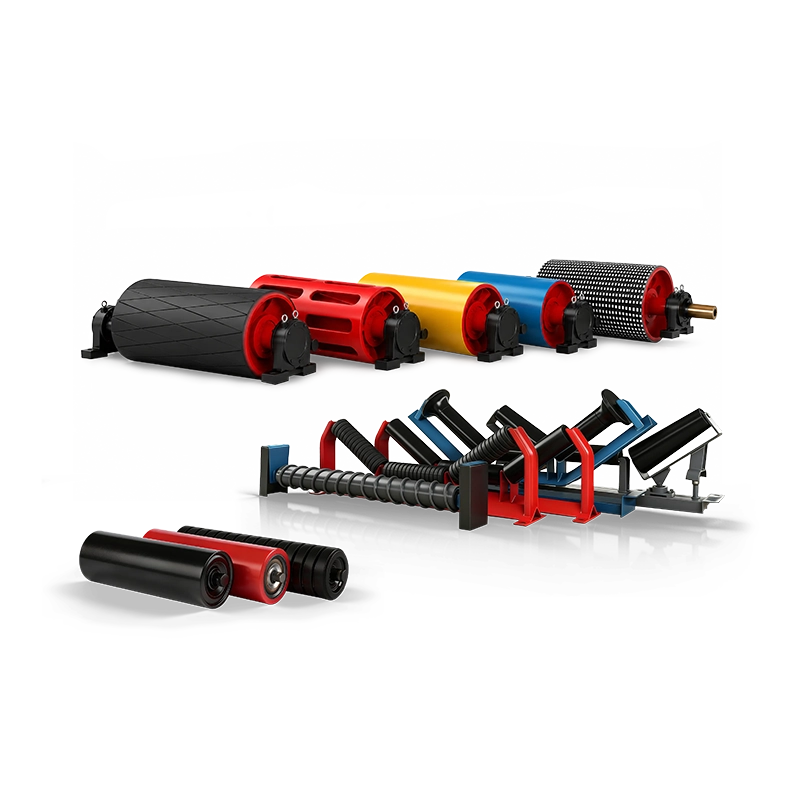
SHENGYUAN supplies conveyor belts, rollers, idlers, pulleys, belt cleaners, frames, and related components for cement plants, mining operations, steel mills, power stations, ports, quarrying, and other heavy-duty bulk-material handling applications.
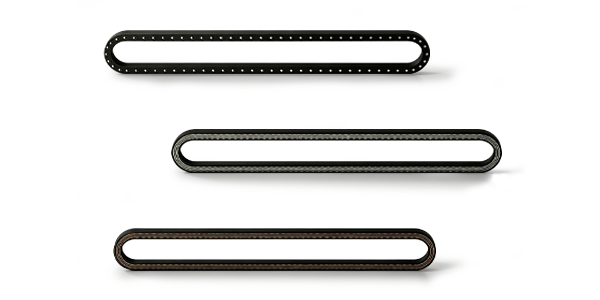
The SWCONS conveyor belt range includes rubber conveyor belt constructions for different industrial material-handling requirements, including heat-resistant applications.
For hot-material projects, the belt specification can be reviewed according to normal and maximum material temperatures, actual or estimated belt surface temperature, operating duration, particle size, abrasion, belt width, tensile rating, cover thickness, and installation conditions.
Through custom conveyor solutions, belt requirements can also be coordinated with customer drawings, pulley configurations, rollers, loading systems, and other conveyor components.
Need a heat-resistant conveyor belt for hot clinker, sinter, coke or other bulk materials?
Send the conveyed material, normal and maximum temperatures, available belt surface measurements, peak duration and frequency, particle size, loading depth, belt width, belt speed, conveyor length, capacity, existing belt construction, pulley diameters, splice requirements, and photographs of any current belt damage. These details provide a stronger basis for selecting the appropriate heat-resistant belt than material temperature alone.
Conclusion: Use Both Temperatures to Make the Right Belt Selection
Heat-resistant conveyor belt selection should not be based exclusively on either material temperature or belt surface temperature.
Material temperature defines the incoming thermal hazard and helps identify normal and abnormal operating conditions. Belt surface temperature provides important information about the heat exposure experienced by the carrying-side rubber cover. Internal belt temperature and repeated thermal cycling must also be considered where they may affect reinforcement, adhesion, or splice performance.
Particle size, material-layer thickness, belt speed, contact duration, ambient temperature, cooling opportunities, and loaded shutdowns can all change the thermal conditions experienced by the belt.
The most reliable purchasing approach is to provide both temperature measurements where available, describe the complete operating cycle, and confirm the proposed cover compound, carcass, thickness, and splice requirements against the actual duty.
Material temperature tells you how hot the load is. Belt surface temperature helps show how much heat the rubber cover actually experiences. Selecting the correct heat-resistant conveyor belt requires both values—and an understanding of how temperature, time, material characteristics, and conveyor design interact.