Conveyor Belts for Heavy-Duty Bulk Handling
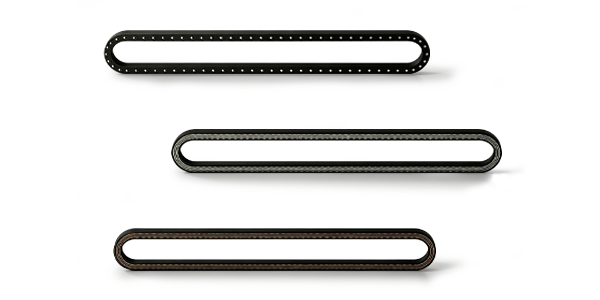
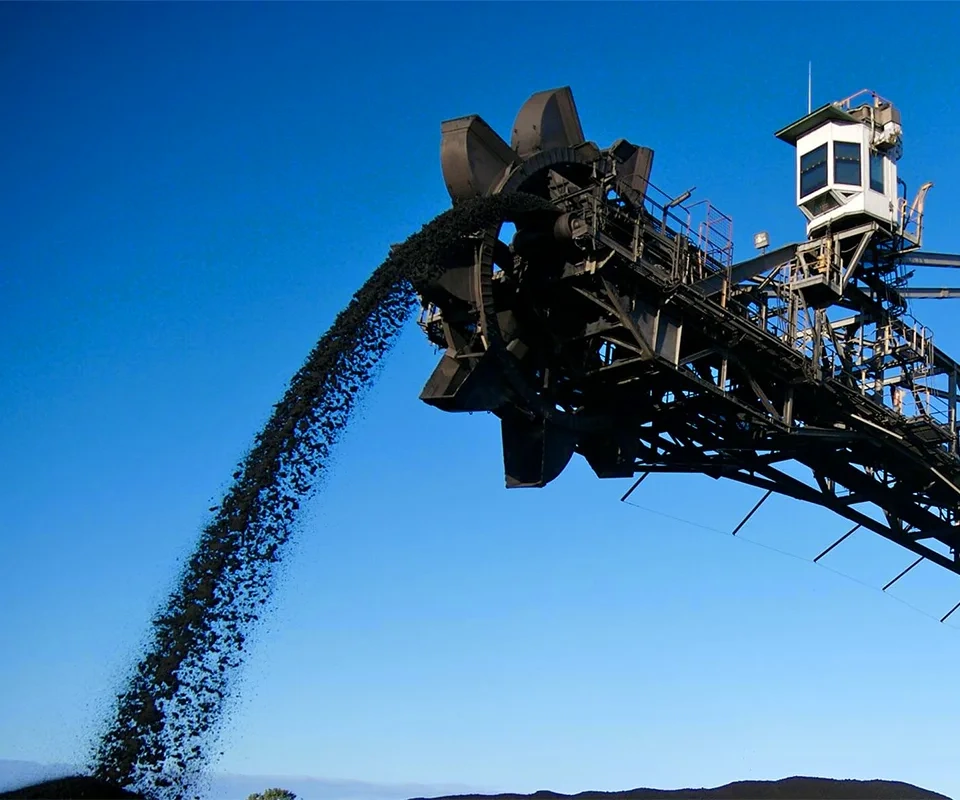
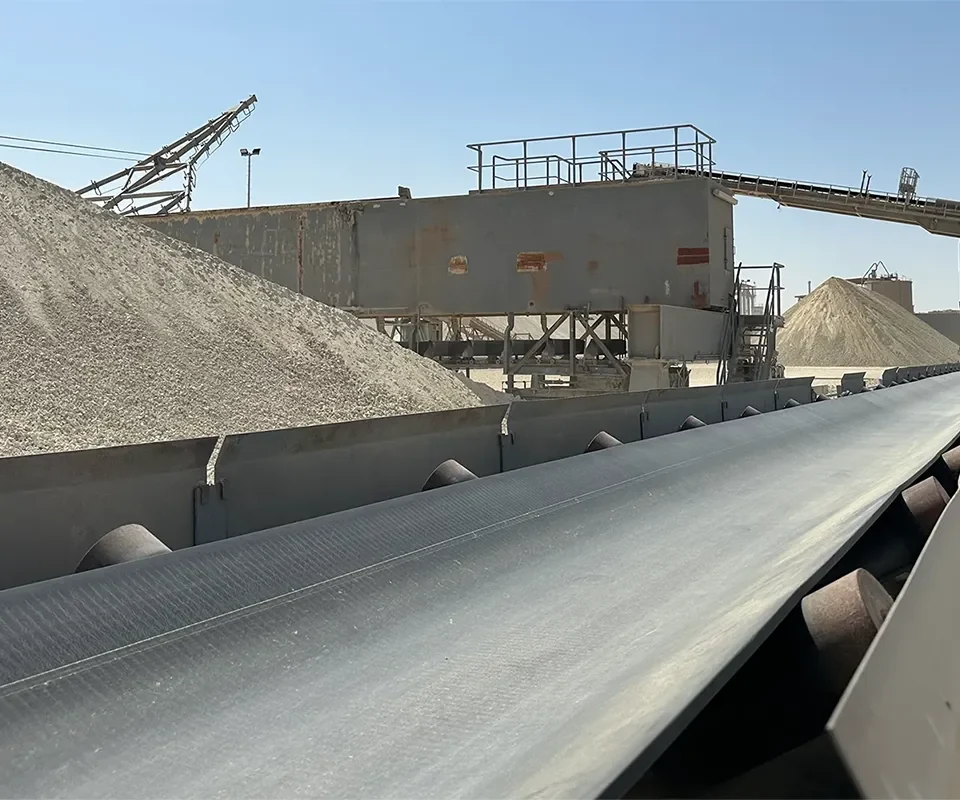
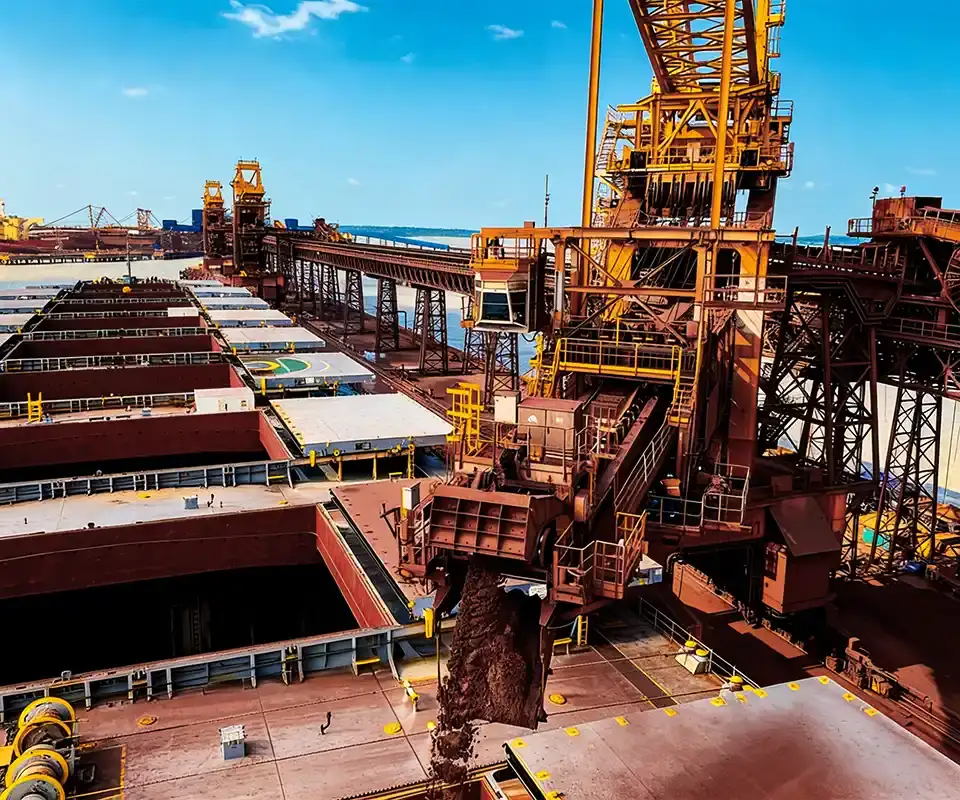
SHENGYUAN supplies heavy-duty conveyor belts for mining, coal, cement, aggregate, power plants, ports, terminals, chemical processing and other bulk material handling systems. From general rubber fabric belts to steel cord, chevron, sidewall, pipe and PVC/PVG solid woven belts, each belt can be selected according to material type, capacity, conveyor length, incline angle, temperature, safety requirements and maintenance conditions. Our team supports belt selection together with conveyor rollers, pulleys, idlers and belt cleaners so the complete conveyor line can run with stable tracking, reliable load support and lower maintenance risk.
Conveyor Belt Series
Conveyor Belt Advantages
Rubber, steel cord, chevron, sidewall, pipe and PVC/PVG belts.
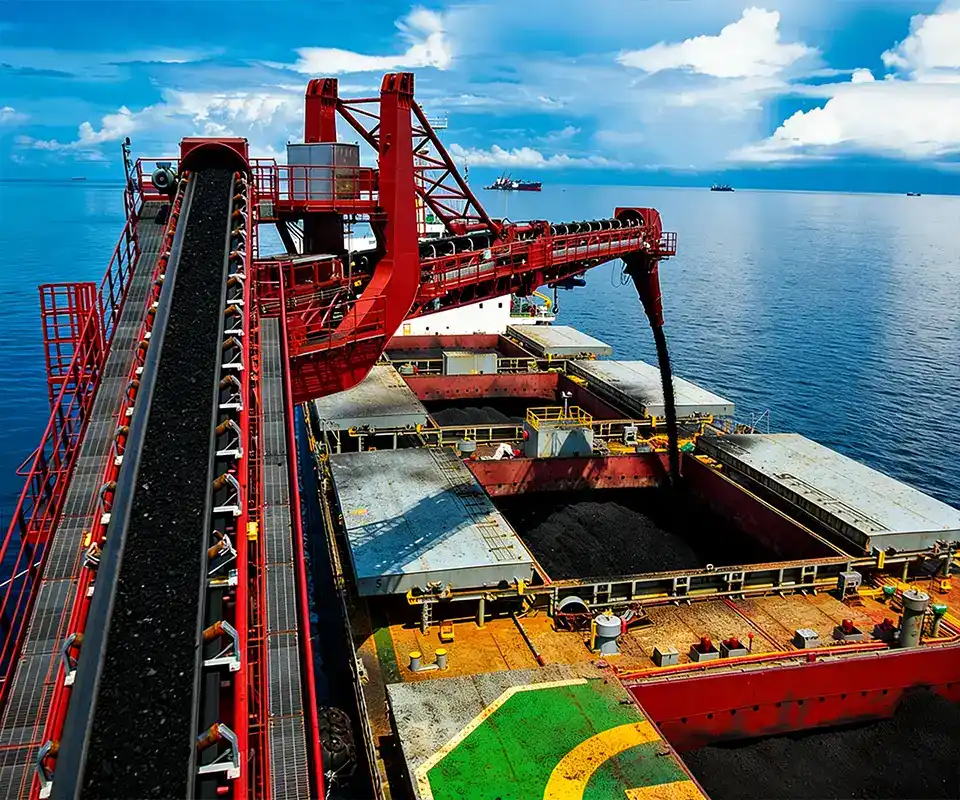
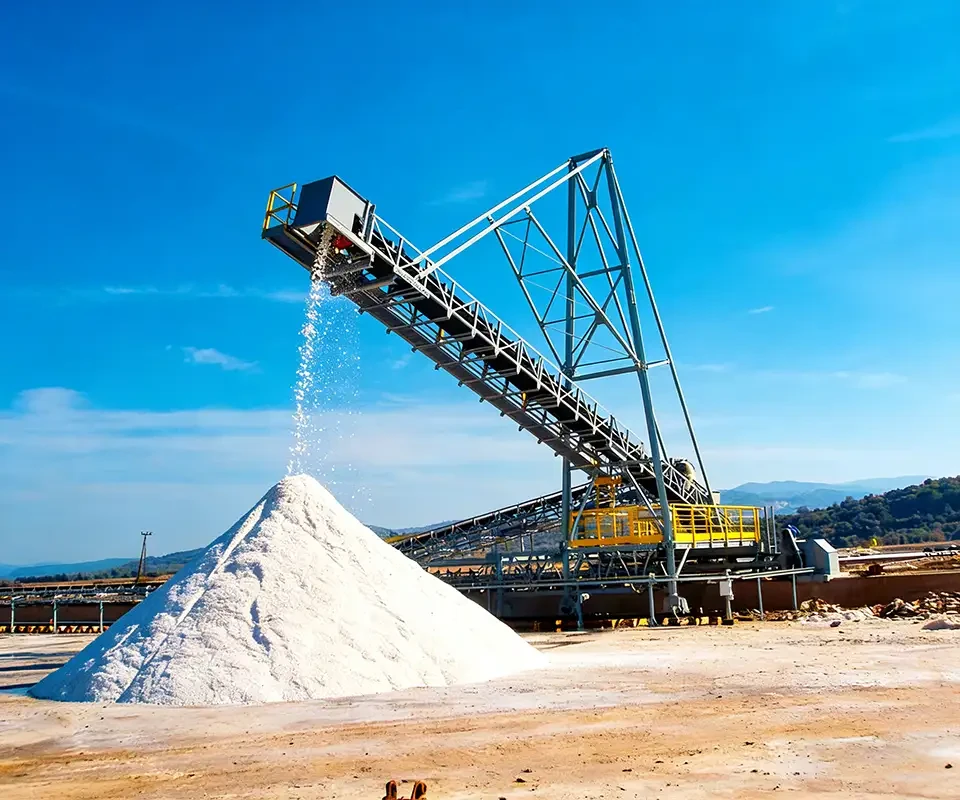
For mining, cement, aggregate, ports, power plants and coal.

Width, rating, cover grade and splice method matched to the conveyor.

Belt choices checked with rollers, pulleys, idlers and cleaners.

Material, carcass, cover and dimensional checks support consistency.

Technical data review helps buyers choose the right belt faster.
Applications
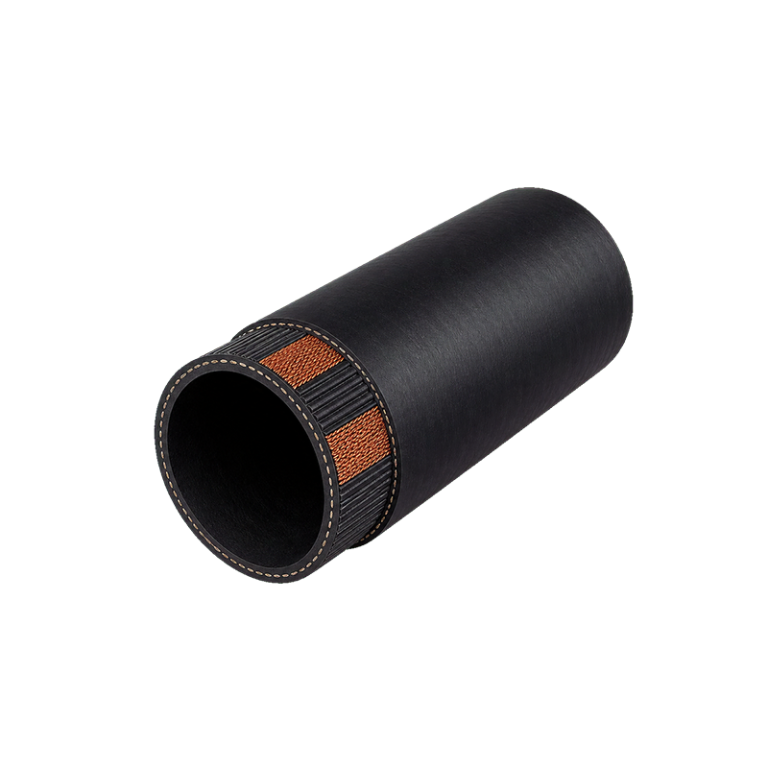
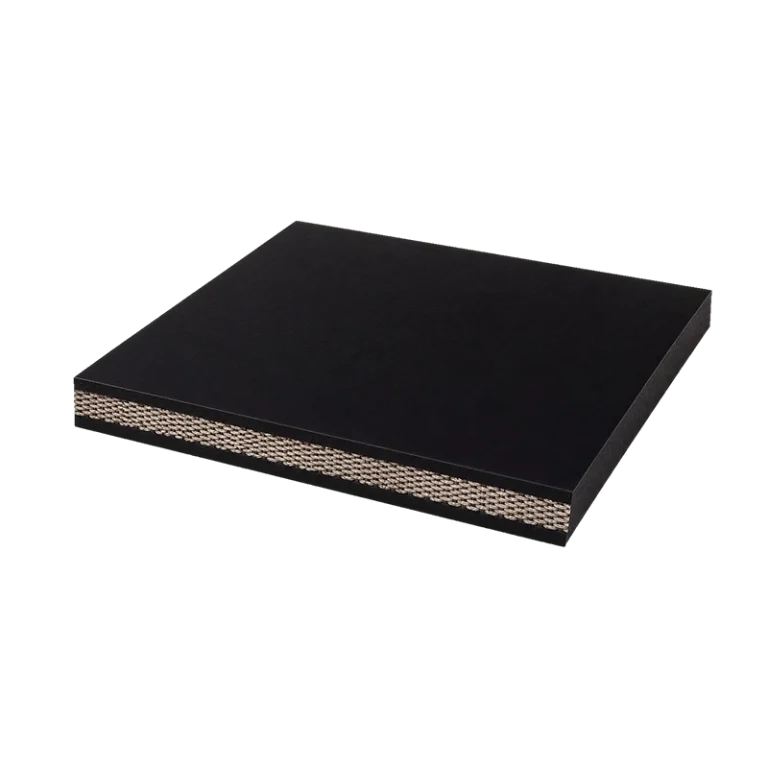
We supply conveyor belts for heavy-duty bulk material handling, including rubber fabric belts, EP fabric belts, NN nylon belts, steel cord belts, flame resistant belts, heat resistant belts, oil resistant belts, cold resistant belts, acid and alkali resistant belts, chevron belts, sidewall belts, pipe conveyor belts and PVC/PVG solid woven belts.
The right conveyor belt depends on the conveyed material, belt width, conveyor length, capacity, incline angle, belt speed, pulley diameter, temperature, oil or chemical exposure and safety requirements. For mining, cement, aggregate, ports and power plants, belt strength, cover grade and carcass type should be selected together with the conveyor layout.
Please provide belt width, total length, belt rating, ply number or steel cord rating, top and bottom cover thickness, material name, lump size, temperature, conveyor length, lift height, belt speed and splice method. If you are replacing an existing belt, photos of the belt marking and conveyor layout can help confirm the specification faster.
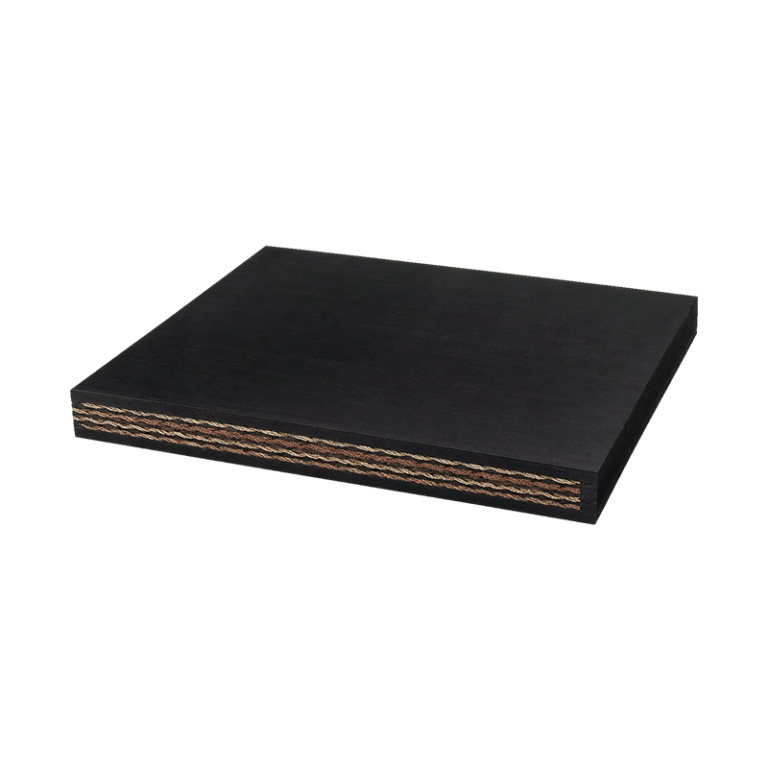
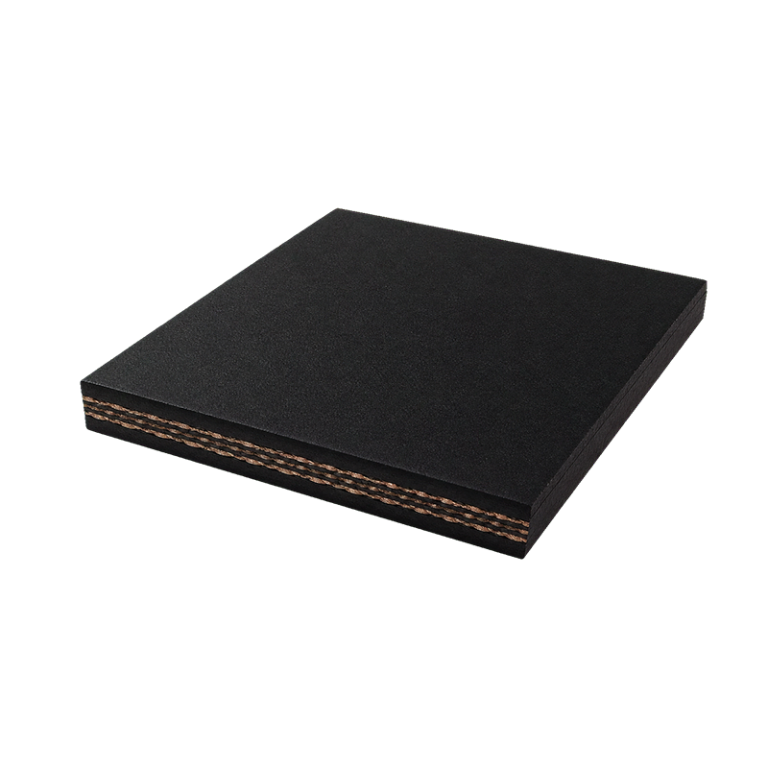
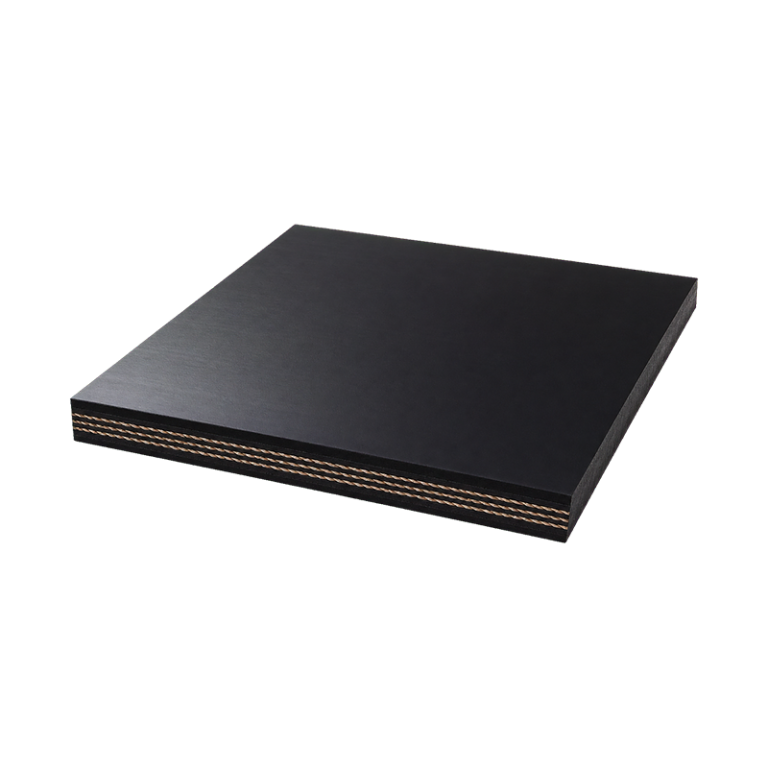
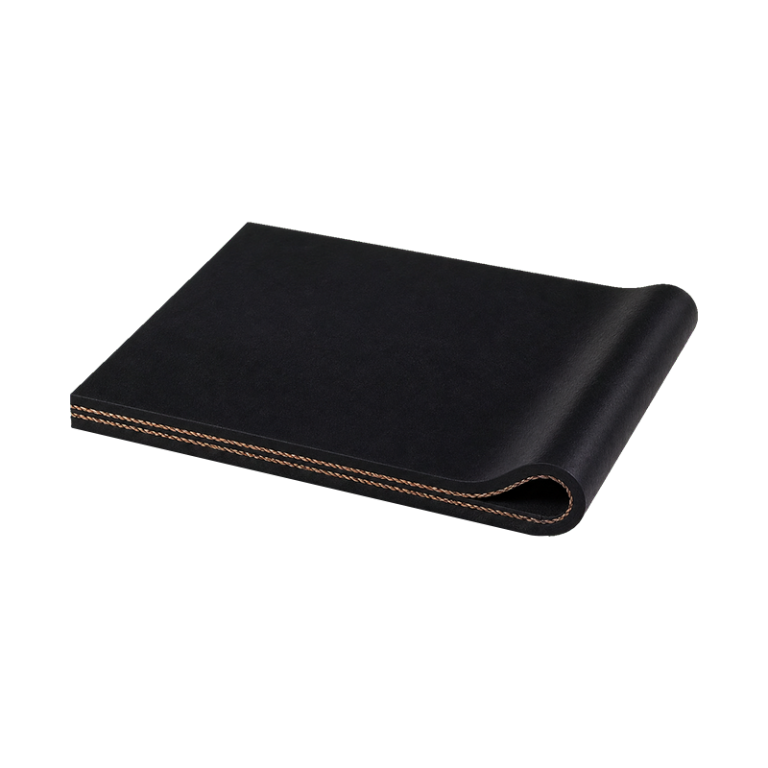
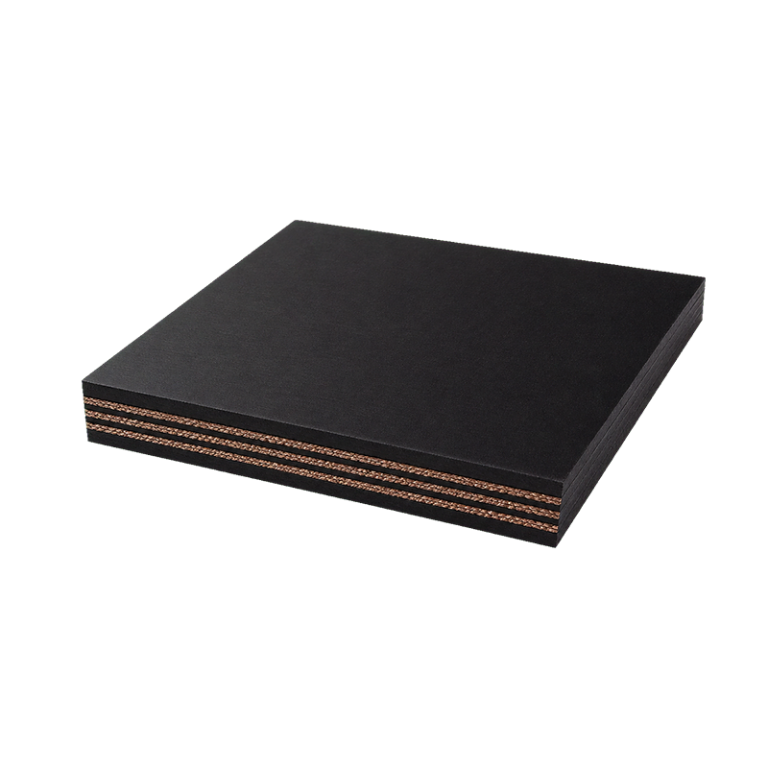
Fabric conveyor belts use textile reinforcement such as EP or NN fabric and are widely used for general and medium-duty bulk handling. Steel cord conveyor belts use steel cords as the tension member, making them suitable for long-distance, high-tension and high-capacity conveyor systems where low elongation is important.
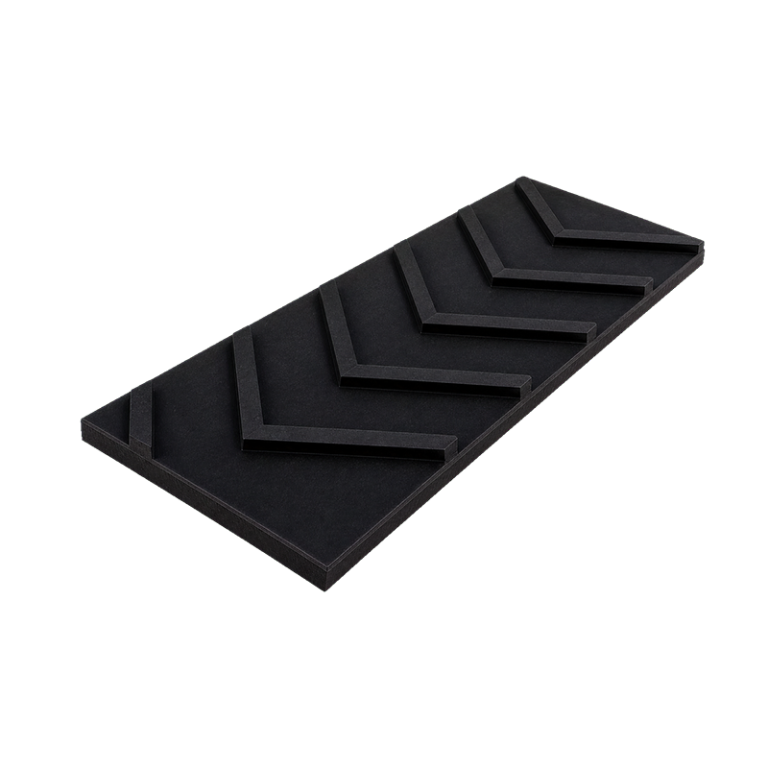
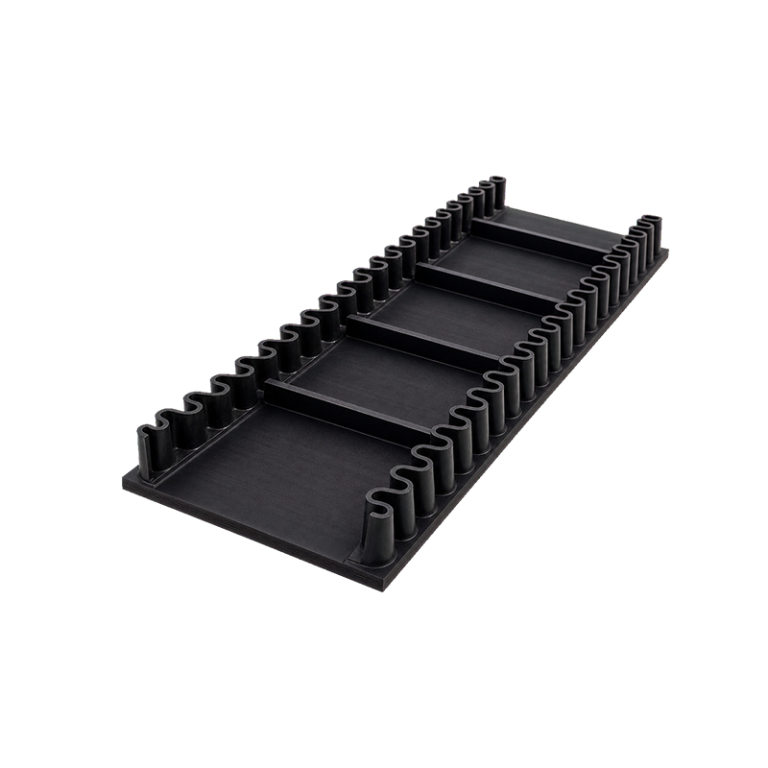
Chevron conveyor belts are often used for moderate incline conveying because the raised pattern helps reduce material rollback. For steep incline or vertical conveying, corrugated sidewall conveyor belts with cleats are usually a better choice because they help contain material at higher angles.
Yes. Conveyor belts can be customized by width, length, tensile strength, carcass type, cover thickness, rubber grade, cleat profile, sidewall height and safety performance. Special cover options include abrasion resistant, heat resistant, flame resistant, oil resistant, cold resistant and chemical resistant compounds, depending on the working condition.