
Two mining conveyor belt quotations can specify the same width and tensile strength yet describe substantially different products. Carcass construction, cover compound, thickness, splice requirements, and inspection documents all affect what the mine actually receives.
The purchasing challenge is therefore not simply finding a belt labeled “heavy duty.” It is establishing whether each offer matches the operating conditions and whether the supplier can demonstrate compliance with the agreed specification.
For initial engineering selection, see our mining conveyor belt selection guide. This article focuses on the next step: comparing quotations, checking performance claims, and defining acceptance requirements before placing an order.
Quick answer: Compare mining conveyor belts against one written specification. Confirm the complete belt strength, carcass construction, top and bottom cover thicknesses, measurable cover performance, pulley compatibility, splice requirements, and delivery scope. A lower price is meaningful only when these requirements are equivalent.
1. Give Every Supplier the Same Operating Information
“Transporting iron ore” is not a complete specification. Fine, dry ore on a steady feed presents different problems from wet, angular lumps falling onto the belt from a high transfer point. Suppliers need the conditions that influence wear, loading, and belt flexibility.
01. Material: bulk density, normal and maximum lump size, moisture, sharpness, and contaminants.
02. Duty: normal and peak throughput, belt speed, operating hours, and material temperature.
03. Conveyor: length, lift, incline, pulley diameters, take-up arrangement, and available tension calculations.
04. Failure history: photographs and records of cuts, worn covers, edge damage, splice failures, or tracking problems.
Ask suppliers to identify assumptions and deviations explicitly. Missing information should produce a clarification request, not an undocumented substitution.
2. Separate Belt Strength from Carcass Construction
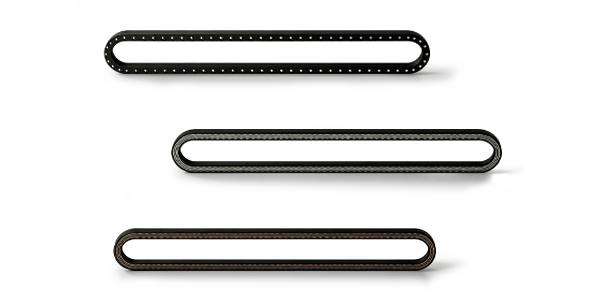
EP belts generally use polyester in the longitudinal direction and nylon across the belt. NN belts use nylon reinforcement in both directions, while steel cord belts use longitudinal steel cords. These descriptions identify construction families; they do not establish suitability by themselves.
Require quotations to state the rated tensile strength of the complete belt in N/mm, separately from the number of plies or steel cord details. Supplier shorthand can be ambiguous. Confirm whether a quoted strength describes the finished belt or an individual reinforcement layer.
A strength rating is not the allowable operating tension. Working tension, safety factors, transient loads, and splice performance still require engineering verification. Likewise, adding plies does not automatically create a better replacement: it can change belt thickness, flexibility, and pulley requirements.
3. Turn Cover Grade Claims into Checkable Requirements
Ask What “Abrasion Resistant” Actually Means
A useful quotation names the test standard, method, reported property, unit, and acceptance limit. “Premium abrasion resistance” without these details is difficult to compare.
ISO 4649:2024 describes rubber abrasion tests using a rotating cylindrical drum, with non-rotating and rotating test-piece methods. When results use the same method and reporting basis, lower relative volume loss indicates better performance in that test. An abrasion resistance index is a different measure and should not be interpreted the same way.
Laboratory abrasion performance is not a service-life guarantee. Cutting by sharp rock, impact damage, trapped material, and poor tracking introduce failure mechanisms that a single abrasion result cannot describe.
Check the Standard’s Scope
ISO 14890:2026 concerns rubber- or plastics-covered textile conveyor belts for general surface use. A reference to this standard does not by itself establish suitability for underground mining or qualify a steel cord belt. Specify the applicable standard and agreed edition in the purchase documents.
Describe Special Exposures Precisely
For hot material, provide continuous and peak temperatures, contact duration, and cooling conditions. For oils or chemicals, identify the substance, concentration, temperature, and exposure pattern. Underground or combustible-material applications also require assessment against applicable fire and electrical safety requirements. Generic labels are not substitutes for this review.
4. Compare Quotations Line by Line
The following hypothetical comparison shows why matching width and strength is insufficient. These are illustrative specifications, not Shengyuan product recommendations or test results.
| Specification | Offer A | Offer B |
| Belt width | 1,000 mm | 1,000 mm |
| Complete belt strength | 400 N/mm | 400 N/mm |
| Carcass | Three-ply EP | Four-ply EP |
| Top / bottom cover | 4 mm / 2 mm | 6 mm / 2 mm |
| Abrasion evidence | Method and acceptance limit stated | “Abrasion resistant” only |
| Existing pulley compatibility | Written confirmation provided | Not yet confirmed |
Neither offer can be selected from these details alone. Offer B contains more cover rubber, but its wear performance and compatibility remain unverified. Offer A supplies clearer documentation, but its cover thickness must still suit the application.
Buying tip: Keep unresolved items visible in a quotation comparison sheet. Mark them “confirmation required” instead of assuming that an omitted requirement is included.
5. Verify Replacement Compatibility Before Ordering
A replacement belt must work with the installed conveyor, not just meet a standalone datasheet. Obtain confirmation of minimum pulley diameters for the proposed construction, operating tension, and splice arrangement. Check drive, tail, bend, and snub pulleys where applicable.
Also review belt thickness at skirting and cleaners, troughing suitability, and available take-up travel. Different carcasses can have different elongation behavior. Our conveyor take-up guide explains the arrangements involved.
Clarify whether the supplied length includes splice allowance, whether delivery is open-ended or endless, and who provides splice materials, procedures, installation, and inspection.
6. Agree on Inspection and Acceptance Documents
Inspection requirements are most useful when agreed before production. A generic brochure or quality-management certificate is not evidence that a particular roll satisfies the purchase specification.
01. Traceability: order reference, belt specification, roll identification, and relevant batch records.
02. Dimensions: agreed length, width, cover and total thickness tolerances, and measurement methods.
03. Performance: required test results, test methods, acceptance limits, and sampling frequency.
04. Installation: handling instructions, storage requirements, splice procedure, and written compatibility confirmations.
At receipt, check identification, packaging damage, and accessible dimensions before installation. Establish baseline inspection records during commissioning. Subsequent wear comparisons should account for tonnage, material changes, and operating conditions.
7. Evaluate Cost per Tonne, Not Only Price per Metre
For an initial comparison, divide delivered and installed belt cost by tonnes handled before replacement. Add downtime, repairs, and other relevant costs consistently when reliable records are available.
Consider a hypothetical existing belt costing $15,000 installed and handling 1.2 million tonnes. Its belt-and-installation cost is $0.0125 per tonne. A proposed $18,000 replacement would need to handle 1.44 million tonnes to match that figure, assuming other costs are equal.
That calculation identifies the required improvement; it does not prove the replacement will achieve it. Seek comparable operating records or conduct a controlled site trial. Avoid converting a laboratory abrasion improvement directly into a predicted percentage increase in belt life.
Discuss Your Mining Belt Specification with Shengyuan
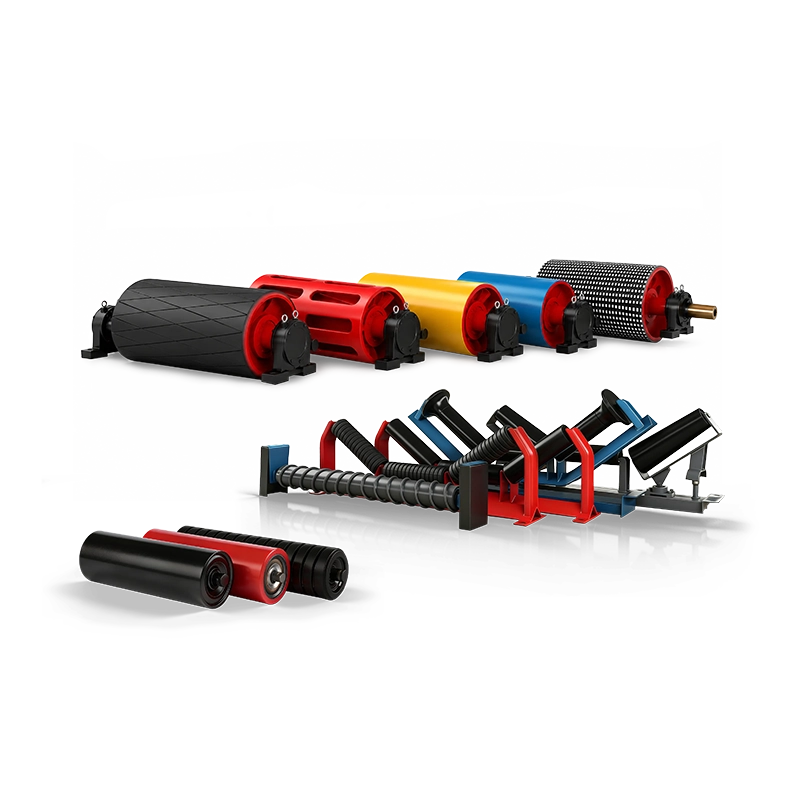
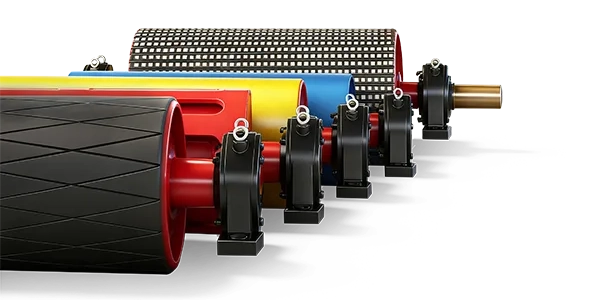
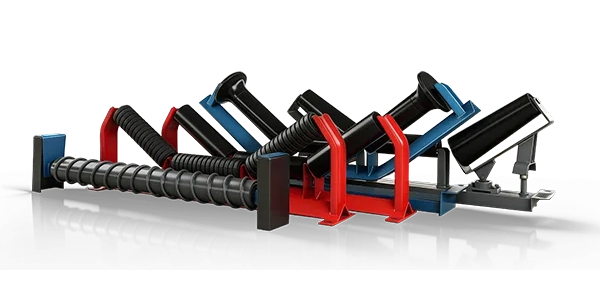
Shengyuan’s conveyor belt product range provides a starting point for discussing replacement and project requirements. The wider product portfolio also includes conveyor rollers and pulleys, allowing these related components to be considered in the same purchasing discussion.
Request a specification-based quotation
Share your current belt datasheet, material details, throughput, pulley dimensions, and photographs of existing damage. Ask for a written proposal identifying the recommended construction, cover requirements, inspection scope, and any information still needed for final confirmation.
Conclusion
A sound mining conveyor belt purchase connects operating conditions to measurable specifications and documented acceptance criteria. Resolve construction, cover performance, compatibility, and delivery differences before comparing prices. The objective is not the thickest belt or the most impressive grade label, but a verifiable match for the conveyor and its actual duty.