


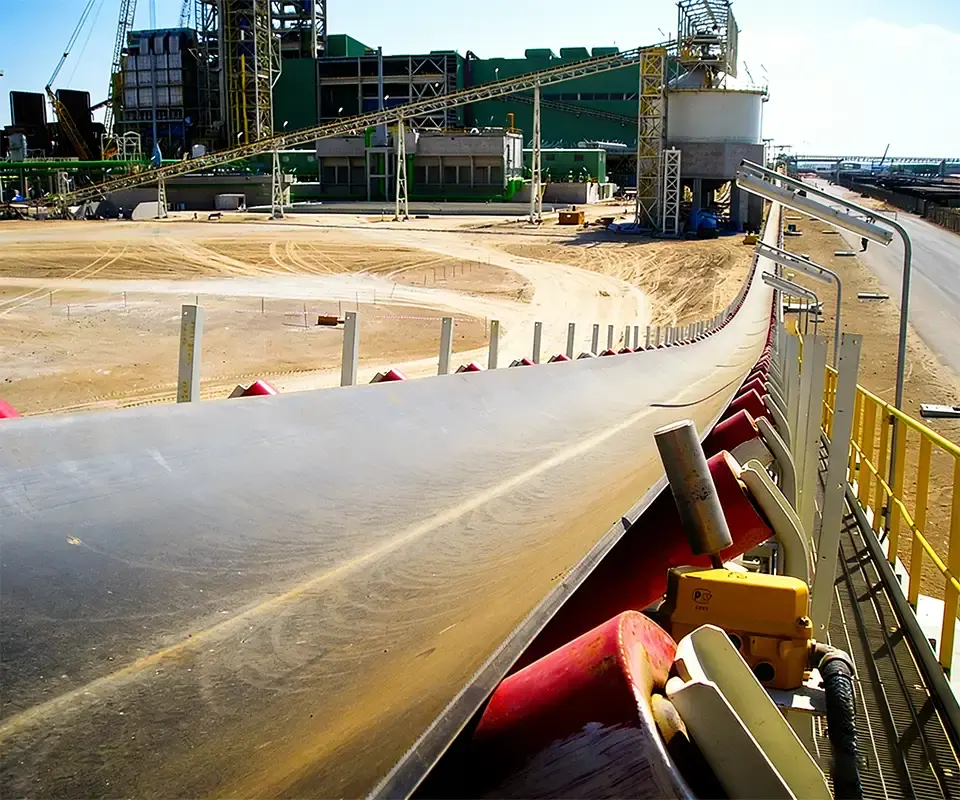

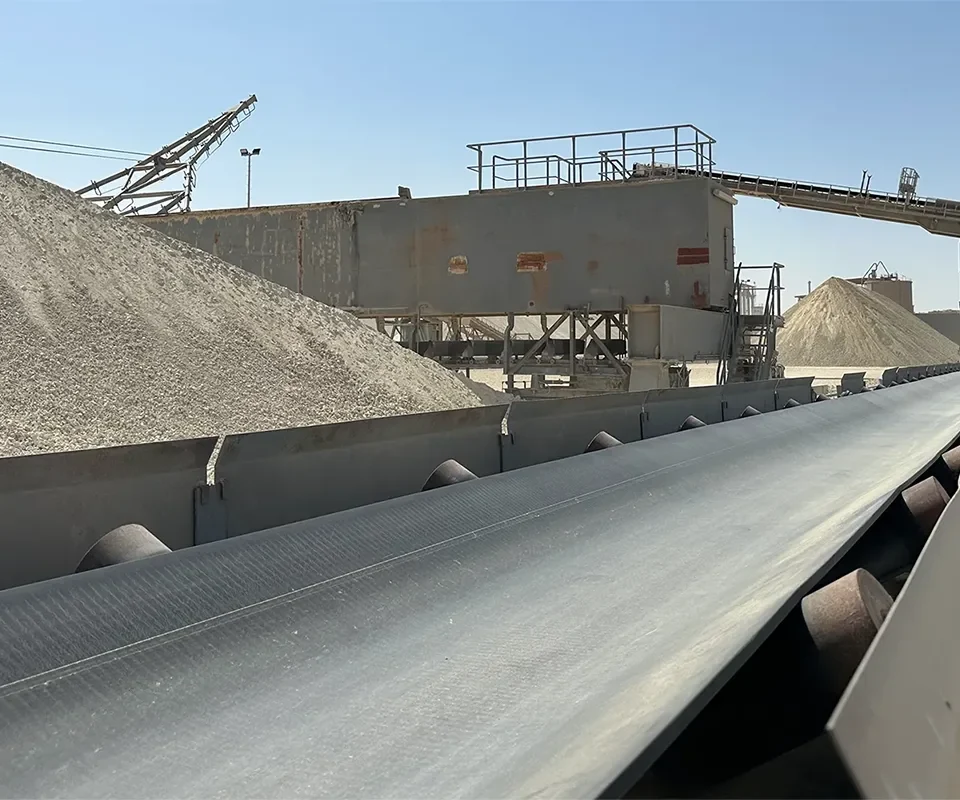
A belt conveyor can move hundreds or thousands of tonnes of material every hour, often over long distances and through areas where workers, mobile equipment, transfer chutes, pulleys, and rotating components are present. For this reason, reliable operation depends not only on the belt, rollers, pulleys, and drive system, but also on a properly designed conveyor safety protection and monitoring system.
Typical protection devices include belt misalignment switches, belt slip or speed monitoring, belt rip protection, overspeed protection, emergency pull-cord switches, chute blockage detection, take-up limit protection, and other monitoring devices selected according to the conveyor’s operating conditions.
These devices do not replace correct mechanical design or routine maintenance. Their purpose is to identify abnormal conditions early, provide alarms, and stop the conveyor when continued operation could damage the belt, pulleys, structure, drive equipment, or create an unsafe situation.
Quick answer: The most common belt conveyor protection devices include belt misalignment switches, slip or speed monitors, belt rip detectors, overspeed protection, and emergency pull-cord switches. Additional protection may include chute blockage switches, take-up limit switches, bearing temperature monitoring, motor overload protection, and fire detection depending on the conveyor duty and local safety requirements.
Why Does a Belt Conveyor Need Safety Protection Devices?
A conveyor can continue moving even after an abnormal condition begins. A belt may gradually mistrack toward the structure, the drive pulley may start slipping, material may block a chute, or a belt tear may continue extending before an operator notices the problem.
On a long mining or bulk-material conveyor, the operator may be hundreds of metres away from the location where the fault occurs. Automatic monitoring therefore provides an important layer of protection.
A well-designed protection system generally performs three functions:
Detect: identify abnormal belt movement, speed, blockage, mechanical condition, or emergency activation.
Alarm: inform operators before the fault becomes more serious where appropriate.
Stop: shut down the conveyor when continued operation could damage equipment or create an unsafe condition.
Main Belt Conveyor Safety Devices at a Glance
| Protection Device | Monitors | Main Purpose |
| Belt Misalignment Switch | Lateral belt deviation | Prevent belt-edge and structural damage |
| Slip / Speed Monitor | Difference between pulley and belt speed | Detect drive slip or abnormal belt speed |
| Belt Rip Protection | Belt tearing or abnormal belt damage | Limit propagation of serious belt damage |
| Overspeed Protection | Excessive belt or pulley speed | Protect conveyor and drive system from uncontrolled speed |
| Emergency Pull Cord | Manual emergency activation | Allow rapid shutdown from along the conveyor |
| Chute Blockage Switch | Material accumulation in transfer points | Prevent chute overflow and conveyor overloading |
1. Belt Misalignment Switches
Belt mistracking is one of the most common operating problems in belt conveyors. When the belt moves away from its intended centerline, the edge may contact the conveyor structure, frames, guards, or other equipment.
A belt misalignment switch is positioned near the belt edge. If the belt moves laterally beyond the permitted position, it contacts or activates the switch.
A practical reference arrangement is to install switches on both sides of the conveyor or at locations requiring monitoring. On long conveyors, pairs may be positioned at approximately 30–40 m intervals, depending on the conveyor layout and risk assessment.
Alarm and Stop Levels
One practical reference is to provide an alarm when lateral belt deviation reaches approximately 5% of the belt width, and an alarm plus conveyor stop when deviation reaches approximately 10% of the belt width.
Important: The 5% alarm and 10% stop values are useful engineering reference points, not universal legal requirements. Actual switch positions and trip settings should follow the conveyor design, site risk assessment, equipment manufacturer instructions, and applicable local safety regulations.
A misalignment switch detects the consequence of tracking problems, but it does not correct the root cause. If repeated alarms occur, operators should inspect loading alignment, conveyor pulley alignment, idler frames, seized rollers, carryback, belt tension, and the belt splice.
2. Belt Slip and Speed Monitoring
The drive pulley must transfer torque to the conveyor belt through friction. Under normal conditions, the linear speed of the drive pulley surface and the belt should correspond closely.
A slip monitoring device detects an abnormal difference between drive pulley speed and belt speed. If the difference exceeds the permitted value, the control system can generate an alarm and, depending on the conveyor arrangement, initiate corrective action or stop the conveyor.
What Causes Conveyor Belt Slip?
Common factors include insufficient belt tension, worn or contaminated pulley lagging, wet operating conditions, inadequate wrap angle, excessive conveyor loading, or problems with the take-up system.
Slip monitoring should therefore be considered together with the mechanical condition of the drive system. Simply increasing belt tension whenever slip occurs is not always the correct solution because excessive tension increases loads on pulleys, shafts, bearings, and the conveyor belt.
Diagnostic principle: A slip switch tells you that belt and drive speed are no longer behaving normally. The next step is to determine whether the cause is tension, lagging, contamination, wrap angle, loading, or another drive-system problem.
3. Belt Rip and Tear Protection
A belt tear can become one of the most expensive failures in a conveyor system. Sharp metal, large trapped material, damaged chute components, or foreign objects can penetrate the belt and create longitudinal damage while the belt continues running.
The danger is not only the initial puncture. If the conveyor continues moving, a relatively small damaged area can develop into a much longer longitudinal tear.
Belt rip protection is therefore used on conveyors where the consequences of belt tearing are significant. Detection technologies vary according to system design, but the objective is the same: identify abnormal belt damage and stop the conveyor before the tear propagates farther.
Where Is Rip Protection Particularly Valuable?
It is especially relevant around transfer and loading zones where large lumps, foreign objects, or chute components can come into contact with the belt. Long-distance conveyors and high-value belts can also justify more comprehensive tear monitoring because the cost of severe belt damage and downtime can be substantial.
4. Overspeed Protection
Overspeed protection monitors whether the belt or drive system exceeds its permitted operating speed. This can be particularly important on inclined or declining conveyor systems where abnormal drive or braking conditions may allow the conveyor to accelerate beyond its intended speed.
Excessive speed increases dynamic forces and can affect material control at loading and discharge points. It may also create abnormal conditions in pulleys, rollers, braking equipment, and the drive system.
A speed monitoring device can compare the measured speed with the expected operating range. When an unacceptable overspeed condition is detected, the control system can generate a fault signal and initiate shutdown or braking according to the conveyor design.
5. Emergency Pull-Cord Switches
Automatic sensors cannot identify every dangerous situation. Workers inspecting or maintaining a conveyor therefore need a way to stop the equipment quickly when they observe a serious problem.
Emergency pull-cord switches provide manual emergency-stop access along the conveyor route. A cable runs alongside accessible sections of the conveyor and is connected to one or more switches. Pulling the cable activates the emergency circuit and stops the conveyor according to the control-system design.
Typical situations can include a person in danger, unexpected material blockage, major belt damage, a loose mechanical component, or another condition requiring immediate shutdown.
Safety principle: Emergency-stop devices should be accessible, clearly identified, maintained in working condition, and integrated into an appropriate control circuit. Exact placement and design should comply with applicable site and local safety requirements.
6. Chute Blockage Protection
Transfer chutes are another important risk point. Sticky material, oversized lumps, foreign objects, or an overloaded downstream conveyor can cause material to accumulate inside a chute.
If the upstream conveyor continues feeding material into a blocked transfer point, the chute can overflow rapidly. Spillage may bury rollers, load the structure, damage skirt systems, or create hazardous cleanup conditions.
Chute blockage switches or level detectors can provide an alarm or stop the upstream conveyor when abnormal material accumulation is detected.
7. Take-Up Travel Limit Protection
Take-up systems move to compensate for changes in belt length and maintain the required operating tension. Large-travel take-up systems require particular attention because moving equipment operates over a defined travel range.
Limit switches can be used to monitor the ends of the permitted take-up travel. If the pulley or take-up carriage reaches an abnormal limit position, the control system can generate an alarm or stop the conveyor before mechanical travel is exceeded.
Physical guarding should also be provided around moving take-up equipment where required to prevent personnel entering hazardous areas.
8. Bearing Temperature and Condition Monitoring
On critical heavy-duty conveyors, condition monitoring can extend beyond basic belt protection. Bearings on drive pulleys, high-load pulleys, and other important rotating equipment may be monitored for abnormal temperature or vibration.
A rising bearing temperature may indicate lubrication problems, contamination, overload, internal bearing damage, or misalignment. Detecting the trend before complete bearing failure can reduce unplanned downtime.
The level of monitoring should be selected according to equipment criticality. A short quarry conveyor may not require the same instrumentation as a long-distance mine conveyor feeding an entire processing plant.
9. Fire and Smoke Detection for High-Risk Applications
Certain conveyor applications require additional fire protection, particularly where combustible material, enclosed galleries, underground installations, or high-consequence operating environments are involved.
Depending on the site risk assessment, monitoring can include temperature detection, smoke detection, fire detection, or other specialized systems integrated with conveyor shutdown and site emergency procedures.
Fire-protection requirements vary significantly by industry and jurisdiction, so the final arrangement should always follow applicable regulations and project specifications.
Alarm or Immediate Stop: Which Is Better?
Not every abnormal condition needs exactly the same control response. Some conditions can use a two-stage strategy: an early alarm followed by shutdown if the condition becomes more severe.
Belt deviation is a good example. A moderate deviation can provide an early warning so operators can inspect the conveyor. More severe deviation can then trigger shutdown before the belt contacts the structure seriously.
Other faults, such as emergency pull-cord activation or a serious belt-rip signal, may require rapid shutdown rather than a long warning period.
| Condition | Typical Response Principle |
| Moderate belt deviation | Alarm |
| Severe belt deviation | Alarm and stop |
| Abnormal belt slip | Alarm, corrective action, or stop according to control logic |
| Serious belt rip | Rapid conveyor shutdown |
| Emergency pull-cord activation | Emergency stop |
| Chute blockage | Stop upstream material feed where required |
Common Conveyor Protection Mistakes
Mistake 1: Installing Sensors but Ignoring Mechanical Causes
If a belt misalignment switch activates repeatedly, simply resetting the alarm is not a solution. Pulley alignment, idler condition, loading position, belt tension, and buildup should be inspected.
Mistake 2: Using One Trip Setting for Every Conveyor
Conveyors differ in belt width, speed, structure, application, and local safety requirements. Alarm and stop settings should be appropriate for the actual system rather than copied without review.
Mistake 3: Installing Emergency Devices Where Workers Cannot Reach Them
Emergency-stop protection only works effectively when it is accessible and maintained. Pull-cord routing and switch positions should reflect actual access routes and operating areas.
Mistake 4: Never Testing Protection Devices
A sensor that has not been tested may fail when it is needed. Misalignment switches, pull cords, speed sensors, limit switches, and other devices should be included in preventive inspection and functional testing procedures.
A Practical Belt Conveyor Protection Checklist
01. Install belt misalignment monitoring at appropriate conveyor positions.
02. Monitor belt and drive-pulley speed where slip is a significant risk.
03. Evaluate belt-rip protection for high-consequence conveyors.
04. Provide overspeed monitoring where uncontrolled acceleration is possible.
05. Provide accessible emergency-stop or pull-cord protection.
06. Monitor critical transfer chutes for material blockage where required.
07. Protect large-travel take-up systems with limit switches and guarding.
08. Consider bearing temperature or vibration monitoring for critical pulleys.
09. Integrate alarms and shutdown logic with the conveyor control system.
10. Test protection devices regularly and investigate repeated alarms instead of simply resetting them.
Protection Devices Cannot Replace Reliable Conveyor Components
Monitoring systems are most effective when the mechanical conveyor itself is correctly selected and maintained. Poorly aligned pulleys, seized conveyor rollers and idlers, worn lagging, excessive carryback, incorrect take-up tension, and damaged belts can continuously trigger protection devices.
For example, a belt misalignment switch can stop the conveyor before severe belt-edge damage occurs, but correct pulley and idler alignment is still required. A slip monitor can identify abnormal speed difference, but reliable traction still depends on belt tension, pulley wrap, and lagging condition.
Safety monitoring should therefore be considered one part of the complete conveyor system rather than a substitute for correct mechanical engineering.
What Information Is Needed When Planning Conveyor Protection?
Provide: conveyor length and layout;
belt width and belt speed;
drive arrangement and power;
horizontal, inclined, or declining conveyor arrangement;
material type and capacity;
loading and transfer-point positions;
take-up type and travel;
worker access routes;
existing control-system requirements;
applicable project and local safety requirements.
Why Choose SHENGYUAN for Heavy-Duty Conveyor Components?
SHENGYUAN supplies conveyor rollers, idlers, pulleys, belts, cleaners, and related components for mining, quarrying, aggregates, cement, coal handling, ports, steel plants, power stations, and other bulk-material handling applications.
Because many repeated alarms originate from mechanical conveyor problems, component condition should be included when troubleshooting safety-monitoring events. Pulley alignment, roller rotation, belt support, take-up condition, lagging, and material buildup can all affect conveyor behaviour.
Through custom conveyor solutions, replacement rollers, idlers, pulleys, frames, cleaners, and related components can be matched to customer drawings and existing conveyor dimensions.
Experiencing repeated conveyor protection trips?
Provide the conveyor layout, belt width, speed, material, drive arrangement, pulley and idler information, alarm type, fault position, operating condition when the alarm occurs, photos, and drawings. This helps determine whether the fault is caused by the protection device itself or by an underlying mechanical conveyor problem.
Conclusion: Conveyor Safety Requires Detection, Alarm, and Shutdown
A belt conveyor safety system should be designed around the risks created by the actual conveyor. Belt misalignment switches help detect lateral belt movement, while slip monitoring identifies abnormal speed differences between the drive pulley and belt.
Belt-rip protection can reduce the consequences of serious belt damage, overspeed monitoring protects against abnormal conveyor acceleration, and emergency pull cords provide workers with direct access to emergency shutdown. Chute blockage switches, take-up limits, bearing monitoring, and fire detection can provide additional protection where the application requires them.
A practical belt-deviation reference is approximately 5% of belt width for an alarm and 10% for an alarm and shutdown. These values should always be verified against the actual project and applicable safety requirements rather than treated as universal settings.
The objective of conveyor protection is not simply to stop the machine after a failure. A good protection system detects abnormal conditions early enough to prevent a small operating problem from becoming major belt damage, equipment failure, extended downtime, or a personnel safety incident.