
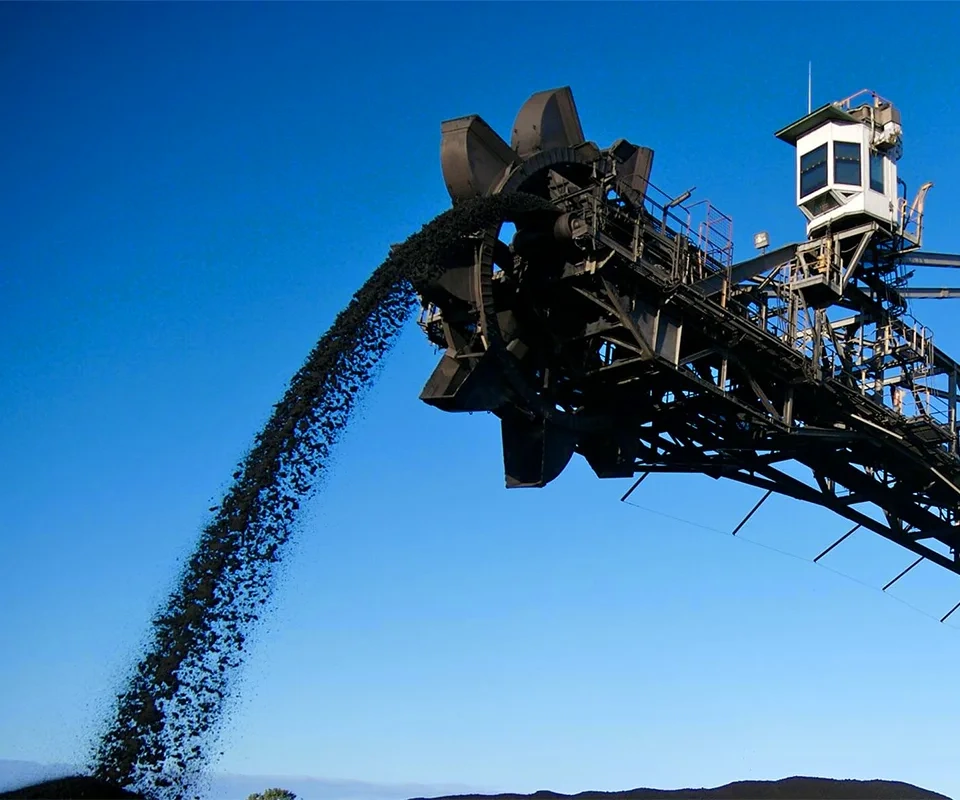
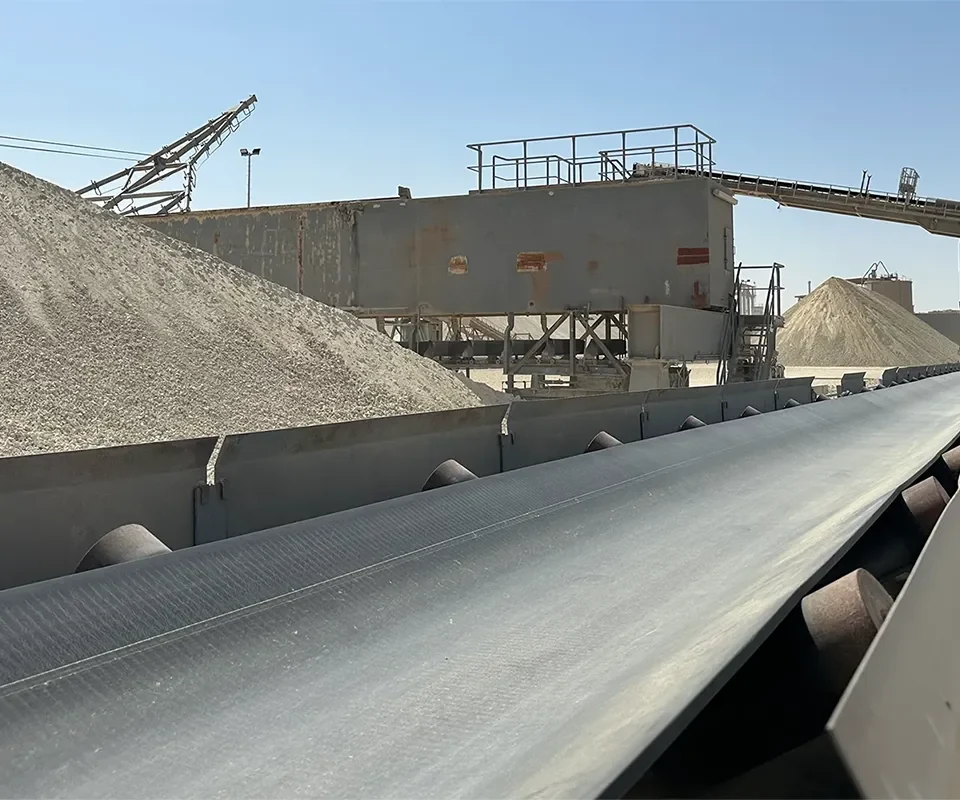
Mining conveyor belts are designed to move large volumes of bulk materials such as coal, ore, overburden, crushed stone, limestone, and mineral concentrates. Compared with general industrial belts, mining conveyor belts must handle heavier loads, longer distances, higher impact, abrasive materials, dust, moisture, and continuous operation. A reliable belt system can improve production efficiency, reduce truck haulage dependence, and support safer material movement.
A mining conveyor belt should be selected according to material type, belt strength, cover grade, belt width, speed, length, lift height, troughing angle, impact zone, temperature, fire safety requirements, and maintenance conditions. It should also match rollers, pulleys, idlers, cleaners, and take-up systems. This guide explains common mining conveyor belt types, basic specifications, and industrial applications.
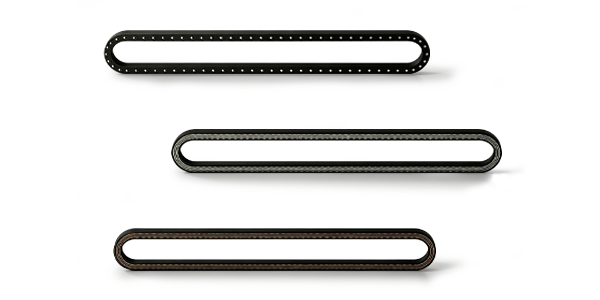
Quick answer: Mining conveyor belts include fabric reinforced belts, steel cord belts, heat-resistant belts, flame-resistant belts, abrasion-resistant belts, and special belts for long-distance, high-tension, or harsh mining applications.
Why Mining Conveyor Belt Selection Matters
In mining operations, a conveyor belt failure can stop material flow and affect the entire production chain. Belt problems may include cover wear, tearing, splice failure, mistracking, slip, impact damage, and excessive elongation. These problems are often connected not only to the belt itself, but also to pulley selection, roller support, loading point design, tension control, and cleaning efficiency.
For long-term reliability, buyers should evaluate the belt and conveyor components as one system. A strong belt may still fail early if rollers are seized, pulleys are misaligned, or loading impact is uncontrolled. A lighter belt may work well in a short auxiliary conveyor but fail in a long high-tension overland conveyor.
Main Types of Mining Conveyor Belts
| Belt Type | Main Feature | Typical Mining Use |
| Fabric Conveyor Belt | Flexible and widely used | Short and medium conveyors |
| Steel Cord Conveyor Belt | High tensile strength | Long-distance and high-capacity conveyors |
| Abrasion-Resistant Belt | Wear-resistant rubber cover | Ore, aggregate, and crushed stone |
| Flame-Resistant Belt | Improved fire safety | Underground coal and regulated sites |
Key Specifications to Review
Mining conveyor belt specifications usually include belt width, tensile strength, number of fabric plies or steel cord rating, top cover thickness, bottom cover thickness, cover grade, belt length, allowable temperature, and splice method. These specifications must match conveyor capacity, material load, lift height, belt speed, and pulley diameter.
Belt width affects carrying capacity. Belt strength affects tension resistance. Cover grade affects wear life. Cover thickness affects durability and cost. Pulley diameter affects belt bending stress. The take-up system must maintain proper tension without overloading the belt or components.
Impact, Loading and Belt Protection
Mining materials are often heavy, sharp, and abrasive. When material falls from a chute onto the belt, impact can damage the belt cover and carcass. Proper loading design should reduce drop height, centralize material flow, and provide enough impact support. Impact rollers, impact beds, chute liners, and skirt sealing all help protect the belt.
If a belt shows repeated damage at the same location, the loading point should be inspected before simply replacing the belt. The cause may be sharp material impact, poor chute design, missing impact support, or off-center feeding.
Rollers, Pulleys and Cleaners in Mining Belt Systems
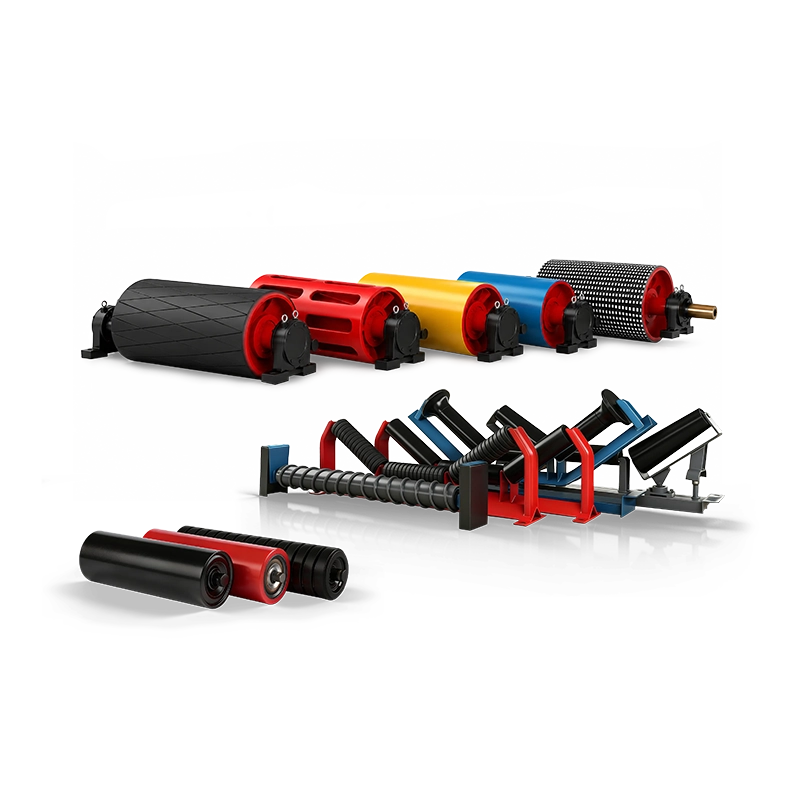
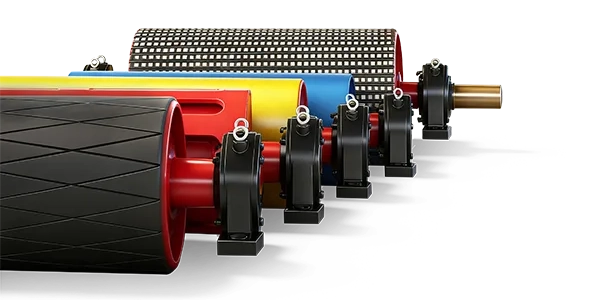
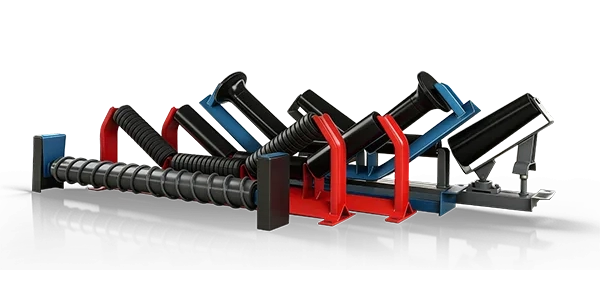
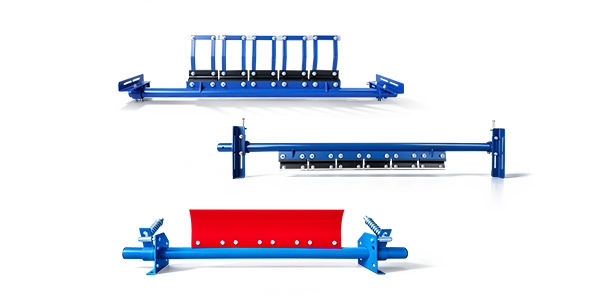
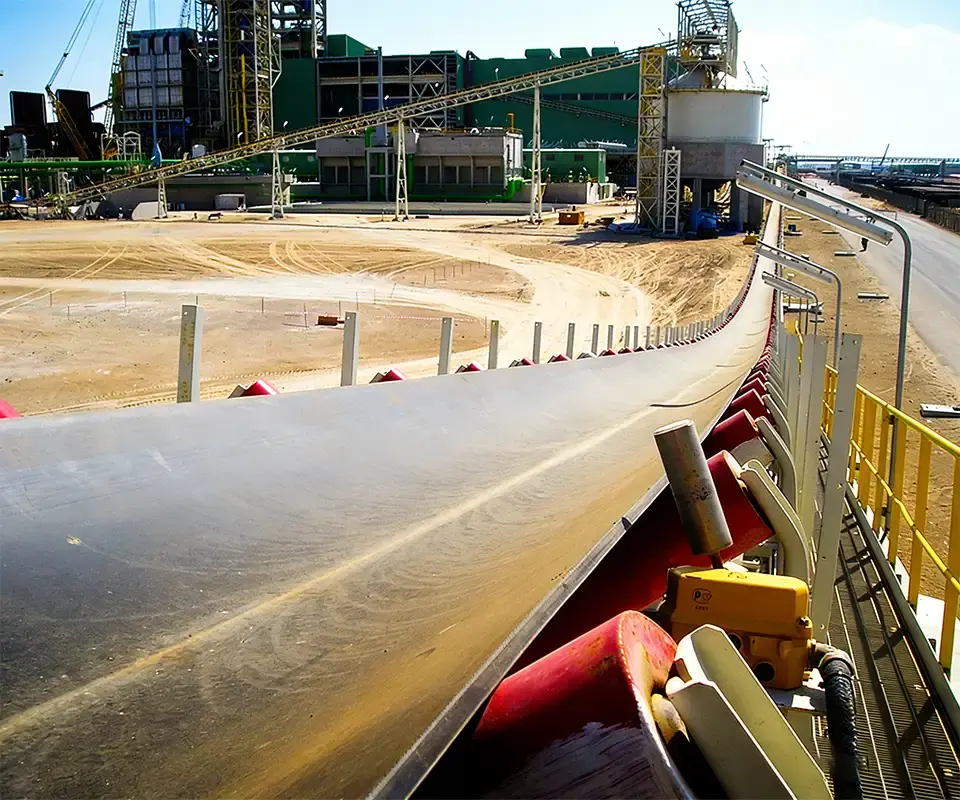
A mining conveyor belt depends on reliable support components. Conveyor rollers support the loaded and return belt. Conveyor pulleys drive, guide, and tension the belt. Belt cleaners reduce carryback and prevent material buildup on return rollers and tail pulleys.
If rollers fail, the belt may drag across a fixed surface. If pulleys are misaligned, the belt may mistrack. If cleaners are ineffective, carryback may contaminate rollers and bearings. For this reason, mining conveyor belt performance should always be evaluated together with conveyor components.
Common Industrial Applications
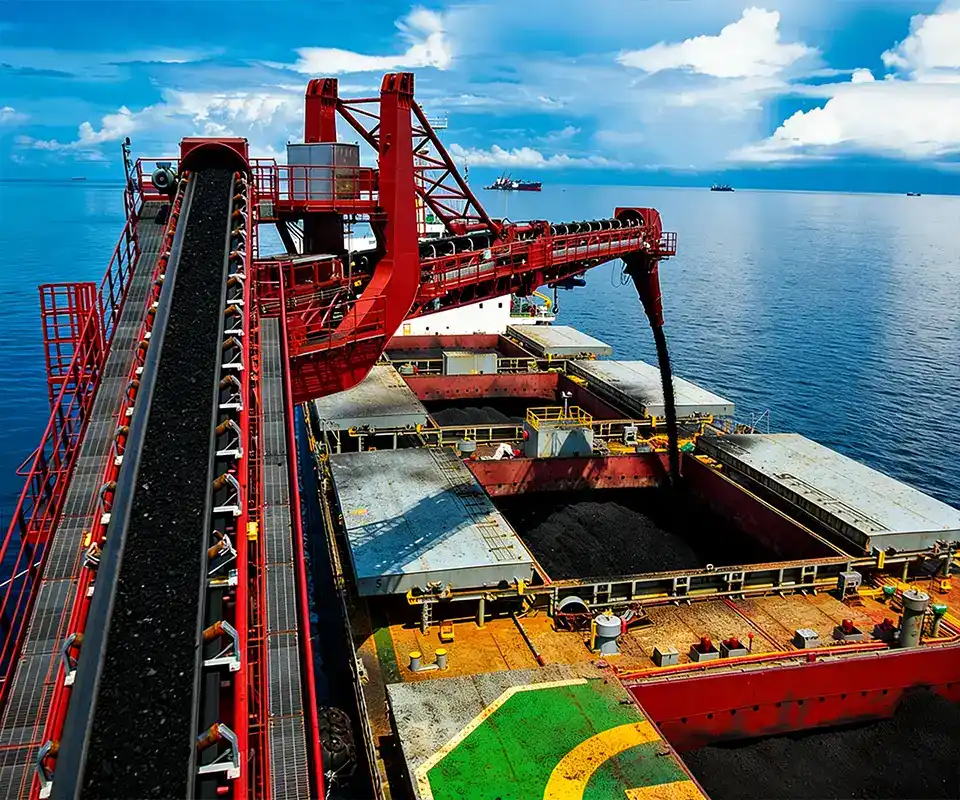
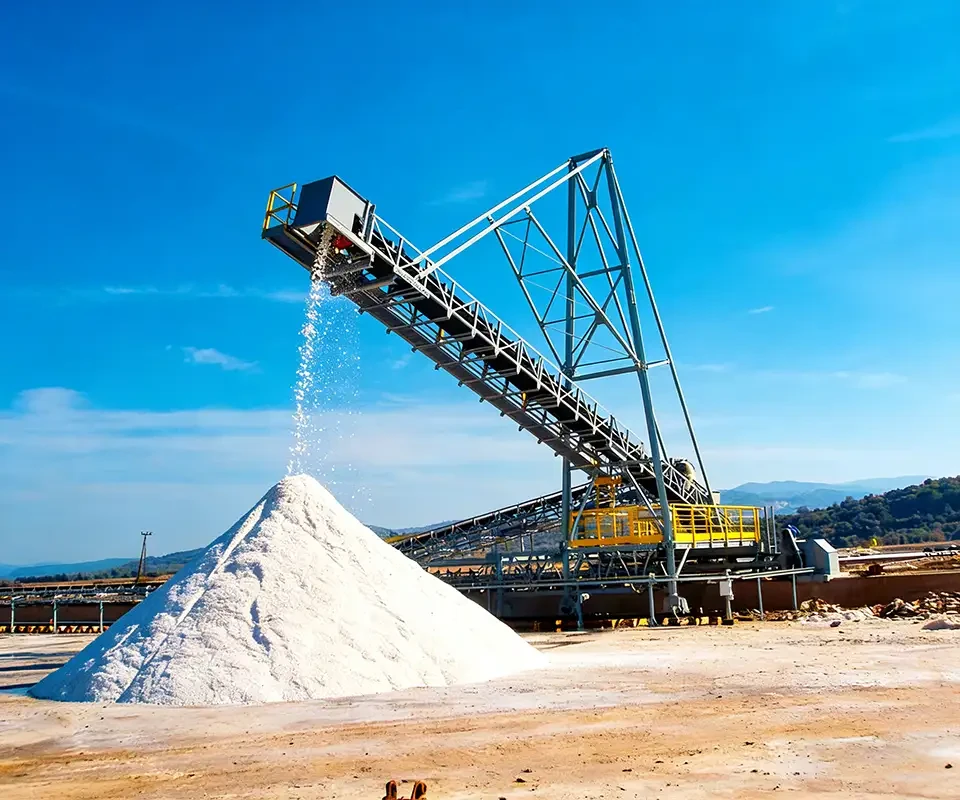
Mining conveyor belts are used in open-pit mines, underground mines, crushing plants, stockyards, processing plants, loading stations, and port export systems. They may transport raw ore from the mining face, crushed stone from crushers, coal to storage yards, or mineral products to processing lines. Long-distance overland conveyors require high strength and careful tension control, while short transfer conveyors require strong impact and abrasion resistance.
For customized conveyor systems, custom conveyor solutions can help match belt selection with rollers, pulleys, idlers, cleaners, and layout requirements. This is important for replacement projects, capacity upgrades, and harsh working conditions.
Working with SHENGYUAN
SHENGYUAN provides conveyor rollers, conveyor pulleys, idler sets, belt cleaners, and related components for mining, coal, cement, ports, steel plants, power plants, aggregates, and bulk material handling systems. For mining belt projects, supporting component quality is critical to belt performance and service life.
When planning international shipments or replacement parts, buyers can review service and logistics support to understand packaging and delivery support for conveyor components.
Conclusion
Mining conveyor belts must be selected according to material load, belt strength, cover grade, impact condition, abrasion level, belt width, speed, pulley diameter, and operating environment. The belt should also match rollers, pulleys, cleaners, idlers, and transfer point design. A reliable mining conveyor belt system is not built from one strong belt alone, but from a complete set of compatible components.
Need conveyor components for mining belts?
Send your belt width, material type, conveyor layout, roller drawings, pulley data, and working environment. SHENGYUAN can help recommend rollers, pulleys, idlers, and cleaners for mining conveyor belt systems.