
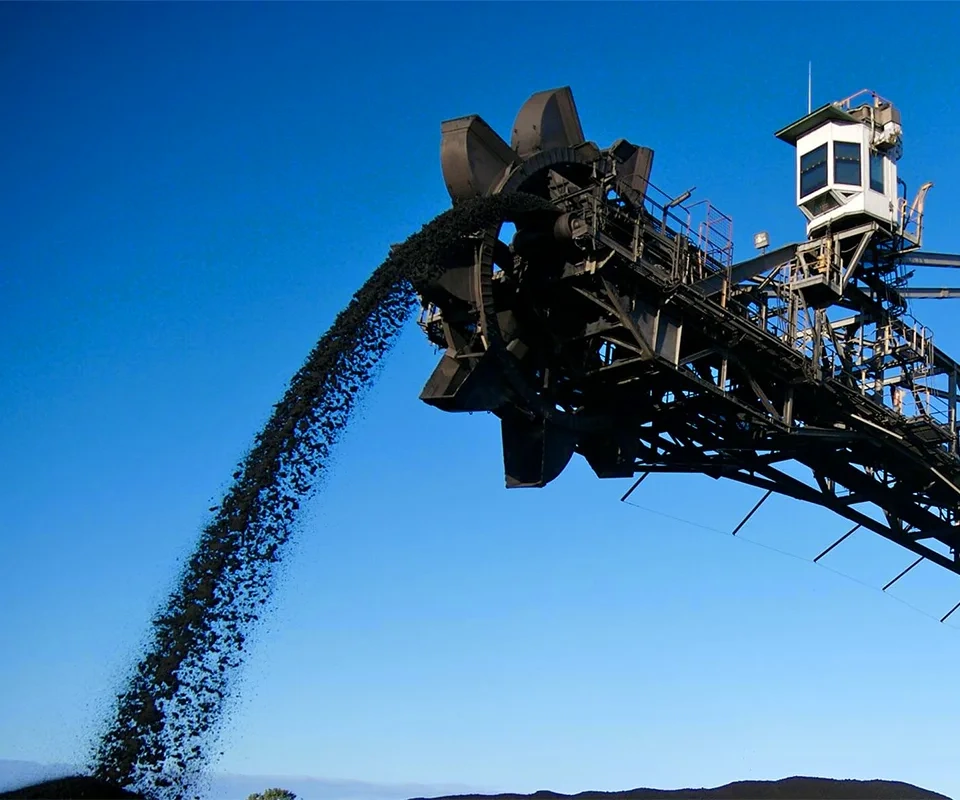
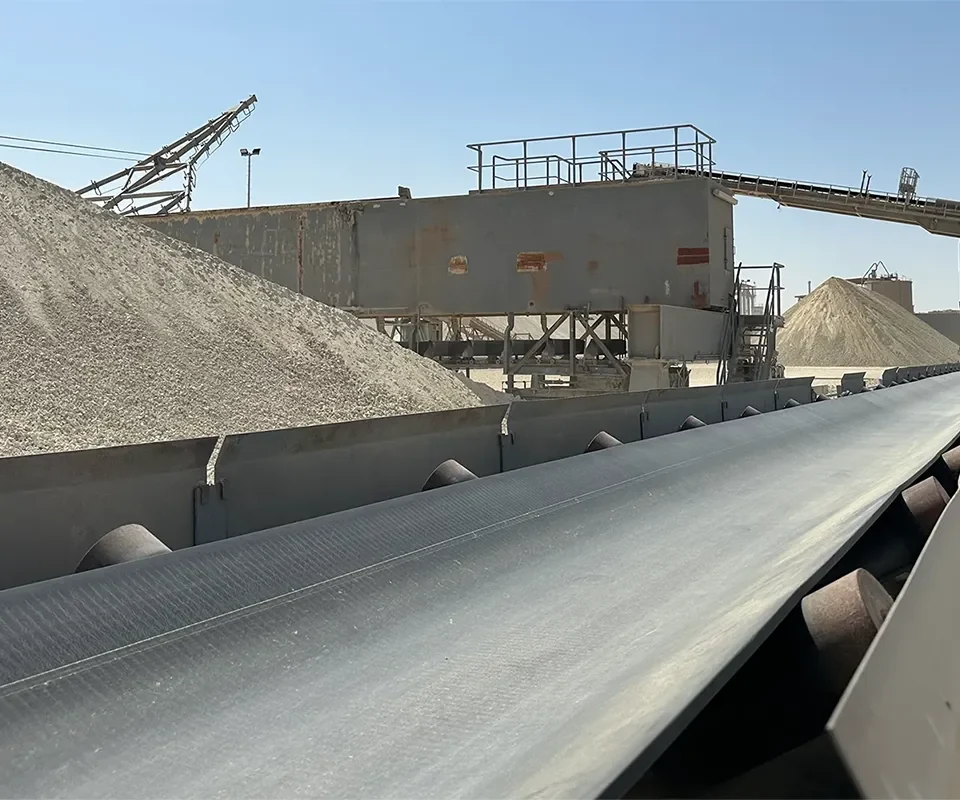
Rubber conveyor belts are the main carrying medium in heavy-duty bulk material handling. They move coal, ore, aggregate, limestone, cement clinker, fertilizer, grain, salt, and many other materials through mines, quarries, cement plants, ports, steel plants, power plants, and industrial facilities. A poorly selected belt can cause frequent repair, spillage, mistracking, premature cover wear, and high downtime cost.
Choosing a rubber conveyor belt requires understanding the material being conveyed, belt strength, cover grade, belt width, belt speed, troughability, impact load, temperature, abrasion level, oil or chemical exposure, and pulley diameter. The right belt must be strong enough for the load, flexible enough for the conveyor layout, and durable enough for the working environment.
Quick answer: To choose rubber conveyor belts for heavy-duty bulk material handling, match belt strength, cover grade, width, thickness, carcass type, temperature resistance, abrasion resistance, and impact performance with the material, conveyor design, and operating environment.
Understand the Material Being Conveyed
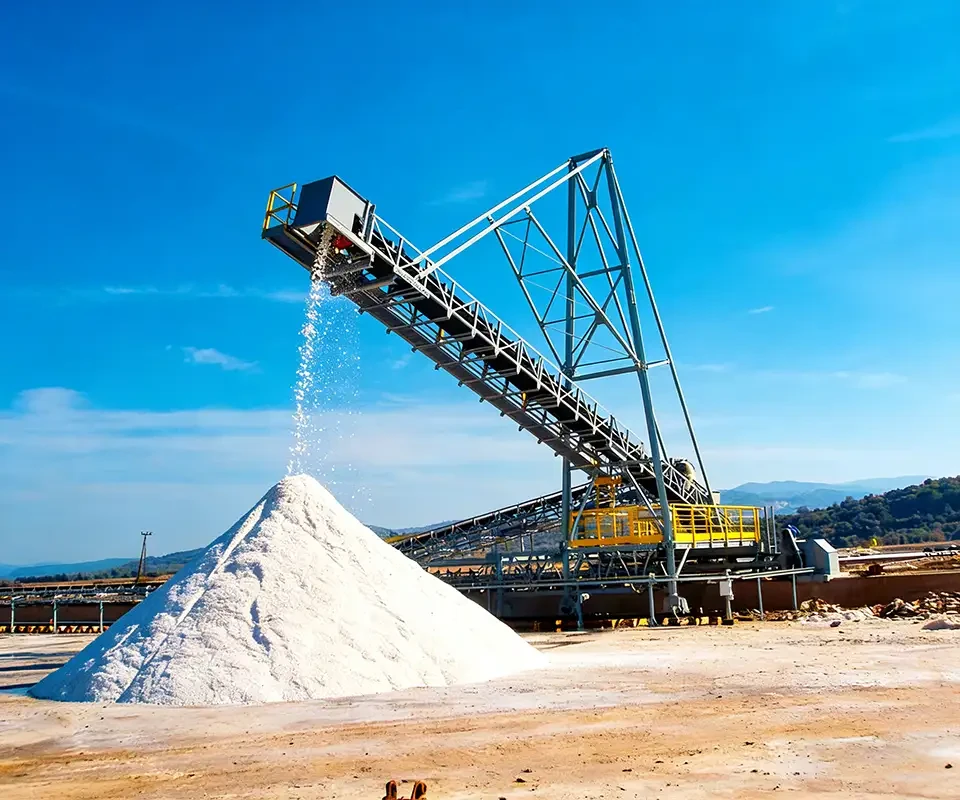
Material characteristics are the starting point for belt selection. Large sharp stones require strong impact and cut resistance. Fine cement powder creates dust and may require good sealing around transfer points. Wet coal and clay may cause carryback and buildup. Hot clinker or high-temperature material requires heat-resistant belt construction. Oily or chemical materials may require special rubber cover properties.
Buyers should confirm material density, lump size, moisture content, temperature, abrasiveness, and feed condition. A belt selected only by width and length may fail early if the conveyed material is more aggressive than expected.
Choose the Correct Belt Strength
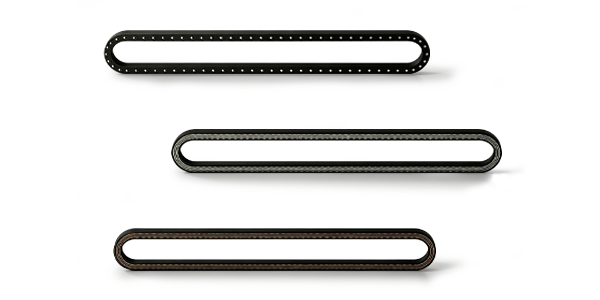
Belt strength is usually related to the carcass, which is the internal reinforcement of the belt. Common belt carcass types include EP fabric belts, NN nylon belts, steel cord belts, and special reinforced structures. EP belts are widely used in many bulk handling applications because they offer good strength and stability. Steel cord belts are used for long-distance, high-tension, and high-capacity conveyors.
The correct strength depends on belt tension, conveyor length, lift height, material load, drive power, and safety factor. If the belt strength is too low, the belt may stretch, tear, or fail at the splice. If it is much higher than needed, the project cost may increase unnecessarily and troughability may be affected.
| Belt Type | Main Advantage | Typical Use |
| EP Fabric Belt | Good strength and stability | General bulk handling |
| NN Nylon Belt | Flexibility and impact absorption | Medium-duty conveyors |
| Steel Cord Belt | High tensile strength | Long-distance and high-tension systems |
Select the Right Cover Grade
The rubber cover protects the belt carcass from abrasion, impact, heat, oil, chemicals, and weather. For stone, ore, aggregate, and clinker, abrasion resistance is important. For sharp materials, cut and gouge resistance should be considered. For hot material, heat-resistant rubber is needed. For oily materials, ordinary rubber may swell or weaken, so oil-resistant covers may be required.
Cover thickness should also match the severity of the application. A thicker top cover may extend service life in abrasive applications, but it also increases belt weight and cost. The bottom cover should protect against pulley contact and return-side wear.
Match Belt Width, Speed and Capacity
Belt width and speed determine conveying capacity together with material density and troughing angle. A belt that is too narrow may overload the carrying area and increase spillage. A belt that runs too fast may increase dust, material bounce, and wear. For heavy-duty conveyors, capacity should be reviewed with the conveyor layout and material flow.
Belt width must also match conveyor rollers, idlers, pulleys, cleaners, skirting, and frame structure. If a replacement belt is selected without checking these components, tracking and loading problems may occur.
Consider Pulleys, Rollers and Cleaning Systems
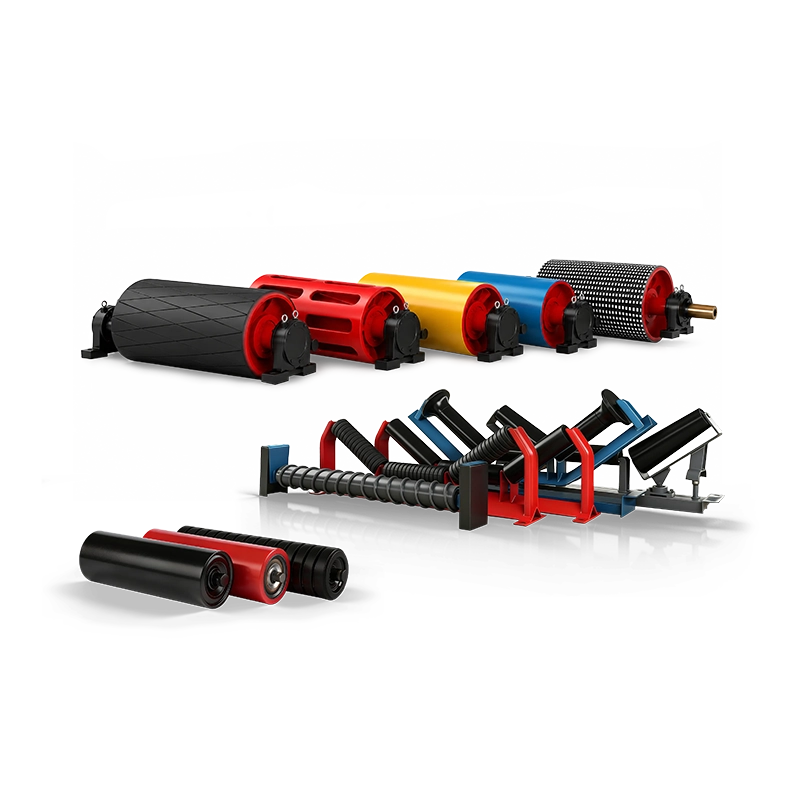
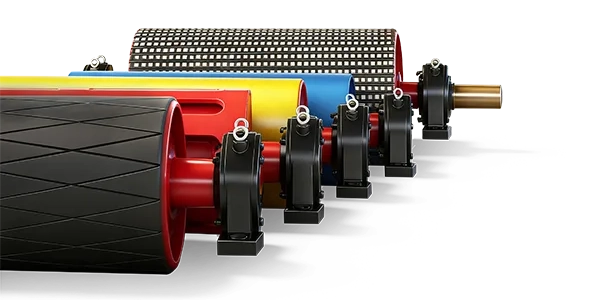
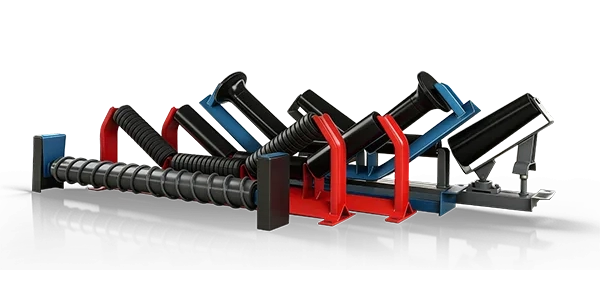
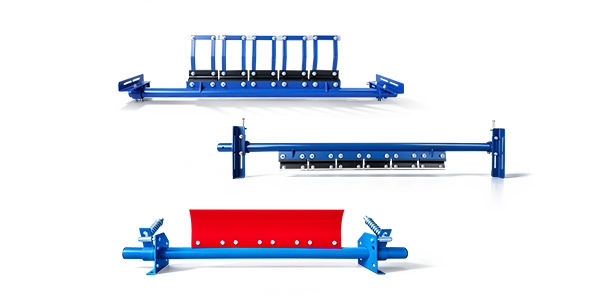
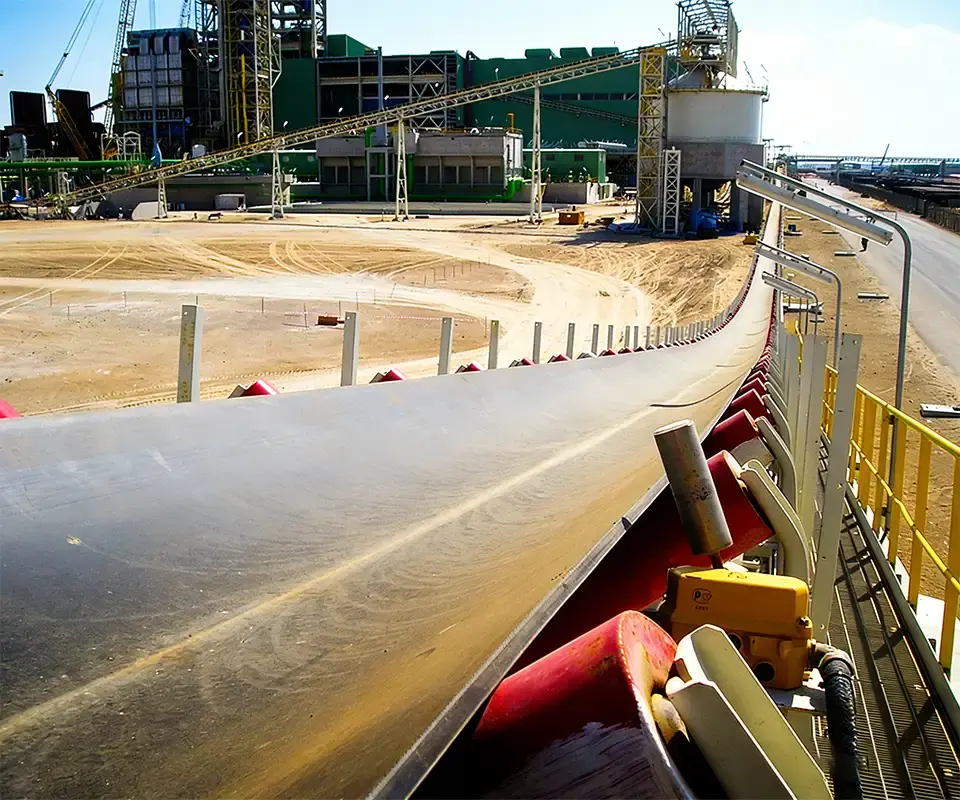
A rubber conveyor belt does not work alone. It must match conveyor rollers, idlers, pulleys, cleaners, and transfer points. A small pulley diameter may create excessive belt bending stress. Poor roller support may cause sagging and spillage. Ineffective belt cleaners may create carryback and return-side buildup.
When choosing a belt, the buyer should also review conveyor pulleys, lagging condition, impact roller support, loading chute design, and belt cleaner performance. The whole system determines belt life.
Industrial Applications
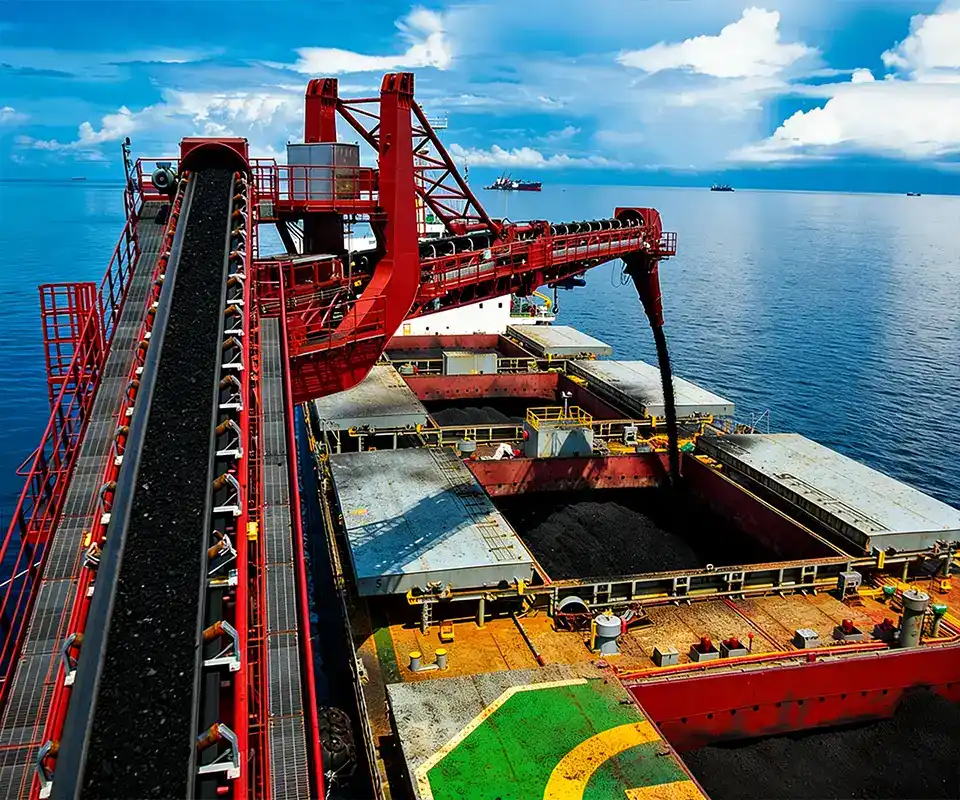
Mining conveyor belts often require high strength, abrasion resistance, and impact protection. Cement plant belts need dust resistance and wear resistance. Port conveyor belts must support high-capacity continuous transfer. Power plant belts often handle coal and must operate reliably for long hours. Steel plant belts may face heat, sharp material, and heavy load.
For special projects, custom conveyor solutions may be needed to match belts with rollers, pulleys, idlers, cleaners, and installation dimensions. This is especially important when replacing old systems or upgrading capacity.
Working with SHENGYUAN
SHENGYUAN supplies conveyor rollers, conveyor pulleys, idler sets, belt cleaners, and related components that support heavy-duty rubber conveyor belt systems. The company serves mining, coal, cement, ports, steel plants, power plants, aggregates, and bulk material handling applications.
Conclusion
Choosing a rubber conveyor belt for heavy-duty bulk material handling requires a full review of material type, belt strength, cover grade, width, speed, pulley diameter, impact load, temperature, abrasion, and working environment. The belt should be selected together with rollers, pulleys, cleaners, and transfer point design to achieve stable long-term performance.
Need components for a rubber belt conveyor?
Send your belt width, material type, conveyor layout, pulley data, roller specifications, and working environment. SHENGYUAN can help recommend supporting rollers, pulleys, idlers, and cleaners for your conveyor system.