
Buying a heat-resistant conveyor belt for clinker is more complicated than choosing a belt for ordinary limestone, coal, or aggregate. The buyer must consider not only the highest clinker temperature but also how long the hot material remains on the belt, how frequently high-temperature loads occur, how much the belt cools between loads, and whether individual clinker lumps are significantly hotter than the average material.
This becomes especially important when clinker loading is intermittent. A conveyor may receive relatively cool material for most of the shift but occasionally experience a short batch of very hot clinker after a cooler upset, process change, or temporary storage discharge. Another conveyor may receive repeated hot batches every few minutes, giving the belt very little time to cool.
These applications should not be specified simply as “heat-resistant conveyor belt for clinker.” A useful purchase specification should define normal temperature, maximum temperature, peak duration, peak frequency, lump size, loading impact, belt speed, operating cycle, abrasion level, and the existing belt failure pattern.
Quick answer: For intermittent clinker loads, select the belt from the complete thermal cycle rather than the peak temperature alone. Tell the supplier the normal clinker temperature, highest credible peak, how long each peak lasts, how often it occurs, belt speed, clinker lump size, loading conditions, and cooling time between hot loads. Then verify the heat-resistant cover compound, carcass, cover thickness, splice, pulley compatibility, and abrasion resistance.
Why Intermittent Clinker Loads Are Different from Continuous Hot Loads
A conveyor carrying hot clinker continuously experiences a relatively steady thermal load. The belt absorbs heat throughout the carrying run and may remain warm on the return run, particularly if the conveyor is enclosed or located in a high-temperature area.
Intermittent loading creates a different temperature cycle. A section of belt may contact hot clinker for a limited period and then travel empty, allowing heat to dissipate before the next load arrives.
This cooling period can reduce accumulated thermal stress, but it does not mean that very high peak temperatures can be ignored. Individual hot lumps can still scorch the top cover, accelerate rubber hardening, damage cover-to-carcass adhesion, or create local cracking.
Important purchasing principle: “Intermittent” is not a belt grade. The supplier needs to know how hot the material becomes, how long the belt is exposed, how frequently the hot load returns, and whether the belt actually has enough time to cool.
1. Measure the Temperature Where Clinker Actually Reaches the Belt
One of the most common specification mistakes is using a process temperature measured somewhere else in the cement plant.
Clinker temperature at the kiln, cooler, storage system, and conveyor loading point can be different. What matters for belt selection is the thermal condition of the material when it actually contacts the conveyor belt.
Take several measurements during normal operation and during known hotter operating periods. Record where and how each temperature was measured rather than sending the supplier only one number.
| Temperature Data | What the Supplier Needs |
| Normal Temperature | Typical clinker temperature during normal conveying |
| Maximum Temperature | Highest credible material temperature reaching the belt |
| Peak Duration | Seconds or minutes that hotter clinker is normally present |
| Peak Frequency | How often hot batches or abnormal peaks occur |
| Measurement Location | Preferably close to the actual loading point |
2. Do Not Buy a Heat-Resistant Belt from the Peak Temperature Alone
A buyer may send an RFQ stating only “maximum clinker temperature 180°C.” That sounds specific, but it still does not define the actual belt duty.
A short exposure to a high-temperature batch followed by a long empty cooling period is different from a deep clinker bed remaining continuously on the belt at a somewhat lower temperature.
The belt supplier should therefore distinguish between continuous operating temperature and short-duration temperature peaks. When comparing quotations, confirm that each supplier is interpreting these conditions in the same way.
This is particularly important because heat-resistant grade names and temperature classifications can vary between manufacturers and specifications. Do not assume that two belts carrying the same T-grade, HR-grade, or commercial name necessarily provide identical performance.
3. Describe the Clinker, Not Just Its Temperature
Clinker is both hot and abrasive. A belt compound that resists thermal aging but performs poorly against abrasion, impact, or cutting may still have a short service life.
Tell the supplier the typical and maximum clinker lump size, proportion of fines, bulk density where available, abrasiveness, and whether unusually large hot lumps sometimes reach the conveyor.
Fine hot clinker can transfer heat efficiently over a large belt-contact area. Large lumps can create concentrated thermal exposure while simultaneously producing impact damage at the loading point.
For a broader explanation of how temperature, material, carcass, and cover grade affect belt selection, see the Rubber Conveyor Belt Selection Guide.
4. Select the Heat-Resistant Cover Compound Carefully
The top cover is the first part of the belt exposed to hot clinker. Ordinary rubber compounds can age rapidly under sustained elevated temperatures, leading to hardening, cracking, loss of elasticity, and reduced adhesion.
Heat-resistant belts use specially formulated compounds designed to retain useful properties under elevated thermal exposure. EPDM-based compounds are commonly used in many higher-temperature conveyor applications, although the exact formulation is manufacturer-specific.
The buyer should ask for the actual performance specification rather than selecting by polymer name alone. A useful quotation should identify the intended continuous and intermittent thermal duty, relevant testing requirements, and the proposed cover construction.
5. Cover Thickness Matters, but Thicker Is Not Automatically Better
A thicker top cover provides additional wear reserve and creates more material between the hot clinker and the reinforcing carcass. This can be valuable in abrasive high-temperature service.
However, simply specifying the thickest available cover is not always the best solution. Increasing overall belt thickness affects flexibility, belt weight, minimum pulley diameter, troughability, splice construction, and cost.
Top and bottom cover thickness should therefore be selected together with heat resistance, abrasion, belt strength, and conveyor geometry.
6. Choose the Carcass from Belt Tension and Mechanical Duty
Heat resistance and belt tensile strength are related but different specifications. The heat-resistant cover protects against thermal exposure, while the carcass carries conveyor tension and provides structural strength.
EP fabric belts are widely used for many cement-plant conveyors because they provide good dimensional stability and practical flexibility. Other carcass constructions may be required for higher tension, longer distances, or specialized conveyor arrangements.
Do not increase carcass rating simply because clinker is hot. Belt strength should be selected from operating tension, conveyor length, lift, drive configuration, loading conditions, and safety requirements.
For an overview of carcass options and belt specifications, see Rubber Conveyor Belt Types and Specifications.
7. Belt Speed Changes the Thermal Exposure
Belt speed affects how long any individual area of belt remains beneath hot clinker and how quickly the belt returns to the loading point.
A faster belt can reduce the contact time of a particular belt section through a short conveying route, but speed should not be increased solely as a heat-control measure. Higher speed can increase impact, dust, material instability, roller speed, and transfer-point wear.
The thermal cycle should be considered together with conveyor center distance, loaded length, return length, operating frequency, and whether the belt runs empty between clinker batches.
The Conveyor Belt Speed Selection Guide explains why speed should be balanced with capacity, lump size, dust, wear, and conveyor components.
8. Check Whether the Belt Really Has Time to Cool
Intermittent operation only provides a thermal advantage if the belt can actually release heat between hot loads.
An open conveyor with a long return run may cool more effectively than a short conveyor enclosed in a hot clinker-handling building. Radiant heat from nearby equipment can also keep the belt warm even when no clinker is present.
Tell the supplier whether the conveyor is open or enclosed, the approximate ambient temperature around the belt, the conveyor length, the typical empty interval, and whether the belt remains hot on the return side.
9. Control Impact at the Clinker Loading Point
Many apparent “heat failures” are actually a combination of heat and mechanical damage.
A hot clinker lump falling from excessive height can damage the top cover and carcass at the same time that it exposes the belt to concentrated heat. Once the cover is cut or gouged, the internal construction becomes more vulnerable.
The loading chute should reduce uncontrolled drop height and guide clinker onto the belt as smoothly as practical. Impact idlers or an appropriate support system should stabilize the belt beneath the loading point.
Loading-point design becomes particularly important when intermittent operation occasionally produces larger or hotter clinker than normal.
10. Check Existing Pulley Diameters Before Buying a Thicker Belt
Changing from a standard belt to a heavier heat-resistant construction can change the overall belt thickness and bending stiffness.
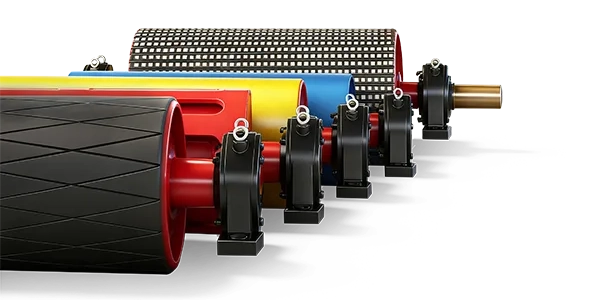
Before approving the replacement, confirm that existing drive, tail, bend, snub, and take-up pulley diameters remain suitable for the proposed belt construction.
Using a belt that is too stiff for the existing pulley arrangement can increase flexing stress and contribute to carcass or splice problems, even if the rubber compound has excellent heat resistance.
11. Specify the Splice for High-Temperature Duty
The belt splice is repeatedly exposed to the same thermal cycle as the rest of the belt. Splice materials and procedures should therefore be compatible with the selected heat-resistant belt construction.
When purchasing a belt, confirm whether the splice will be hot vulcanized, cold bonded, or mechanically fastened and ask the supplier for the recommended method and compatible materials.
Using an unsuitable bonding system can create a weak point even when the belt itself is correctly selected.
12. Use the Old Belt Failure Pattern as Purchasing Data
An old belt can provide valuable information about what the replacement must improve.
| Observed Problem | What to Investigate |
| Cover Hardening | Thermal aging and actual operating temperature |
| Surface Cracking | Heat exposure, aging, flexing and compound suitability |
| Cover Separation | Heat damage, adhesion and carcass condition |
| Deep Gouges | Large lumps, loading impact and abrasion |
| Splice Failure | Splice materials, workmanship, heat and belt tension |
Send photographs of the damaged belt with the RFQ. A supplier can often learn more from the failure location and appearance than from a simple statement such as “belt life is too short.”
Common Buying Mistakes for Intermittent Clinker Conveyors
Mistake 1: Specifying Only the Maximum Temperature
A peak temperature without duration and frequency does not define the thermal duty.
Mistake 2: Treating All Heat-Resistant Grades as Equivalent
Grade terminology and commercial ratings can differ. Compare actual agreed performance and test requirements.
Mistake 3: Ignoring Abrasion Because Heat Seems More Important
Clinker can attack the belt thermally and mechanically at the same time. Both properties matter.
Mistake 4: Assuming Intermittent Operation Automatically Makes a Lower Grade Safe
Cooling time, ambient conditions, material bed depth, peak duration, and repeat frequency determine whether the belt actually recovers between loads.
Mistake 5: Ignoring Existing Conveyor Geometry
A thicker or stronger replacement belt must still work with the pulleys, idlers, take-up, cleaners, and loading zone already installed.
What Should Be Included in a Heat-Resistant Belt RFQ?
Provide: material name and clinker condition;
normal material temperature;
maximum credible temperature;
peak duration and frequency;
temperature measurement location and method;
maximum clinker lump size and fines content;
belt width, speed and length;
required capacity;
conveyor inclination and lift;
loading drop height and impact conditions;
current belt tensile rating and cover thickness;
pulley diameters;
splice method;
operating hours and intermittent loading cycle;
ambient conditions and cooling opportunity;
photos and failure history of the existing belt.
How to Compare Heat-Resistant Conveyor Belt Suppliers
A supplier should ask more than belt width and clinker temperature. For intermittent hot-material applications, the quotation process should include questions about continuous versus peak exposure, loading cycle, cooling time, abrasion, impact, belt tension, pulley diameter, and splice method.
When comparing quotations, check whether suppliers are offering the same carcass rating, cover thickness, heat-resistant compound level, dimensional specification, splice recommendation, and testing basis.
A lower-priced belt is not necessarily economical if the supplier has assumed a lower thermal duty than the actual application.
Buying Heat-Resistant Conveyor Belts from SHENGYUAN
SHENGYUAN supplies conveyor belts and related heavy-duty conveyor components for cement, mining, quarrying, coal handling, ports, power plants, steel plants, and other bulk-material handling applications.
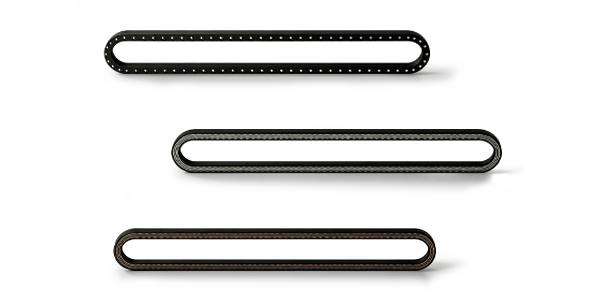
The conveyor belt range includes heat-resistant belts for hot-material applications as well as abrasion-resistant, flame-resistant, oil-resistant, steel-cord, sidewall, chevron, and other conveyor belt constructions.
For intermittent clinker applications, belt selection can be based on the actual operating cycle rather than temperature alone. Belt width, carcass rating, cover thickness, heat exposure, abrasion, lump size, splice method, and existing pulley arrangement should be reviewed together.
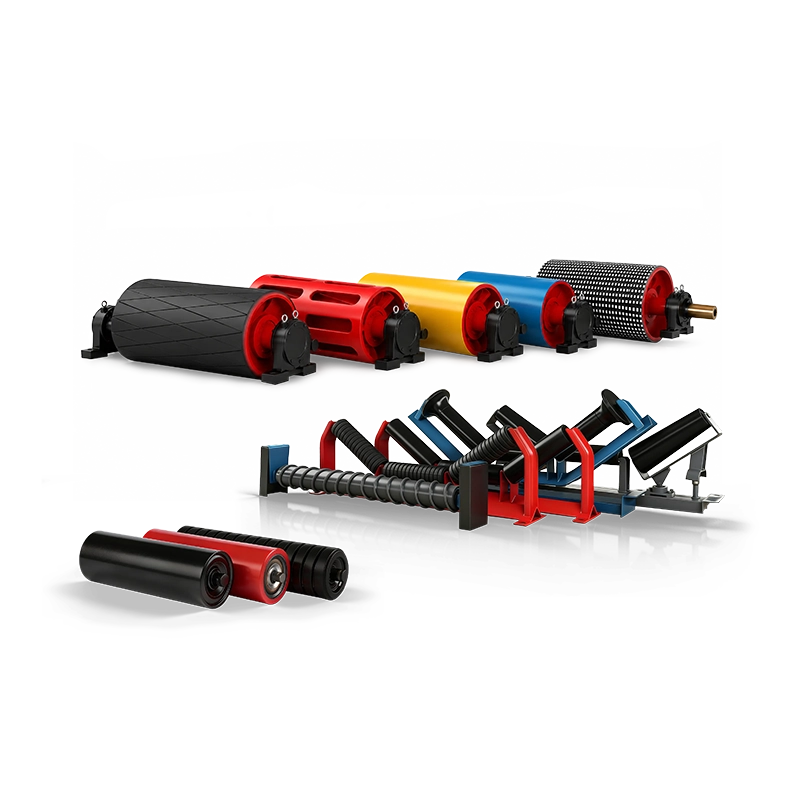
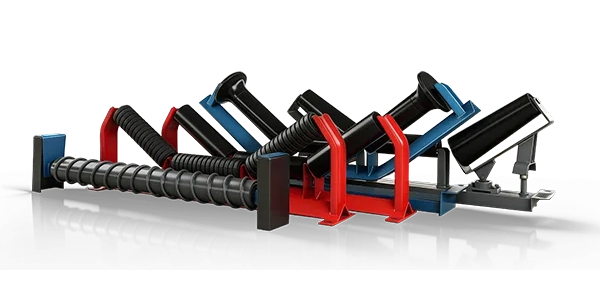
Through custom conveyor solutions, belt requirements can also be coordinated with rollers, idlers, pulleys, cleaners, and other components when an existing clinker conveyor needs upgrading or replacement.
Need a heat-resistant belt for intermittent clinker loads?
Send the normal and maximum clinker temperatures, peak duration and frequency, belt width, belt speed, conveyor length, capacity, lump size, drop height, existing belt specification, pulley diameters, splice method, operating cycle, and photos of any current belt damage. These details provide a much better basis for belt selection than a single temperature value.
Conclusion: Buy for the Thermal Cycle, Not Just the Highest Temperature
Intermittent clinker conveying creates a combination of thermal cycling, abrasion, impact, and mechanical loading. The correct belt must withstand normal operating temperature as well as credible short-duration peaks without sacrificing the mechanical properties required by the conveyor.
Start with reliable temperature measurements at the loading point. Record how long hot loads last and how often they occur. Then evaluate clinker lump size, abrasion, drop height, belt speed, cooling time, carcass strength, cover thickness, pulleys, and splice design.
Existing failure patterns should also be used as purchasing information. Hardening and cracking suggest a different problem from deep impact gouges, splice separation, or abnormal bottom-cover wear.
The best heat-resistant conveyor belt for intermittent clinker is not automatically the belt with the highest temperature number. It is the belt whose thermal resistance, abrasion resistance, carcass, cover thickness, and flexibility match the actual temperature cycle and conveyor system.