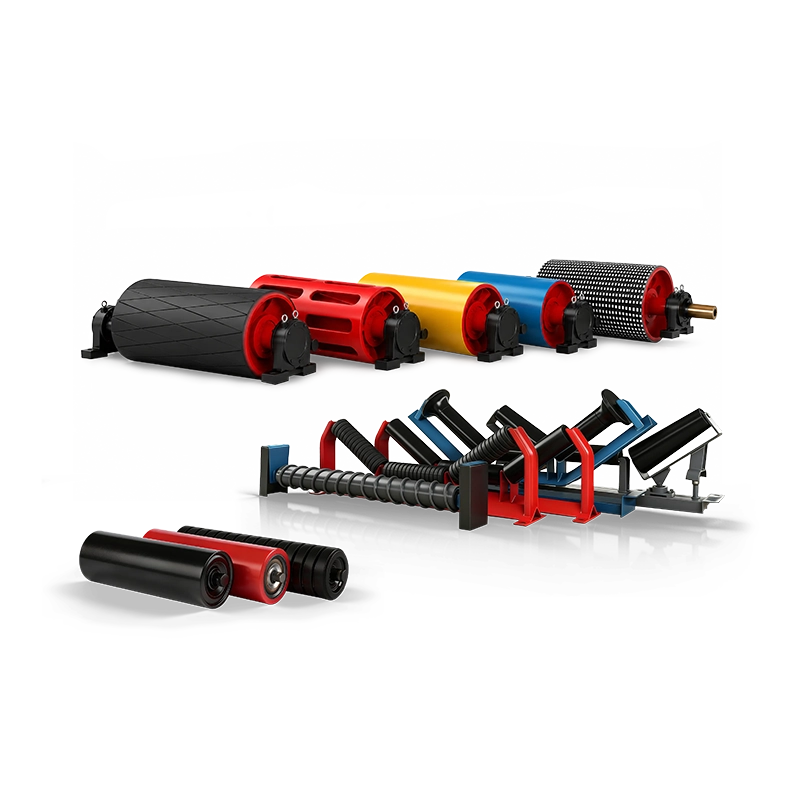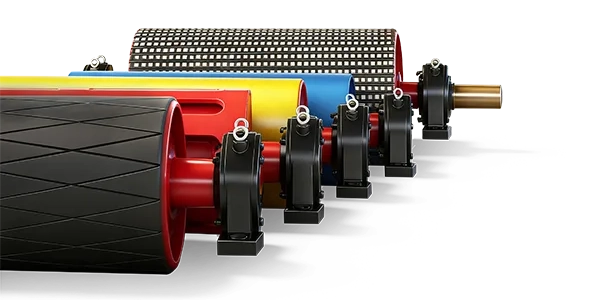






The price of a custom conveyor pulley can vary significantly even when two pulleys have the same nominal diameter and face width. For mining, quarrying, cement, coal handling, ports, power plants, and other bulk-material applications, a conveyor pulley is an engineered mechanical assembly rather than a simple steel drum.
Its manufacturing cost depends on multiple factors, including steel material, pulley dimensions, shell thickness, shaft design, hub construction, bearings, lagging, machining accuracy, welding requirements, balancing, quality inspection, and production quantity. International freight and packaging can further influence the final purchasing cost.
This explains why two manufacturers may provide very different quotations for what initially appears to be the same conveyor pulley. One supplier may quote a complete heavy-duty assembly with bearings, keyless locking devices, rubber lagging, and inspection reports, while another may quote only the fabricated pulley body and shaft.
For procurement teams, understanding the main cost drivers, specification differences, manufacturing requirements, and total delivered cost is essential for comparing quotations fairly and avoiding unnecessary expenditure.
Quick answer: The price of a custom conveyor pulley is mainly influenced by pulley diameter and face width, steel grade and weight, shell and end-disc construction, shaft and hub design, bearing requirements, lagging type, machining complexity, inspection requirements, and order quantity. Heavy-duty drive pulleys typically require more engineering and manufacturing work than simpler pulley configurations of comparable dimensions. For an accurate quotation, provide complete drawings, belt tension, drive torque, operating speed, connection details, required accessories, and delivery terms.
Why Do Custom Conveyor Pulley Prices Vary?
Custom conveyor pulleys are manufactured to match specific conveyor loads, dimensions, and installation interfaces. Unlike standard catalog components, their design and production requirements can vary from one project to another.
A pulley used on a relatively light-duty transfer conveyor may require a simpler construction than a high-tension mining drive pulley. Even when the external dimensions match, the heavier-duty pulley may require a stronger shaft, thicker shell, reinforced end discs, specialized hubs, larger bearings, and additional inspection.
The first step in understanding conveyor pulley pricing is therefore to compare the complete technical specification rather than the pulley name or external size alone.
For an overview of different pulley functions, see the Conveyor Pulleys Guide: Types, Selection Factors and Applications.
1. Pulley Diameter and Face Width
Pulley diameter and face width are two of the most visible factors affecting manufacturing cost.
Increasing pulley diameter generally increases the amount of material required for the shell and end-disc assembly. Larger diameters may also require different forming, welding, machining, and handling equipment.
Increasing face width adds shell material and can affect structural loading, end-disc design, shaft bending, and machining requirements.
For example, a pulley with a 600 mm diameter and 1200 mm face width will not necessarily cost the same as an 800 mm diameter pulley with the same face width. However, price differences cannot be calculated accurately from diameter alone because shell thickness, shaft construction, and load requirements may also change.
Important: Larger dimensions often increase cost, but the relationship is not always proportional. The complete mechanical design determines the actual material and manufacturing requirements.
2. Steel Grade, Shell Thickness and Total Material Weight
Steel material is a major part of the manufacturing cost of many conveyor pulleys.
The required steel grade depends on pulley loading, structural design, fabrication method, and project requirements. Carbon structural steels are widely used, while selected applications may require higher-strength steels, alloy steels, or corrosion-resistant materials.
Shell thickness also influences material consumption. A thicker shell generally requires more steel, but it should not be selected simply to make the pulley appear stronger.
The shell, end discs, hubs, weld connections, and shaft must be designed as an integrated assembly. Increasing one component’s thickness without proper engineering may add cost without providing a proportional improvement in reliability.
Procurement principle: Compare the specified steel grades, shell thickness, end-disc construction, and estimated pulley weight. A heavier pulley is not automatically better, and a lighter pulley is not automatically under-designed. Both should be evaluated against the required loads and approved engineering design.
3. Shaft Diameter, Material and Machining Complexity
The pulley shaft can represent a substantial part of the manufacturing cost, especially on heavy-duty drive pulleys.
A shaft must withstand bending loads generated by belt tension and, where applicable, torsional loads from the conveyor drive. Its required diameter depends on the actual load case, bearing positions, hub locations, and shaft geometry.
Larger shaft diameters generally increase steel consumption and machining time. Higher-strength material grades, special heat treatment, and additional inspections may further increase costs.
Complex stepped shafts may also require multiple precision bearing journals, coupling interfaces, shoulders, grooves, threaded features, or keyways. These operations can cost more than machining a simpler shaft of similar overall length.
For a detailed explanation of shaft interfaces and manufacturing requirements, see the Conveyor Pulley Shaft and Hub Procurement Guide.
4. Hub Design and Shaft Connection Method
The hub connects the pulley body to the shaft and transfers the required mechanical loads. Different connection methods have different manufacturing and purchasing costs.
| Connection Type | Cost Consideration | Technical Consideration |
| Keyed Hub | Keyway machining and hub fitting | Torque capacity, fit, and shaft fatigue |
| Keyless Locking Assembly | Purchased locking elements and precision mating surfaces | Clamping capacity, surface condition, assembly procedure |
| Shrink-Fit Hub | Precision interference fits and controlled assembly | Contact stress, thermal assembly, disassembly planning |
| Specialized Hub Arrangement | Custom machining, proprietary components, engineering review | Replacement compatibility and long-term maintenance |
Keyless locking assemblies may increase the initial component cost compared with some keyed arrangements, although the overall cost difference depends on hub machining, shaft geometry, assembly, and maintenance requirements.
The lowest-cost connection should not be selected without evaluating torque capacity, shaft strength, and installation compatibility.
5. Pulley Type and Operating Load
The function of the pulley significantly affects the required construction and therefore its price.
Drive pulleys transmit mechanical power and must support the resulting combination of torque and belt tension. They may require heavier shafts, more demanding hubs, traction lagging, and additional engineering verification.
Tail, bend, snub, and take-up pulleys often have different torque requirements, although high belt tension can still create substantial bending and bearing loads.
| Pulley Type | Main Cost Drivers |
| Drive Pulley | Torque, shaft strength, hub connection, lagging, precision |
| Tail Pulley | Belt tension, shell design, contamination protection, bearings |
| Bend or Snub Pulley | Radial load, diameter, shaft geometry, installation space |
| Take-Up Pulley | Operating tension, shaft and bearing loading, mounting interfaces |
| Self-Cleaning or Wing Pulley | Special fabrication, structural geometry, balancing, material discharge |
These are cost-driving characteristics, not fixed price rankings. A large high-tension bend pulley can cost more than a smaller drive pulley, depending on the complete specifications.
6. Rubber, Ceramic and Polyurethane Lagging
Pulley lagging is another important factor affecting the price of a custom conveyor pulley.
A plain steel pulley may require only the specified surface preparation and coating. A rubber-lagged pulley requires additional material, surface preparation, bonding or vulcanizing operations, and quality inspection.
Plain rubber, diamond-grooved rubber, herringbone rubber, ceramic lagging, and polyurethane lagging can have different material and manufacturing costs.
Ceramic lagging may involve higher material and installation costs than conventional rubber lagging, depending on the ceramic configuration and manufacturing method. It can be justified in certain demanding traction and wear applications but is not automatically necessary for every pulley.
Buyers should specify lagging material, thickness, hardness where relevant, groove pattern, bonding method, and operating environment. A quotation stating only “rubber lagging included” may not provide enough information for a fair comparison.
7. Bearings, Bearing Housings and Sealing Arrangements
Bearing-related components can materially change the final price of a pulley assembly.
Some quotations include the pulley shell, end discs, hubs, and shaft but exclude bearings and bearing housings. Other suppliers quote a complete assembled pulley with bearings, housings, seals, and related accessories.
Bearing type, size, load rating, manufacturer, housing construction, sealing arrangement, and lubrication requirements all influence cost.
Mining and other dusty or wet environments may require additional protection against contamination. Higher initial bearing and sealing costs can be justified where they reduce the risk of premature failure, but the selected components must match the calculated loads and operating conditions.
Always confirm whether the quoted price includes bearings, housings, seals, and associated mounting components.
8. Welding, Machining and Manufacturing Precision
Manufacturing labor and machine time also affect custom conveyor pulley pricing.
Fabricating a pulley may involve steel cutting, plate forming, machining, end-disc preparation, hub fabrication, welding, shaft machining, assembly, and final inspection.
Larger or more complex pulleys may require additional manufacturing operations and specialized equipment. Precision bearing seats, hub bores, shaft journals, and assembled runout requirements can increase machining and inspection time.
Welding requirements also vary. Heavily loaded pulleys may require more demanding weld details, controlled procedures, or specified examination.
However, manufacturing precision should be linked to functional requirements. Unnecessarily tight tolerances on noncritical surfaces can increase the price without improving pulley performance.
9. Dynamic Balancing and Quality Inspection
Testing and inspection can influence manufacturing cost, particularly for critical-service pulleys.
Inspection may include dimensional verification, material documentation, weld examination, shaft inspection, assembled runout checks, lagging inspection, and balancing.
Dynamic balancing can involve additional setup, equipment, labor, and documented testing. The required balancing method and acceptance criteria should reflect pulley speed, construction, operating duty, and project requirements.
Similarly, ultrasonic, magnetic-particle, or other nondestructive examinations may be specified for selected components or welds. Their scope and acceptance criteria should be defined in advance.
A quotation including a complete inspection and test plan may be higher than one providing only basic dimensional checks. The additional cost should be evaluated in relation to project risk and contractual requirements.
10. Surface Treatment and Corrosion Protection
Surface treatment affects both the initial price and the suitability of the pulley for its operating environment.
A pulley operating in a dry indoor plant may have different coating requirements from one installed at a coastal bulk terminal, wet mine, chemical facility, or outdoor coal-handling station.
Additional blast cleaning, coating layers, specified paint systems, surface preparation, and quality checks can increase manufacturing cost.
Buyers should identify the exposure conditions and required coating specification rather than requesting the most expensive corrosion-protection system by default.
11. Custom Drawings, Engineering and Design Verification
Engineering work can also affect the price of custom conveyor pulleys.
If the buyer supplies complete approved manufacturing drawings and load data, the supplier may require less design-development work than for a project starting with only approximate dimensions.
Projects with missing shaft dimensions, unusual hubs, nonstandard bearing arrangements, or incomplete load information may require additional measurement, engineering calculations, drawing revisions, and approval cycles.
For critical applications, specific structural calculations or finite-element analysis may be requested. Such requirements should be agreed upon as part of the quotation scope.
Providing accurate original drawings and verified operating data can reduce unnecessary quotation revisions and production delays.
12. Order Quantity and Production Efficiency
Production quantity can influence the unit price of custom conveyor pulleys.
A single custom pulley may require individual drawing review, manufacturing preparation, machine setup, inspection preparation, and packaging. When multiple identical pulleys are ordered, some of these activities may be shared across the production batch.
This can reduce unit manufacturing cost, although the actual saving depends on design complexity, material requirements, and manufacturing capacity.
Ordering several different pulley designs is not necessarily equivalent to ordering the same quantity of identical pulleys.
For facilities operating multiple conveyors, standardizing compatible shaft interfaces, bearing arrangements, and pulley configurations can sometimes improve spare-parts purchasing efficiency without compromising technical requirements.
13. Manufacturing Lead Time and Urgent Orders
Delivery schedules can affect purchasing cost, particularly when a replacement pulley is required for an emergency shutdown.
An urgent order may require expedited material procurement, additional production shifts, schedule changes, priority inspection, or faster transportation. These arrangements can introduce additional cost where they are available.
Standard planned orders usually provide more flexibility for production and shipping arrangements.
For mining operations and other critical conveyors, identifying replacement needs early can therefore reduce the risk of expensive emergency procurement.
14. Export Packaging, Freight and Delivery Terms
For international buyers, the supplier’s factory quotation is not always the final cost of receiving the pulley at the project site.
Large conveyor pulleys are heavy industrial products. Packaging, lifting arrangements, transport dimensions, and shipping methods can significantly influence the delivered price.
Cost considerations may include export crating or transport frames, corrosion protection during shipment, local handling, inland trucking, sea freight, cargo insurance, customs clearance, import duties, taxes, and final delivery.
A pulley that fits normal transport equipment may be less expensive to ship than an oversized assembly requiring special handling or transport arrangements.
Always compare quotations under clearly defined Incoterms and named delivery locations. An EXW quotation cannot be compared directly with a delivered-to-site quotation without accounting for the additional costs and responsibilities.
15. Material Prices, Exchange Rates and Quotation Validity
Conveyor pulley prices can also change over time because of raw-material costs, purchased components, freight conditions, and currency movements.
Steel prices and the costs of bearings, lagging materials, or specialized locking assemblies may change between quotation and purchase order confirmation.
For international orders, the quoted currency and payment terms can also affect the buyer’s final expenditure.
A professional quotation should identify the currency, validity period, included components, delivery conditions, and relevant commercial assumptions.
How to Compare Two Custom Conveyor Pulley Quotations
The most effective comparison is a specification-by-specification review. Before selecting the lowest-priced supplier, confirm that both quotations cover equivalent technical and commercial requirements.
| Comparison Item | What to Check | Why It Matters |
| Pulley Dimensions | Diameter, face width, shaft length | Material usage and installation fit |
| Structural Construction | Shell thickness, steel grade, end-disc design | Strength, weight, manufacturing cost |
| Shaft and Hubs | Material, dimensions, locking method | Torque capacity, machining, serviceability |
| Lagging | Material, thickness, pattern, bonding | Traction, wear and added manufacturing work |
| Bearings | Included or excluded, model and housings | Complete equipment cost |
| Inspection | Balancing, NDT, runout, documentation | Verification scope and quality assurance |
| Delivery | Production time, packing, Incoterms | Schedule and landed cost |
If one quotation is significantly cheaper, ask whether the difference comes from manufacturing efficiency, material selection, component exclusions, design changes, or inspection scope.
The lower price may be competitive and technically acceptable, but it should be supported by a clear and complete specification.
How to Reduce Custom Conveyor Pulley Costs Without Reducing Reliability
Reducing procurement costs should focus on eliminating unnecessary work and uncertainty rather than weakening critical components.
1. Provide complete engineering data. Clear drawings and load information reduce quotation revisions and manufacturing uncertainty.
2. Avoid unnecessary over-specification. Select shaft sizes, shell thickness, materials, and tolerances from actual engineering requirements.
3. Standardize compatible components. Common bearings, hubs, and interfaces may simplify purchasing and spare-parts management.
4. Order planned replacements early. Avoid urgent production and transportation wherever possible.
5. Combine suitable orders. Repeated designs and consolidated shipments may improve production and logistics efficiency.
6. Compare complete quotations. Include bearings, lagging, inspection, shipping, and installation-related costs when evaluating suppliers.
Purchase Price vs Total Cost of Ownership
The lowest initial pulley price does not always produce the lowest long-term cost.
For critical mining and industrial conveyors, the total cost of ownership includes the pulley purchase price, freight, installation, maintenance, replacement components, potential belt damage, and downtime caused by failures.
An inadequately designed shaft, unsuitable bearing arrangement, or poorly applied lagging can create costs that exceed the initial purchasing saving.
Conversely, purchasing unnecessarily expensive materials or specialized lagging without a technical requirement may increase capital cost without providing useful operating benefits.
The most economical pulley is one that meets the actual operating requirements with appropriate manufacturing quality, maintainability, and service reliability.
What Information Is Needed for an Accurate Custom Pulley Price?
A manufacturer can provide a more accurate quotation when the RFQ includes the complete operating and dimensional requirements.
| RFQ Category | Required Information |
| Pulley Type | Drive, tail, bend, snub, take-up, self-cleaning, or other design |
| Main Dimensions | Diameter, face width, belt width, overall shaft length |
| Operating Loads | Belt tensions, wrap angle, speed, power, torque, startup conditions |
| Construction | Steel grade, shell thickness, end discs, shaft, hub design |
| Connection and Bearings | Keyway, locking assembly, bearing model, housing arrangement |
| Surface Treatment | Plain steel, rubber or ceramic lagging, coatings, environmental requirements |
| Quality Requirements | Drawings, tolerances, inspection reports, balancing, required examinations |
| Commercial Requirements | Quantity, delivery date, destination, Incoterms, packaging |
For replacement projects, original drawings and photographs are especially useful. If complete drawings are unavailable, provide measured dimensions, bearing and coupling information, and operating conditions so the manufacturer can identify missing details before pricing.
Common Mistakes When Comparing Custom Pulley Prices
Mistake 1: Comparing Only Diameter and Face Width
Two pulleys with identical external dimensions may have different shaft, shell, hub, and bearing specifications.
Mistake 2: Ignoring the Included Components
A lower quotation may exclude bearings, locking assemblies, lagging, or other necessary accessories.
Mistake 3: Selecting the Thickest Shell Without Calculations
Additional material increases cost and weight but may not be necessary for the actual operating loads.
Mistake 4: Ignoring Manufacturing and Inspection Requirements
Poor dimensional control and incomplete inspection can create installation delays or reliability problems.
Mistake 5: Comparing Different Delivery Terms
Factory prices, port-delivered prices, and site-delivered prices include different costs and responsibilities.
Mistake 6: Focusing Only on the Lowest Initial Price
Premature failure, belt damage, maintenance labor, and unplanned shutdowns can make an initially cheaper pulley more expensive over its service life.
Custom Conveyor Pulley Manufacturing and Quotations from SHENGYUAN
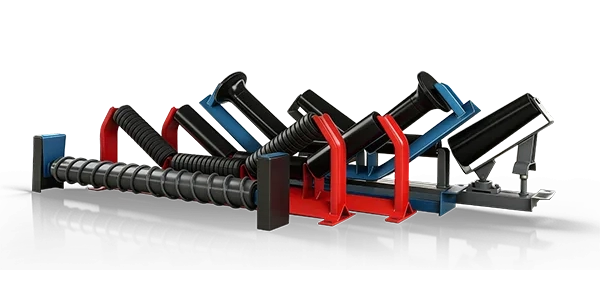
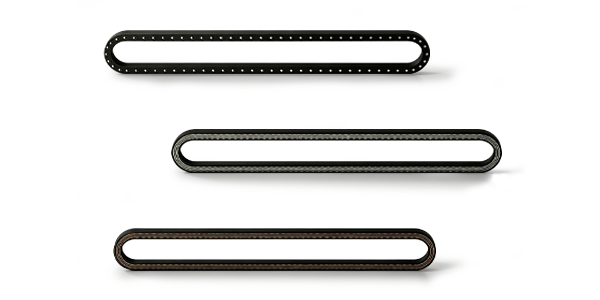
SHENGYUAN supplies conveyor pulleys, rollers, idlers, conveyor belts, belt cleaners, and related components for mining, quarrying, cement, coal handling, ports, power generation, steel production, and other bulk-material handling industries.
The SWCONS conveyor pulley range includes drive pulleys, bend pulleys, take-up pulleys, snub pulleys, and specialized pulley configurations for different operating conditions.
For custom projects, specifications can be coordinated around pulley diameter, face width, belt tension, shaft construction, hub connection, bearing arrangement, lagging type, and mounting requirements.
Through custom conveyor solutions, pulley requirements can be reviewed using customer drawings, existing equipment dimensions, and project operating data.
International buyers can also coordinate packaging and shipment requirements through customer service and logistics support.
Need a quotation for a custom conveyor pulley?
Send the pulley type, diameter, face width, shaft dimensions, bearing requirements, belt tension, drive power or torque, lagging specification, drawings, quantity, delivery location, and required delivery date. For replacement pulleys, include existing equipment photographs and mounting-interface details. A complete specification helps establish a more accurate price and reduces the risk of unexpected changes after order confirmation.
Conclusion: Compare Engineering Value, Not Just Pulley Price
The price of a custom conveyor pulley depends on a combination of material consumption, mechanical design, manufacturing complexity, purchased components, quality requirements, and delivery conditions.
Diameter, face width, shell thickness, steel grade, shaft construction, hub connection, lagging, bearings, inspection, and quantity all contribute to the final quotation. Different suppliers may also include different accessories and services in their stated prices.
Buyers can improve cost control by providing complete operating data, avoiding unnecessary over-specification, confirming the exact quotation scope, and planning production and delivery requirements early.
The best-value custom conveyor pulley is not necessarily the cheapest or the heaviest. It is the pulley that meets the required mechanical loads, fits the existing conveyor, provides appropriate quality assurance, and achieves reliable operation at a reasonable total cost.