
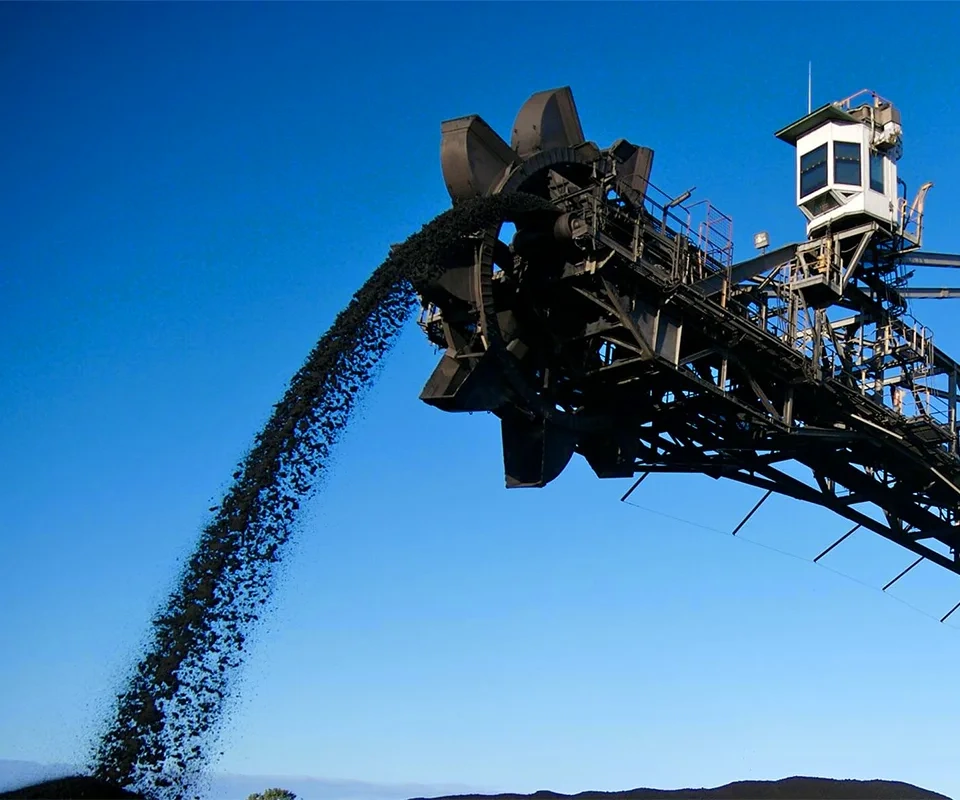
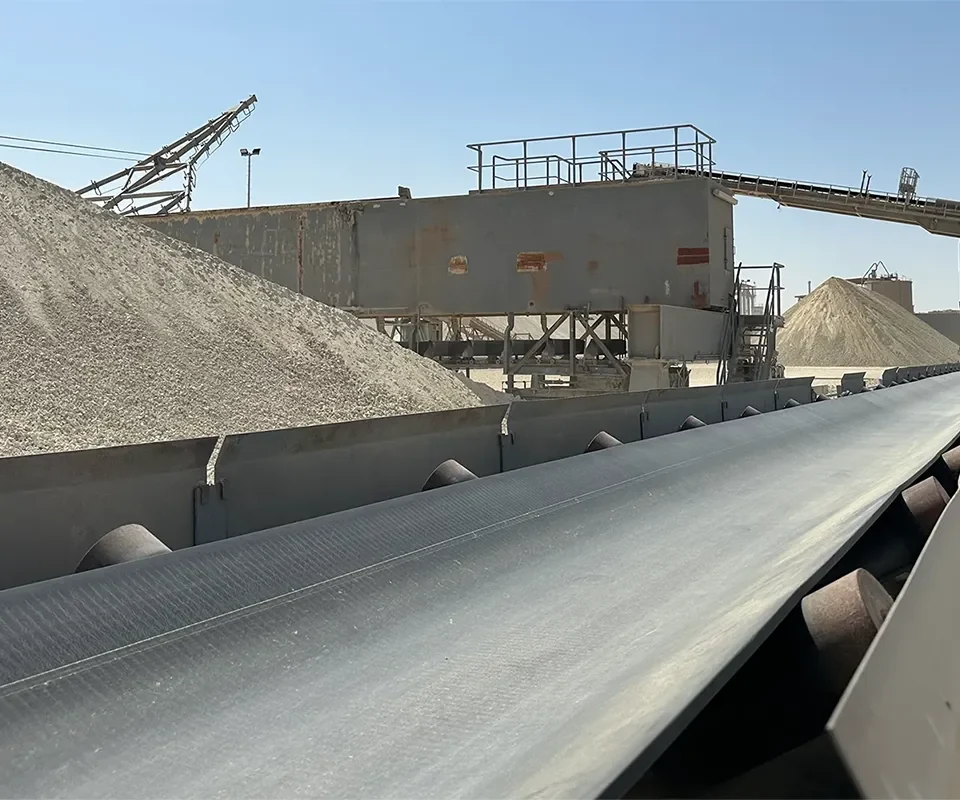

How to Choose Conveyor Belt Speed: Is Faster Always Better?
“Should we simply run the conveyor faster to increase capacity?” This is one of the most common questions asked when

Access practical conveyor guides, product selection advice, specification explanations, installation tips, troubleshooting methods, and maintenance best practices. Learn how to choose and operate rollers, pulleys, idlers, belts, and related components for reliable bulk material handling.
“Should we simply run the conveyor faster to increase capacity?” This is one of the most common questions asked when
One of the most common questions in bulk material handling is: “I need to transport a certain number of tons
Maximum lump size is one of the first parameters that should be checked when selecting the belt width of a
A belt conveyor can transport far more than coal or crushed stone. With the correct belt construction, cover compound,
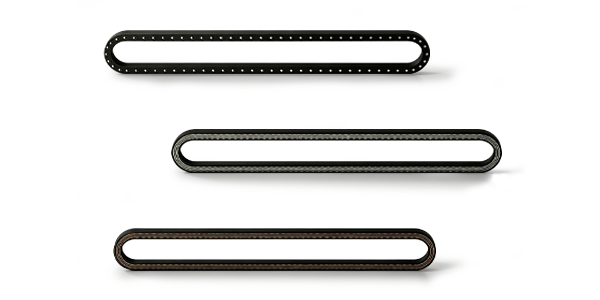
Rubber conveyor belts are the main carrying medium in many heavy-duty bulk material handling systems. They transport coal, ore, limestone,
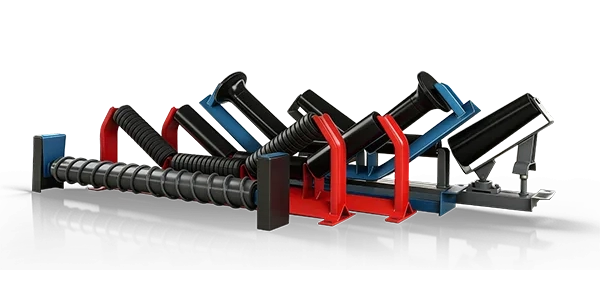
Belt conveyor idlers support the belt, carry the material load, maintain the required belt profile, and help the conveyor operate
The drive pulley is the point where motor power becomes belt movement. In a heavy-duty conveyor, it must transmit substantial

Mining conveyor belts work under some of the most demanding conditions in bulk material handling. They transport ore, coal, limestone,

Mining conveyor belts are designed to move large volumes of bulk materials such as coal, ore, overburden, crushed stone, limestone,

Rubber conveyor belts are the main carrying medium in heavy-duty bulk material handling. They move coal, ore, aggregate, limestone, cement

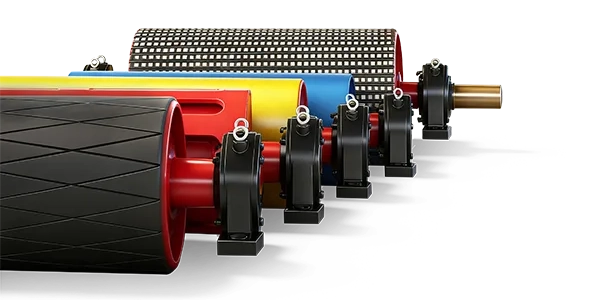
Drive pulleys are among the most important components in belt conveyor systems because they transfer motor power to the conveyor

Conveyor pulleys are critical components in heavy-duty belt conveyor systems. They drive the belt, change its direction, maintain tension, increase