
A belt conveyor can transport far more than coal or crushed stone. With the correct belt construction, cover compound, loading arrangement and safety controls, it can move dry bulk solids, packaged goods and many difficult industrial materials efficiently over short or long distances. The important question is therefore not simply whether a belt conveyor can carry a material, but what design is required to carry that material safely, reliably and economically.
For many general bulk-handling projects, a material bulk density of approximately 500 to 2,500 kg/m³ is a useful preliminary reference range. However, density alone does not determine suitability. Lump size, temperature, abrasiveness, moisture, oil content, corrosiveness, dust generation, flow behavior and fire risk can change the required belt, rollers, pulleys, cleaners and enclosure. This guide explains the common materials handled by belt conveyors and the information buyers should review before selecting a system.
Quick answer: Belt conveyors are widely suitable for coal, ore, sand, gravel, crushed stone, cement raw materials, clinker, grain, fertilizer, salt, sugar, packaged goods and many chemical bulk solids. The conveyor must be engineered around the actual material properties and operating environment.
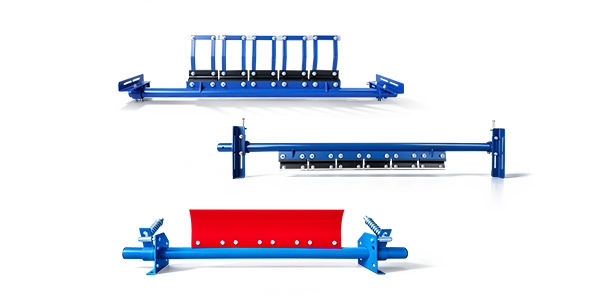
Mining & Coal
Coal, iron ore, copper ore, bauxite and overburden.
Aggregate & Quarry
Sand, gravel, limestone, granite and crushed stone.
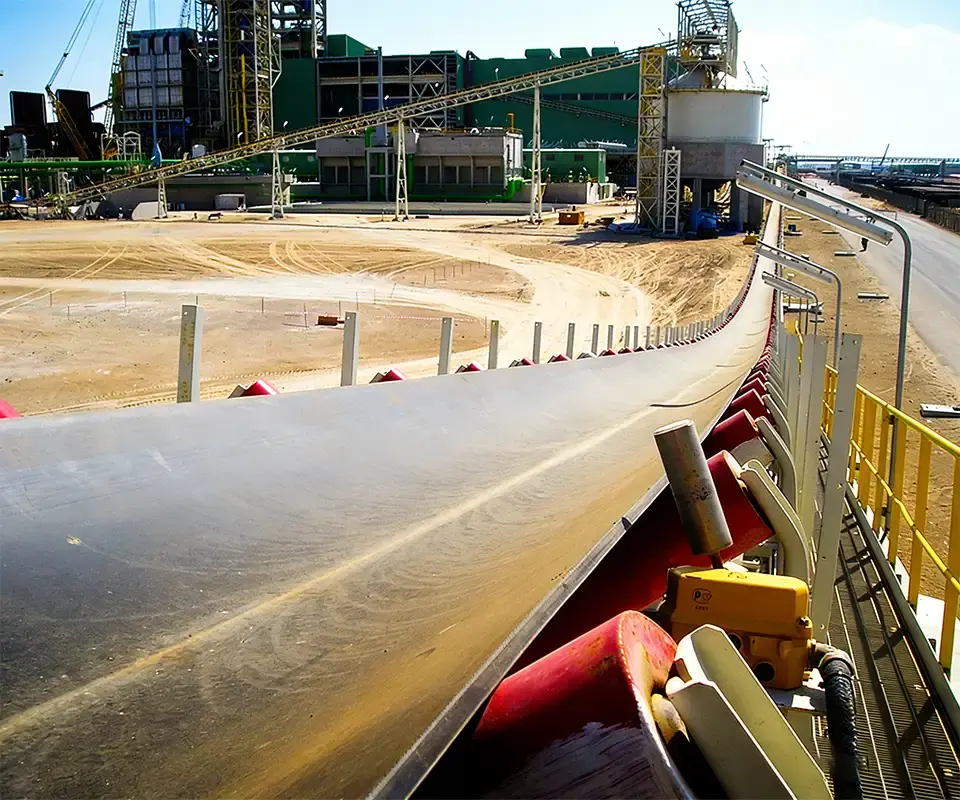
Cement Production
Clay, gypsum, raw meal, additives and hot clinker.
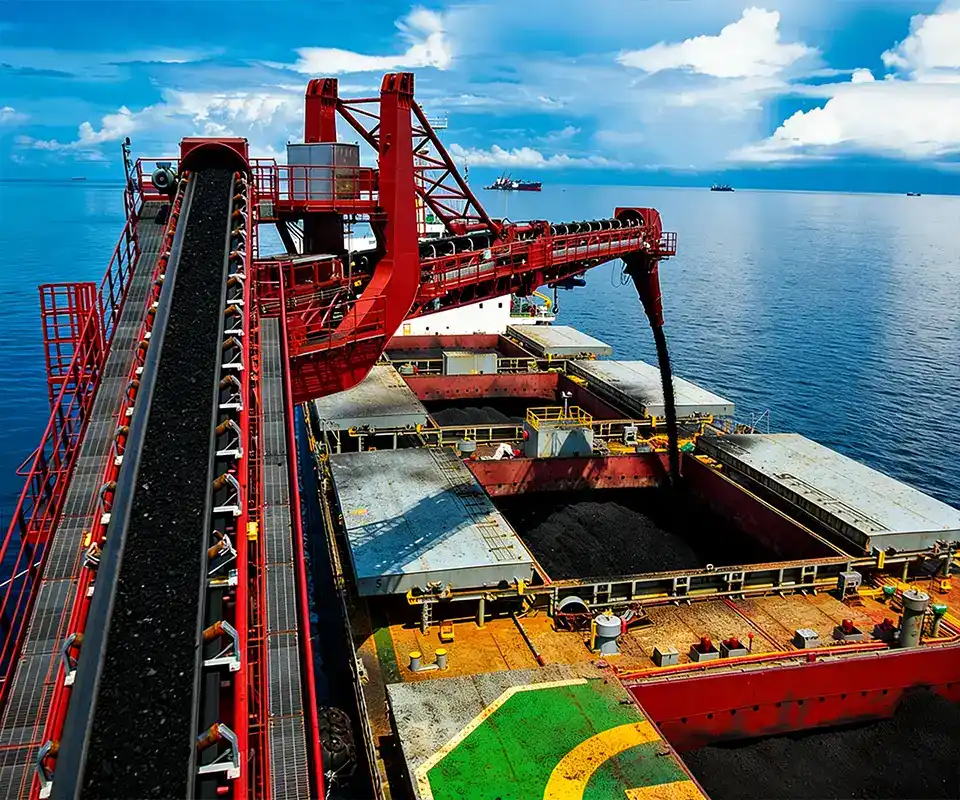
Ports & Terminals
Coal, ore, grain, fertilizer, sulfur, salt and biomass.
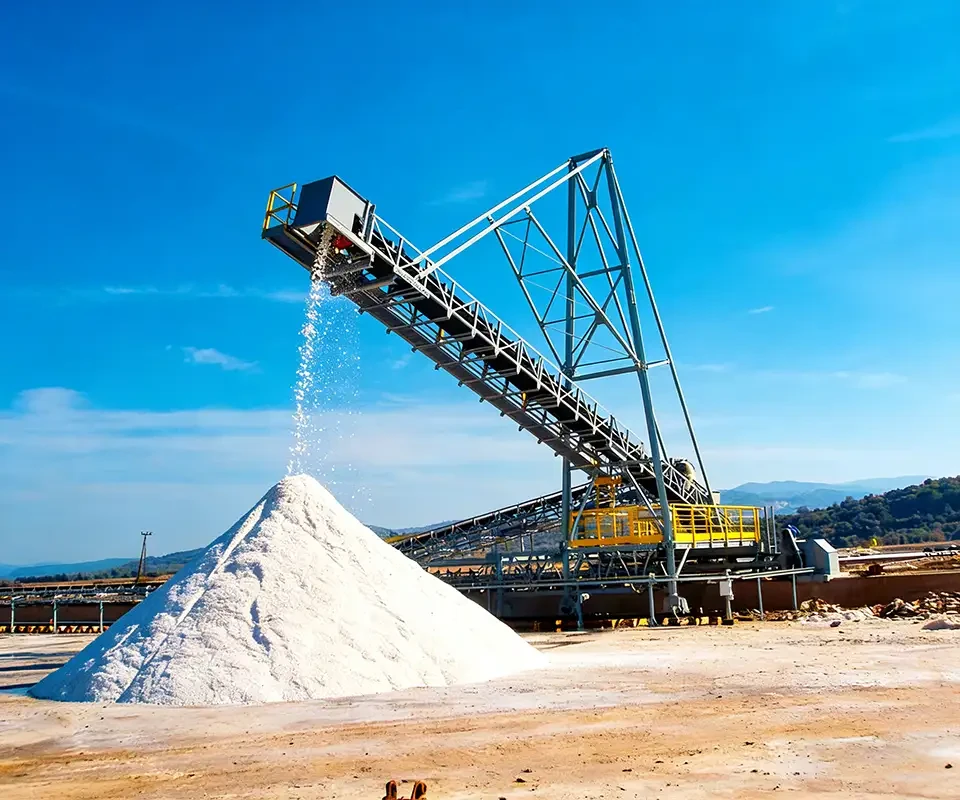
Chemical Materials
Fertilizer, soda ash, salt and selected chemical granules.
Food & Packaged Goods
Grain, sugar and suitable bags, cartons or unit loads.
Why Material Properties Matter
The same conveyor layout may perform very differently with two materials. A low-density powder can create dust and become airborne at transfer points, while dense ore creates high belt tension and impact loading. Sharp rock may cut the cover, hot clinker may age ordinary rubber rapidly, and oily material may cause an unsuitable cover to swell and lose strength. Material evaluation should therefore happen before belt rating, cover grade and component dimensions are finalized.
A useful specification begins with the material name, but it should also include loose and compacted bulk density, normal and maximum temperature, moisture range, largest lump dimension, percentage of fines, abrasiveness, corrosive chemicals, oil exposure and any combustible dust or flame-resistance requirement. Capacity in tonnes per hour, conveyor length, lift height, incline angle and expected operating hours complete the picture.
Coal and Mining Materials
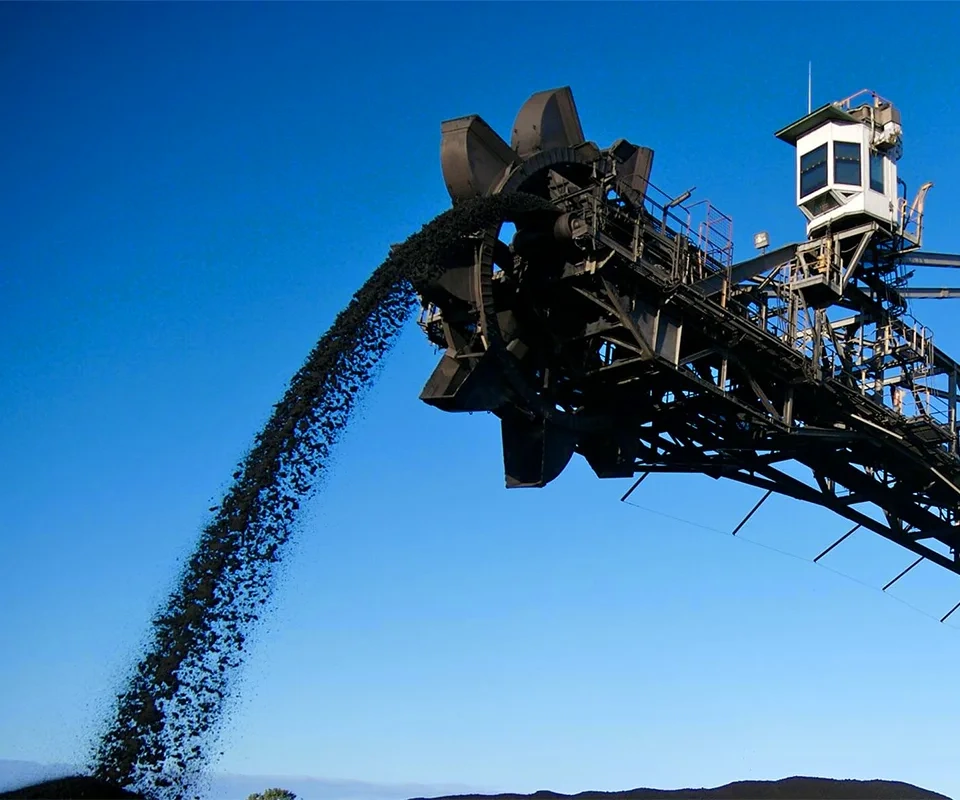
Coal, lignite, iron ore, copper ore, bauxite, phosphate rock and other mined materials are among the most established belt conveyor applications. Conveyors can move material from the pit or underground working area to crushers, screens, stockpiles and processing plants. They are especially valuable where continuous flow and long conveying distances make repeated truck movement costly or difficult.
Mining duty is demanding. Large lumps create impact at loading points, sharp fragments attack the belt cover, and dust enters bearings and transfer zones. A properly selected system may require impact-resistant fabric or steel-cord reinforcement, abrasion-resistant covers, impact idlers, well-sealed rollers and effective belt cleaning. Coal handling may also require flame-resistant or fire-safety performance, particularly in enclosed or underground installations. See SHENGYUAN’s mining and coal conveyor solutions for the component approach used in high-load, dusty conditions.
Sand, Gravel, Aggregate and Crushed Stone
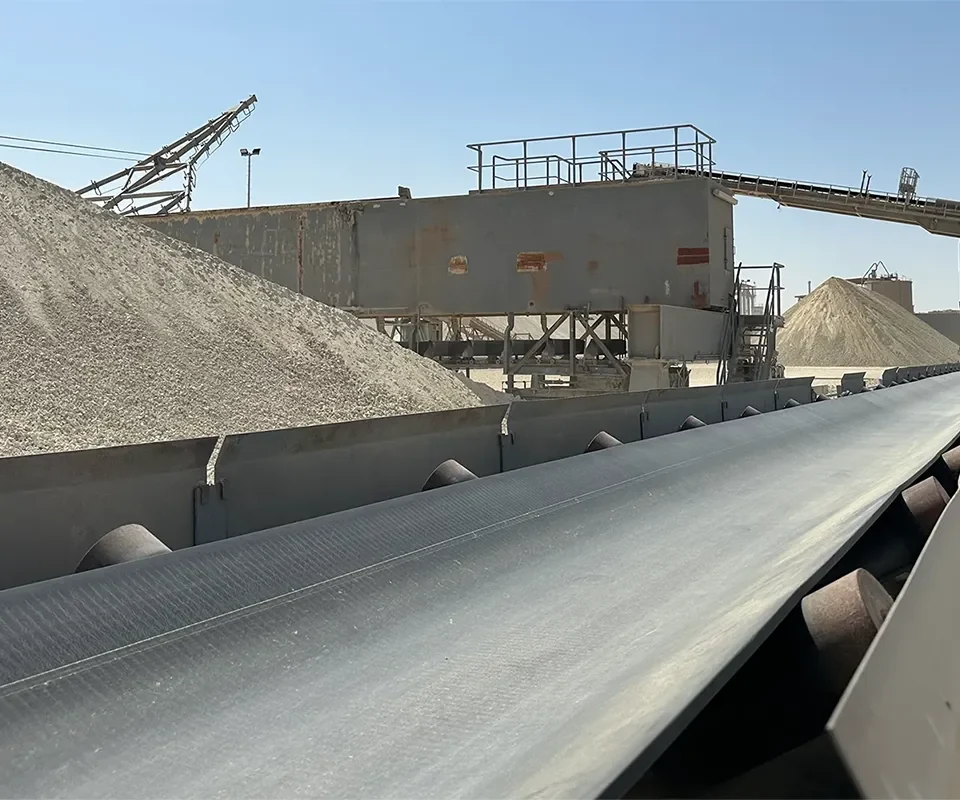
Quarries and aggregate plants use belt conveyors for sand, gravel, limestone, granite, basalt, recycled concrete and screened fractions. These materials are generally suitable for belt transport, but they are rarely gentle on equipment. Fine sand can escape through poorly controlled transfer points, while coarse crushed stone produces both impact and cutting wear.
The largest lump dimension should be compared with usable belt width and loading geometry. As a preliminary reference for conventional bulk conveyors, common maximum lump dimensions are often around 100 mm for a 500 mm belt, 150 mm for 650 mm, 200 mm for 800 mm, 300 mm for 1,000 mm, and approximately 350 mm for 1,200 to 1,400 mm belts. These are not universal guarantees. Lump shape, the proportion of oversize pieces, chute design, troughing angle and edge clearance must still be checked. The sand, aggregate and cement application page outlines the wear conditions that influence roller and pulley selection.
Cement Raw Materials, Clinker and Powder
Belt conveyors are used throughout cement production to handle limestone, clay, gypsum, additives, raw meal, coal and clinker. Ordinary-temperature limestone may use a general abrasion-resistant rubber belt. Hot clinker is different: an ordinary cover can harden, crack or separate when exposed above its intended temperature range. A heat-resistant belt and suitable lagging, idlers and splice system should be selected from the actual continuous and peak material temperatures.
Very fine cement powder is conveyable, but dust control becomes a primary design issue. Low-impact loading, enclosed transfer points, skirt sealing, extraction or filtration and an appropriate belt cleaner help reduce airborne dust and material loss. For steep lifts, a chevron or sidewall belt may provide better material retention than a smooth conventional belt.
Port and Terminal Bulk Cargo
Port conveyors handle coal, ore, grain, fertilizer, sulfur, salt, biomass and other imported or exported commodities. The belt itself may be suitable for all of these materials, but marine exposure adds moisture, salt spray and corrosion to the design conditions. High throughput and ship schedules also make unplanned downtime particularly expensive.
Port projects often benefit from corrosion-protected structures, sealed bearings, reliable pulley lagging, strong cleaners and close control of belt tracking. Covered or pipe conveyors can reduce wind loss, rain contamination and dust escape where environmental control is important. Buyers planning this type of project can review SHENGYUAN’s ports, terminals and logistics handling experience.
Chemical, Salt, Sugar and Fertilizer Materials
Many chemical and food-related bulk solids can be transported by belt, including salt, sugar, urea, compound fertilizer, soda ash and selected plastic or chemical granules. Suitability depends on compatibility, contamination control and dust behavior. Salt and fertilizers may accelerate corrosion. Sugar and some powders may create combustible dust hazards. Acids, alkalis or process chemicals can attack ordinary rubber compounds and metal components.
For corrosive service, the material safety data, concentration, temperature and exposure time should be reviewed before selecting a cover compound. An acid-and-alkali-resistant belt may be required, together with corrosion-resistant finishes or component materials. Oil-contaminated products require an oil-resistant cover because ordinary rubber can swell, soften and lose adhesion. More industry-specific considerations are available on the chemical, salt and sugar conveyor application page.
How Density Affects Conveyor Capacity
Bulk density converts belt volume into mass flow. If two materials occupy the same cross-sectional area on the same belt at the same speed, the denser material produces a higher tonnes-per-hour rate and higher load on the belt and supporting components. A conveyor sized for light biomass cannot automatically carry the same volumetric loading of dense ore without checking belt tension, pulley torque, idler load, structure and drive power.
Practical rule: Use the highest credible operating bulk density for mechanical design, but also check the lowest density when evaluating belt cross-section and volume capacity. Where density changes with moisture or compaction, provide both normal and worst-case values.
Temperature, Corrosion and Special Hazards
General rubber belts are commonly used in ordinary ambient conditions and for materials within the belt manufacturer’s approved temperature range. A project operating in approximately -25°C to +40°C ambient conditions may fit conventional equipment, but hot material, severe cold or large temperature cycling requires specific verification. Material temperatures around 80°C to 200°C normally call for a heat-resistant construction selected for the continuous and intermittent exposure.
Cold outdoor mines may need a cold-resistant compound that remains flexible. Coal and fire-risk areas may need flame-resistant performance. Oily, acidic or alkaline materials need compatible cover grades. Hazardous dust or gas may also require explosion-protected electrical equipment, grounding, monitoring and site-specific safety controls. The belt grade is only one part of the solution; chutes, cleaners, pulleys, rollers, motors and guarding must meet the same operating conditions.
Selecting the Right Belt and Conveyor Configuration
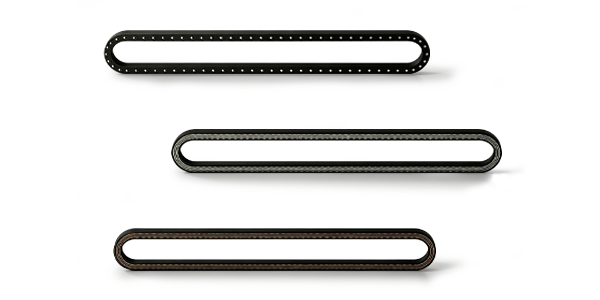
General rubber or EP fabric belts serve many medium-duty applications. Nylon carcasses can provide useful impact and flexing performance, while steel-cord belts are commonly considered for long-distance, high-tension and high-capacity systems where low elongation is important. Chevron profiles help reduce rollback on moderate inclines. Corrugated sidewall belts carry material at steeper angles, and pipe belts enclose dusty or environmentally sensitive products.
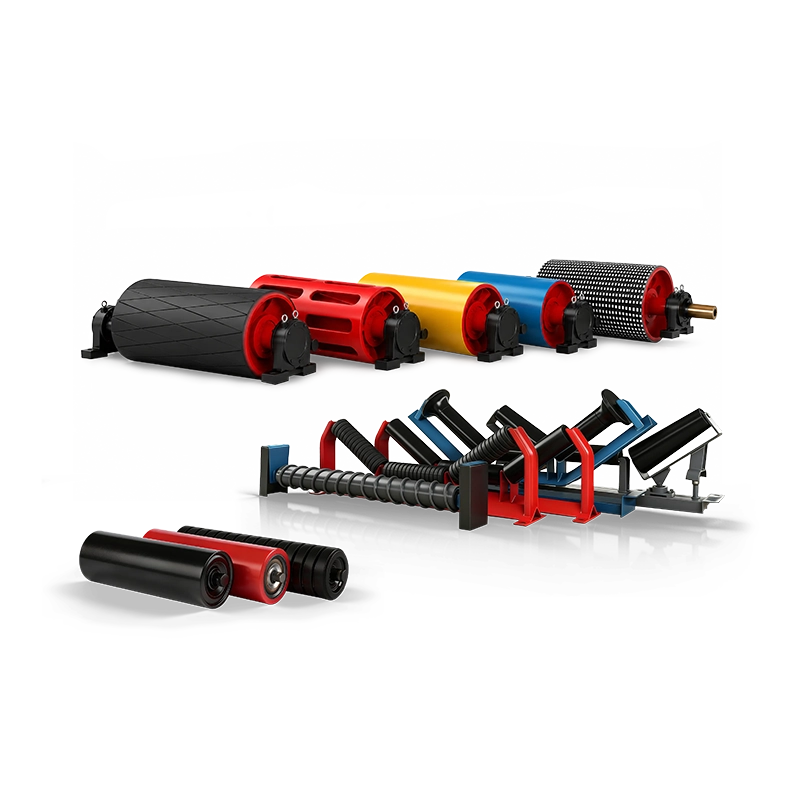
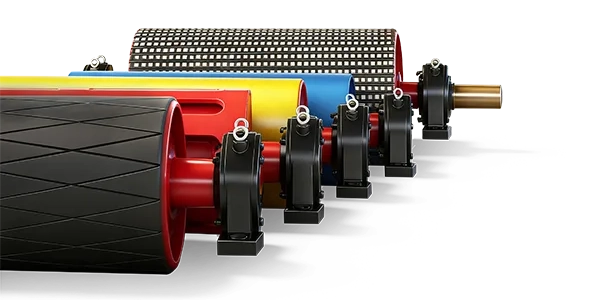
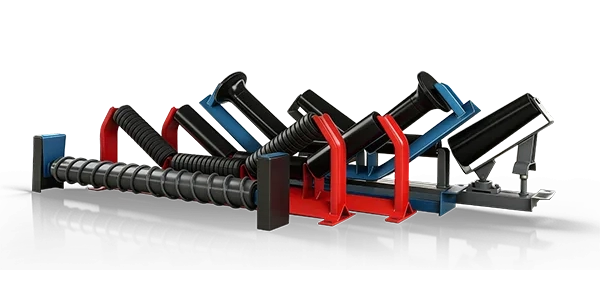
SHENGYUAN supplies a broad heavy-duty conveyor belt range, including rubber, EP, nylon, steel-cord, flame-resistant, heat-resistant, oil-resistant, cold-resistant, acid-and-alkali-resistant, chevron, sidewall, pipe and PVC/PVG solid-woven options. Belt selection can also be reviewed together with rollers, idlers, pulleys and cleaners, which helps buyers avoid component combinations that appear acceptable individually but perform poorly as a system.
Information to Provide for an Accurate Recommendation
| Data Group | Information to Provide | Why It Matters |
|---|---|---|
| Material | Name, bulk density, moisture and flow behavior | Defines load, volume and containment needs |
| Particle Size | Normal size, maximum lump and percentage of fines | Affects belt width, impact and chute design |
| Exposure | Temperature, oil, acid, alkali, salt or chemicals | Determines the required cover compound |
| Duty | Capacity, operating hours, starts and impact loading | Influences strength, power and service life |
| Layout | Length, lift, incline, width, speed and transfers | Controls tension and conveyor configuration |
| Safety | Flame resistance, combustible dust and site standards | Sets mandatory belt and equipment requirements |
Need a material-specific conveyor recommendation?
SHENGYUAN can review the conveyed material, capacity, conveyor layout and operating environment together, then coordinate the conveyor belt, rollers, idlers, pulleys and cleaners as one working system.
Conclusion
Belt conveyors are suitable for a wide range of industrial materials, from coal, ore and crushed rock to cement ingredients, port cargo, salt, sugar, fertilizer and chemical granules. Their flexibility comes from matching the belt construction and complete conveyor system to the material rather than applying one standard design everywhere.
For a dependable selection, evaluate density, maximum lump size, temperature, abrasion, moisture, corrosion, oil exposure, dust and fire risk together with the required capacity and conveyor layout. SHENGYUAN combines nearly two decades of bulk-material-handling experience with coordinated belt, roller, idler, pulley and cleaner selection. Providing complete application data at the inquiry stage gives the engineering team the best basis for a stable, maintainable and cost-effective recommendation.