



HDPE Return Rollers for Wet Salt Conveyors: Buying Guide
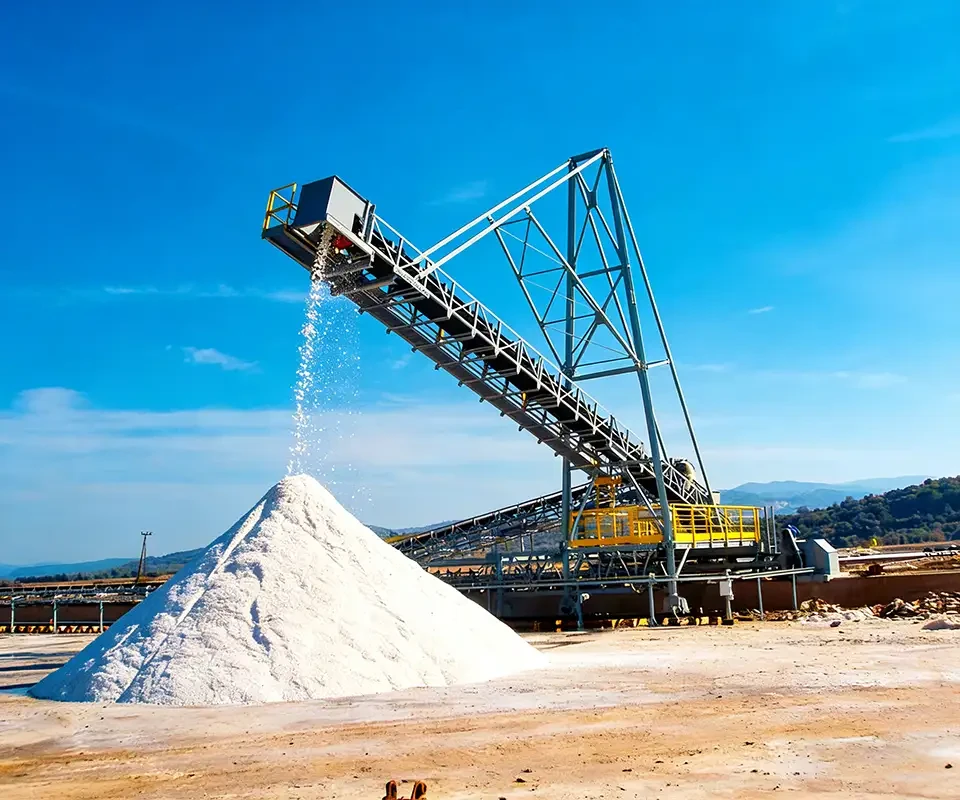
Wet salt conveyors create a difficult operating environment for return rollers. Moisture combines with chloride-rich salt to form a highly

Access practical conveyor guides, product selection advice, specification explanations, installation tips, troubleshooting methods, and maintenance best practices. Learn how to choose and operate rollers, pulleys, idlers, belts, and related components for reliable bulk material handling.
Wet salt conveyors create a difficult operating environment for return rollers. Moisture combines with chloride-rich salt to form a highly
Buying a heat-resistant conveyor belt for clinker is more complicated than choosing a belt for ordinary limestone, coal, or aggregate.
Buying a replacement conveyor pulley is relatively simple when the original drawing includes the shell diameter, face width, shaft diameter,
At a bulk terminal, replacing a conveyor pulley is more than a component purchase. The replacement must fit existing equipment,
Two mining conveyor belt quotations can specify the same width and tensile strength yet describe substantially different products. Carcass construction,
A coal conveyor that slips after rain does not necessarily need ceramic lagging. A pulley whose rubber separates from the
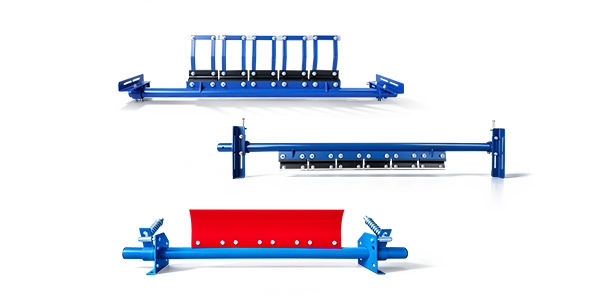
Selecting a conveyor belt cleaner blade is not simply a choice between a softer material and a harder material. Polyurethane

Belt cleaners are small components compared with the conveyor belt, pulleys, or drive system, but their effect on conveyor reliability

The take-up system is one of the most important but frequently misunderstood parts of a belt conveyor. Its purpose is

Conveyor idler spacing is one of the basic design parameters of a belt conveyor, but it should not be treated

Conveyor idlers are among the most frequently used components in a belt conveyor system. They support the conveyor belt, carry

A belt conveyor may appear simple from a distance: a continuous belt moves material from one point to another. In