



A conveyor pulley is one of the most important rotating components in a belt conveyor system. It supports belt tension, changes belt direction, transfers drive force, and helps keep bulk material moving continuously through the production line. When a conveyor pulley fails early, the result is rarely limited to the pulley itself. It may cause belt slipping, bearing overheating, lagging damage, shaft wear, belt mistracking, material spillage, and unplanned downtime.
For mining, coal handling, cement plants, ports, quarries, steel plants, power plants, aggregate processing, and other heavy-duty bulk material handling applications, extending conveyor pulley service life is a direct way to reduce maintenance cost and improve production reliability. The key is not only to buy a strong pulley, but also to select, install, inspect, lubricate, clean, and maintain it correctly throughout its working life.
Quick answer: To extend the service life of a conveyor pulley, choose the correct pulley type and size, use suitable lagging, protect the bearings, control belt tension, keep the pulley clean, maintain alignment, inspect regularly, and work with a reliable conveyor pulley manufacturer for customized heavy-duty solutions.
Why Conveyor Pulley Service Life Matters
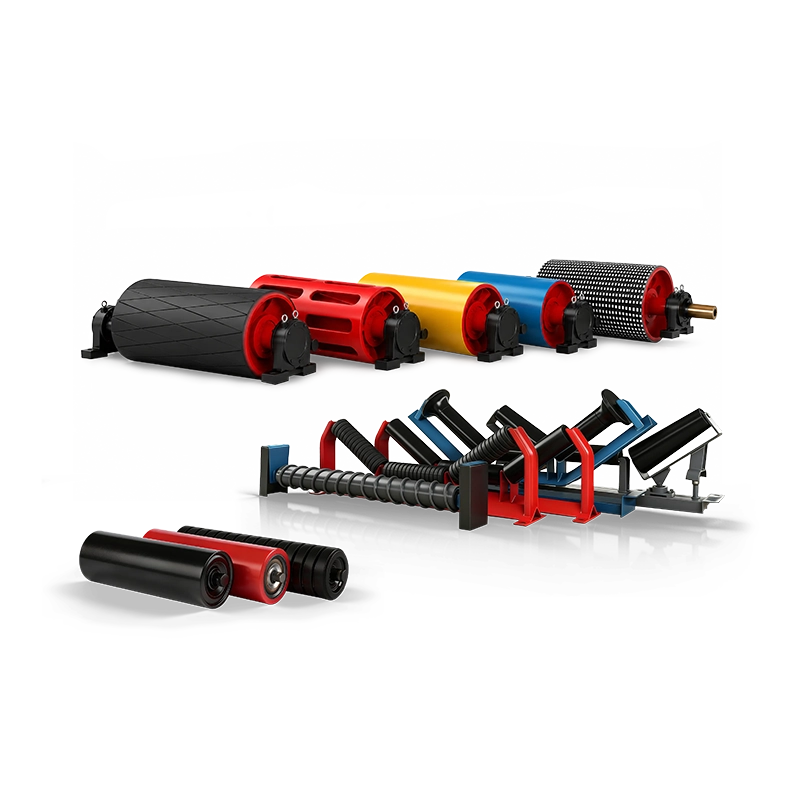
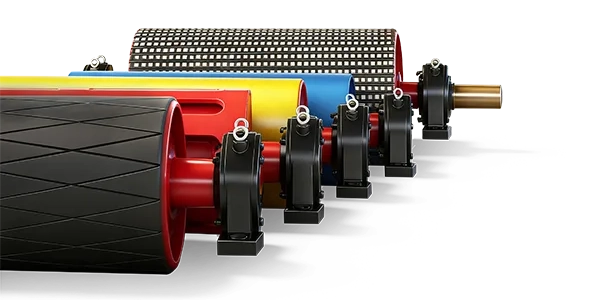
A belt conveyor pulley works under continuous mechanical load. A drive pulley must transmit power to the conveyor belt. A tail pulley changes the belt direction at the end of the conveyor. A bend pulley or snub pulley guides the belt and increases wrap angle. A take-up pulley works with the tensioning system to maintain proper belt tension. A self-cleaning pulley helps reduce material buildup in sticky or wet conditions. Each pulley type has a different function, but all of them influence conveyor safety and system reliability.
When pulley life is short, the hidden cost can be high. The plant may need emergency labour, lifting equipment, replacement bearings, new lagging, belt repair, production stoppage, and additional inspection. In many sites, the downtime cost of a critical conveyor is much higher than the purchase price difference between an ordinary conveyor pulley and a well-designed heavy-duty conveyor pulley.
| Pulley Type | Main Function | Service Life Risk |
| Drive Pulley | Transfers power and drives the conveyor belt | Lagging wear, belt slip, high torque, bearing load |
| Tail Pulley | Changes belt direction at the conveyor tail | Material buildup, belt mistracking, contamination |
| Bend Pulley | Changes belt route and supports belt direction | Misalignment, surface wear, uneven belt contact |
| Snub Pulley | Increases belt wrap angle around the drive pulley | High pressure contact, lagging wear, bearing stress |
| Take-up Pulley | Maintains proper belt tension in the conveyor system | Uneven tension, bearing overload, frame movement |
1. Select the Correct Conveyor Pulley for the Application
Pulley service life begins with correct selection. A conveyor head pulley, tail drum pulley, bend pulley, take-up pulley, snub pulley, wing pulley, or self-cleaning pulley should be selected according to belt width, belt speed, belt tension, material load, pulley position, working environment, and duty cycle. A pulley that is suitable for a light-duty indoor conveyor may fail quickly in a mining conveyor, quarry conveyor, or port bulk handling system.
Key design factors include pulley diameter, shell thickness, shaft diameter, bearing arrangement, hub structure, welding quality, surface treatment, dynamic balance, and lagging type. For high-tension belt conveyors, the shaft and bearing seat design are especially important because repeated bending stress and high radial load can shorten component life. For dusty or wet conveyors, sealing and coating protection are equally important.
A conveyor pulley should be selected as part of the complete belt conveyor system, not as a simple steel drum. The right design must match load, speed, tension, material, and environment.
2. Use Proper Pulley Lagging to Improve Traction and Protection
Pulley lagging is the protective and friction-enhancing layer installed on the pulley shell. It may be rubber lagging, diamond rubber lagging, ceramic lagging, cold bonded ceramic lagging, polyurethane lagging, or other customized lagging. The correct lagging can reduce belt slip, protect the pulley shell, increase traction, resist wear, and improve belt stability.
For drive pulleys, lagging quality is critical because it affects power transmission. If the lagging becomes worn, hardened, cracked, or detached, the belt may slip under load. Belt slip generates heat, damages the belt bottom cover, wears the lagging faster, and increases energy loss. For wet or muddy applications, ceramic lagging or special surface patterns may provide better grip than plain rubber lagging.
Regularly inspect pulley lagging for cracks, peeling, uneven wear, missing ceramic tiles, exposed steel, and surface contamination. If the shell and shaft remain sound, relagging may extend pulley life. If lagging failure is linked to shell deformation, poor alignment, or repeated belt slip, the pulley design and operating condition should be reviewed before relagging.
3. Protect Conveyor Pulley Bearings from Dust, Water, and Overload
Bearing failure is one of the most common reasons for conveyor pulley downtime. Pulley bearings operate under continuous radial load, belt tension, vibration, dust, moisture, and temperature changes. Once dust, water, slurry, or abrasive particles enter the bearing housing, grease performance decreases and internal wear accelerates.
To extend bearing life, use suitable bearings for the actual load, protect the bearing area with reliable seals, maintain proper lubrication, and check bearing temperature regularly. Too little grease can cause wear and overheating. Too much grease may increase resistance and temperature. The grease type should match load, speed, operating temperature, moisture, and environmental contamination.
Bearing protection checklist
- Choose bearing capacity according to belt tension and pulley position.
- Use reliable seals to reduce dust and water contamination.
- Follow a defined lubrication interval and record each lubrication action.
- Monitor bearing temperature, vibration, noise, and grease leakage.
- Check shaft fit and bearing housing condition during maintenance.
4. Maintain Correct Belt Tension
Correct belt tension is essential for conveyor pulley life. If tension is too low, the belt may slip on the drive pulley. If tension is too high, the pulley shaft, bearings, hubs, and conveyor structure carry unnecessary load. Both conditions can shorten pulley service life.
The take-up system should move freely and apply balanced tension. Gravity take-up systems should not be blocked. Screw take-up systems should be adjusted evenly on both sides. If one side is tightened more than the other, the take-up pulley or tail pulley may become skewed and create belt mistracking. Over-tensioning should not be used as a quick solution for belt slip because it may hide the symptom while increasing mechanical stress.
Maintenance insight: A stable conveyor belt should run without slip, excessive sag, or severe edge movement. If the system needs frequent tension adjustment, inspect lagging, loading, alignment, take-up travel, and belt condition.
5. Keep the Pulley Surface Clean and Prevent Material Buildup
Material buildup is a major cause of pulley wear, belt mistracking, bearing contamination, and vibration. Sticky fines, wet coal, clay, cement powder, ore fines, and aggregate dust can accumulate on the pulley face, shaft area, bearing housing, and nearby conveyor structure. When buildup is uneven, it changes the effective pulley diameter and creates unstable belt contact.
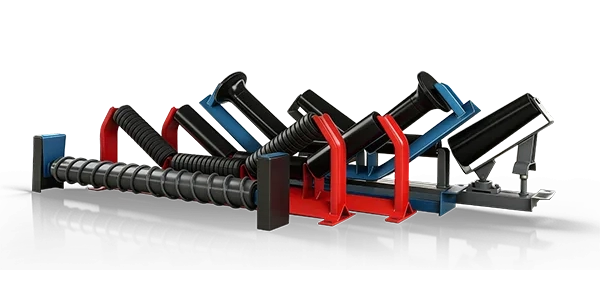
To reduce buildup, maintain belt cleaners, improve transfer point design, control material spillage, and inspect return-side components. A self-cleaning pulley, wing pulley, spiral return roller, or improved cleaner system may be helpful in sticky material applications. For tail pulleys, material buildup is especially risky because the pulley is close to the return belt and may receive carryback material from the belt surface.
6. Control Pulley Alignment and Belt Tracking
Misalignment shortens conveyor pulley life by creating uneven belt contact, side load, bearing stress, and lagging wear. A head pulley, tail pulley, bend pulley, snub pulley, or take-up pulley must be square to the conveyor centreline. Even a small alignment error can cause belt mistracking, edge wear, and unstable operation on long-distance or high-speed conveyors.
During installation and maintenance, check pulley shaft level, bearing housing position, frame squareness, belt centreline, and idler alignment. If the belt repeatedly tracks to one side near the same pulley, do not simply adjust nearby idlers. Inspect the pulley alignment, lagging condition, material buildup, shaft condition, and conveyor frame first.
7. Reduce Impact Load at Transfer Points
Although pulleys are not always located directly under the loading chute, impact at transfer points can still affect pulley life. Poor loading can cause belt mistracking, uneven tension, material spillage, and sudden load changes. These conditions increase stress on drive pulleys, bend pulleys, snub pulleys, and take-up pulleys.
Use suitable impact rollers, impact beds, chute liners, skirt sealing, and central loading design to control material flow. The material should land near the belt centreline and move in the same direction as the belt. If material is loaded from one side, the belt may move off-centre and create additional pressure on pulley surfaces and bearings.
8. Inspect Pulley Shell, Shaft, Welds, and Runout
The steel structure of a conveyor pulley must remain strong, round, and accurately aligned. Pulley shell dents, weld cracks, end disc deformation, shaft wear, keyway damage, and bearing seat wear can all shorten pulley service life. Severe runout may cause vibration, uneven belt contact, and increased bearing load.
Visual inspection is useful, but important pulleys should also be measured. Check shell roundness, shaft straightness, weld quality, lagging thickness, bearing fit, and pulley runout. For critical conveyors, a damaged pulley should not be returned to service only because it can still rotate. If the shaft, shell, or bearing seat is structurally compromised, replacement is usually safer than repeated repair.
| Inspection Item | Possible Warning Sign | Recommended Action |
| Lagging | Cracking, peeling, uneven wear, exposed shell | Relagging or pulley replacement after structure check |
| Bearing | High temperature, noise, vibration, grease leakage | Inspect bearing, seal, lubrication, shaft, and housing |
| Pulley shell | Dents, corrosion, cracks, deformation | Measure thickness and runout before reuse |
| Shaft | Wear, bending, fretting, keyway damage | Check fit and consider replacement for critical damage |
9. Use a Preventive Maintenance Schedule
A preventive maintenance schedule helps find pulley problems before they become failures. Daily checks can focus on visible belt tracking, abnormal noise, material buildup, belt slip, and obvious damage. Weekly or monthly inspections can include bearing temperature, lagging condition, pulley alignment, cleaner performance, and fastener tightness. Shutdown inspections can include detailed bearing, shaft, runout, weld, and structural checks.
Inspection records are valuable because they show trends. A bearing that becomes slightly hotter every month, a pulley lagging surface that wears unevenly, or a belt that gradually shifts toward one side may indicate a developing problem. Planned maintenance is usually much cheaper than emergency replacement after sudden failure.
Recommended maintenance routine
- Check pulley lagging, belt tracking, and material buildup during normal operation.
- Record bearing temperature, vibration, noise, and lubrication condition.
- Inspect cleaners, return rollers, and chute areas that affect pulley cleanliness.
- Check alignment after installation, major maintenance, or structural movement.
- Plan relagging or replacement before the pulley reaches a high-risk condition.
10. Choose a Reliable Conveyor Pulley Manufacturer
A conveyor pulley with longer service life starts with reliable manufacturing. Buyers should evaluate the pulley manufacturer’s experience, production capability, material selection, welding process, machining accuracy, bearing arrangement, lagging quality, inspection process, and ability to customize according to drawings. For heavy-duty projects, the cheapest conveyor pulley is not always the lowest-cost solution after considering downtime and maintenance risk.
SHENGYUAN is a conveyor component manufacturer focusing on conveyor pulleys, conveyor rollers, idler sets, and related accessories for bulk material handling systems. The company supports customized conveyor pulley manufacturing for heavy-duty applications such as mining, coal, cement, ports, steel, power plants, quarries, sand and gravel, logistics, and chemical handling.
For customers who need a belt conveyor drive pulley, head pulley, tail pulley, bend pulley, snub pulley, take-up pulley, wing pulley, self-cleaning pulley, ceramic lagging pulley, rubber lagged pulley, or custom conveyor drum pulley, SHENGYUAN can help review belt width, belt speed, load condition, pulley position, bearing requirements, lagging type, and drawings to provide a suitable solution.
Conclusion: Longer Pulley Life Comes from System Control
Extending the service life of a conveyor pulley requires more than replacing worn parts. The most effective approach is to control the complete system: choose the right pulley design, use suitable lagging, protect bearings, maintain correct belt tension, prevent material buildup, align the pulley accurately, reduce loading impact, and inspect regularly. Each factor supports the others. If one area is ignored, the pulley may become the first component to show the problem.
For plant managers, engineers, and purchasing teams, a long-life conveyor pulley should be evaluated by total operating value rather than purchase price alone. A well-designed pulley can reduce belt slip, protect bearings, improve tracking, lower maintenance frequency, and support stable production in harsh bulk material handling environments.
Need a longer-life conveyor pulley for your project?
Send SHENGYUAN your pulley drawings, belt width, belt speed, pulley diameter, shaft size, bearing requirements, lagging type, material type, and working environment. Our team can help recommend or customize a suitable conveyor pulley solution for your heavy-duty belt conveyor system.
FAQ: Extending Conveyor Pulley Service Life
These questions summarize common concerns from conveyor operators, maintenance teams, engineers, and purchasing managers.