



The drive pulley is the point where motor power becomes belt movement. In a heavy-duty conveyor, it must transmit substantial torque while supporting belt tension, maintaining traction, controlling alignment, and operating reliably under dust, moisture, abrasion, impact, and long working cycles. A drive pulley that is too small, structurally weak, poorly lagged, or incorrectly aligned can cause belt slip, bearing overheating, shaft fatigue, shell deformation, lagging separation, and unplanned production stoppages.
Drive pulley selection is therefore more complex than matching a pulley diameter to a belt width. Buyers must consider the conveyed material, conveyor capacity, belt speed, lift height, operating tension, starting conditions, drive power, wrap angle, shaft design, bearing arrangement, hub connection, shell thickness, lagging material, environmental exposure, and maintenance strategy.
This guide explains how to choose drive pulleys for heavy-duty belt conveyors in mining, coal handling, cement, aggregates, ports, steel plants, power stations, and other bulk material handling applications. It also outlines the information a professional manufacturer needs before preparing an accurate technical and commercial proposal.
Quick answer: Choose a heavy-duty drive pulley by matching pulley diameter, face width, shell thickness, shaft strength, bearing capacity, hub connection, lagging type, balancing, and corrosion protection with belt tension, drive torque, belt speed, wrap angle, conveyed load, and operating environment.
What Is a Conveyor Drive Pulley?
A conveyor drive pulley is connected to the conveyor drive system and transfers rotational force to the belt. The drive system normally includes an electric motor, gearbox, coupling, brake, backstop, and supporting structure. As the pulley rotates, friction between the pulley surface and the belt causes the belt to move.
The drive pulley is often installed at the discharge end and may also be called a head drive pulley. However, a head pulley and a drive pulley are not always identical. A head pulley refers to its position at the head of the conveyor, while a drive pulley refers to its power-transmission function. Some systems use a drive pulley in another position or use more than one drive pulley.
Heavy-duty conveyors may use single-drive, dual-drive, or multiple-drive arrangements. Long-distance and high-capacity systems sometimes distribute drive power across several pulleys to control belt tension and reduce excessive stress in one section of the belt.
Begin with the Conveyor Duty
The correct drive pulley cannot be selected without understanding the conveyor duty. A short horizontal conveyor carrying dry limestone creates different demands from a long inclined conveyor moving wet iron ore. Even when both conveyors use the same belt width, their torque, tension, traction, shaft, and lagging requirements may be completely different.
| Operating Information | Why It Matters |
| Conveyor capacity | Higher material flow generally increases the power and torque required from the drive. |
| Conveyor length and lift | Longer routes and greater elevation changes influence operating tension and drive demand. |
| Belt speed | Speed affects pulley rotational speed, bearing duty, balancing, wear, and dynamic behaviour. |
| Material condition | Wet, abrasive, sticky, hot, or corrosive materials influence lagging and surface protection. |
| Starting and stopping conditions | Loaded starts, emergency stops, braking, and frequent cycling can create temporary peak forces. |
Buyers should provide both normal operating data and unusual operating conditions. A pulley that performs adequately during steady operation may still be under-designed for a fully loaded start, blocked chute, emergency stop, or sudden tension change.
Calculate Drive Torque and Belt Tension
Drive torque is the turning force that the pulley must transmit to move the belt and material. It is influenced by required power, pulley rotational speed, pulley diameter, belt resistance, material load, conveyor incline, and operating conditions.
Belt tension acts on the pulley shell, shaft, hubs, bearings, and supporting structure. The tight side of the belt carries greater tension than the slack side. The difference between these tensions creates the effective force that moves the belt. Both values must be considered during pulley design.
For heavy-duty conveyors, the design review should consider steady operating tension and temporary forces generated during starting, stopping, braking, or abnormal loading. Applying only motor power to pulley selection is not enough because two conveyors with the same installed power can have different belt tensions and pulley loads.
Important principle: The motor rating tells the manufacturer how much power is available, but belt tensions, pulley diameter, wrap angle, drive arrangement, and starting conditions determine how that power affects the pulley structure.
Select a Suitable Pulley Diameter
Pulley diameter influences belt bending, transmitted torque, pulley speed, traction, shaft loading, shell stress, and the overall dimensions of the drive station. It must also be compatible with the belt construction and splice system.
When a belt bends around a pulley, its carcass experiences repeated flexing. A pulley that is too small can increase bending stress and shorten belt or splice life. Steel cord belts, high-strength fabric belts, and belts with thick covers may require different minimum diameters.
Increasing pulley diameter may reduce belt bending severity and can change torque requirements, but a larger pulley also increases weight, cost, shaft height, guarding dimensions, and structural space. The correct diameter should therefore be based on belt manufacturer recommendations, conveyor calculations, and installation limits rather than selected by assumption.
Determine the Correct Face Width
Pulley face width must provide enough support for the full belt while allowing suitable edge clearance. If the face is too narrow, the belt edge may operate too close to the shell edge, increasing the risk of belt damage and unstable tracking. An unnecessarily wide pulley adds weight and cost without improving performance.
The required face width depends on belt width, expected belt movement, pulley position, alignment accuracy, and relevant project standards. For replacement projects, the manufacturer should confirm both the existing pulley face and the available space between bearings and structures.
Review Shell Thickness and Structural Design
The pulley shell supports belt pressure and transfers torque through the end discs and hubs to the shaft. Shell thickness must be sufficient to resist deformation, fatigue, and local stress throughout the expected service life.
A thicker shell is not automatically a better shell. Pulley design must consider how the shell, end discs, hubs, welds, and shaft work together. Poorly designed transitions or weld details can create stress concentrations even when substantial material thickness is used.
Heavy-duty drive pulleys may use rolled steel plate shells, engineered end discs, and welded or locking-element hub connections. Manufacturing accuracy is important because shell roundness, concentricity, weld quality, and machining alignment affect balancing, bearing loading, and belt behaviour.
Choose the Shaft and Hub Connection Carefully
Shaft Strength
The shaft is exposed to bending from belt tension and torque from the drive. Its design should consider material strength, diameter changes, bearing locations, hub locations, keyways, shoulders, couplings, and stress concentrations.
A shaft that is undersized may deflect excessively or develop fatigue cracks. A shaft that is unnecessarily large increases material, machining, bearing, and coupling costs. The objective is a balanced design with an appropriate safety margin for the real load case.
Keyed Connections
Traditional keyed connections transmit torque through a key installed between the shaft and hub. They are familiar, relatively simple, and widely used. However, keyways reduce the effective shaft section and can create local stress concentrations if they are not designed and manufactured correctly.
Keyless Locking Assemblies
Keyless locking assemblies transmit torque through controlled friction between the shaft and hub. They can simplify assembly, support accurate positioning, and avoid cutting a keyway into the shaft. They are commonly considered for heavy-duty pulleys, although correct surface tolerances, installation procedures, and tightening torque are essential.
Select Bearings for Load, Speed and Environment
Drive pulley bearings support the rotating assembly and belt loads while allowing the shaft to turn with controlled resistance. Heavy-duty pulleys commonly use spherical roller bearings because they can accommodate substantial radial load and limited misalignment.
Bearing selection should consider calculated load, shaft speed, expected operating life, lubrication, alignment, contamination, temperature, and mounting method. The bearing housing and seal arrangement must also match the operating environment.
Selecting a recognized bearing brand is useful, but bearing brand alone cannot correct a weak pulley design. Incorrect shaft fits, damaged bearing seats, poor alignment, contamination during assembly, insufficient lubrication, or excessive belt tension can still cause early failure.
Choose the Right Drive Pulley Lagging
Lagging is applied to the pulley shell to increase traction, protect the shell, manage water, and reduce belt slip. The correct lagging depends on belt tension, drive torque, wrap angle, material, moisture, contamination, and maintenance conditions.
| Lagging Type | Main Characteristics | Typical Use |
| Plain rubber | Basic shell protection and traction improvement | Moderate-duty, relatively clean conditions |
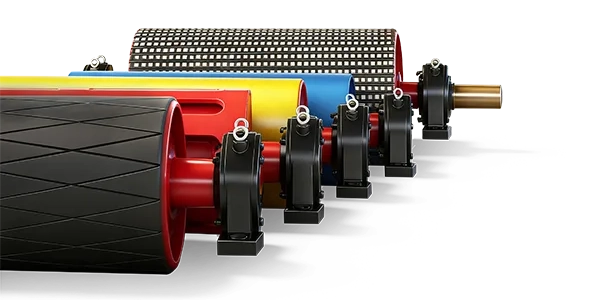
| Diamond-grooved rubber | Improved drainage and traction in changing conditions | Mining, coal, cement, aggregate and outdoor conveyors |
| Ceramic lagging | High traction and strong wear resistance | High-tension, wet, slippery or demanding drives |
| Polyurethane lagging | Wear resistance, cushioning and specialist surface performance | Selected industrial or application-specific conditions |
Ceramic lagging can provide high traction by creating strong contact with the belt cover, making it useful for wet, high-tension, or slip-sensitive conveyors. However, the lagging pattern, ceramic coverage, rubber compound, bonding process, and belt condition must be considered together.
More aggressive lagging is not automatically better. Excessive contact pressure or unsuitable ceramic geometry may increase belt cover wear. The supplier should recommend lagging according to the actual traction requirement rather than using one surface for every drive pulley.
Consider Wrap Angle and Belt Traction
Wrap angle is the amount of belt contact around the drive pulley. Increasing wrap generally increases the contact area available to transmit force. A snub pulley may be installed near the drive pulley to increase this angle and improve traction.
Belt traction depends on wrap angle, pulley surface, belt tension, moisture, contamination, lagging condition, and belt cover properties. When slipping occurs, replacing the lagging may help, but the root cause should also be investigated. Insufficient take-up tension, incorrect alignment, worn lagging, oil contamination, overloaded operation, or inadequate wrap can all contribute.
Illustrative example: A wet ore conveyor may begin slipping after production capacity is increased. Ceramic lagging may improve traction, but the engineering review should also confirm belt tension, motor torque, wrap angle, pulley load, take-up travel, and whether the original drive was designed for the higher capacity.
Specify Balancing and Manufacturing Accuracy
A drive pulley must rotate smoothly. Poor shell roundness, inaccurate machining, uneven lagging, shaft misalignment, or unbalanced construction can generate vibration. At higher belt speeds, small manufacturing errors become more significant.
Depending on pulley size, speed, mass, and project requirements, static or dynamic balancing may be specified. Buyers should also confirm shell runout, shaft runout, bearing-seat tolerances, face-width tolerance, weld inspection, and lagging thickness.
Inspection requirements should be agreed before production. Requesting additional testing after the pulley has been manufactured may create delays or require unnecessary rework.
Account for the Operating Environment
Mining and industrial drive pulleys may operate in dust, rain, mud, salt air, chemical exposure, extreme heat, or low temperatures. The environment influences lagging, paint systems, bearing seals, grease, shaft protection, and material selection.
Outdoor and coastal installations may require stronger corrosion protection. Hot-material conveyors may need heat-resistant lagging and lubricants. Underground or safety-sensitive applications may require specific fire-resistant and antistatic materials. Buyers should state both material temperature and ambient temperature because they are not always the same.
Avoid Common Drive Pulley Selection Mistakes
Selecting by Belt Width Alone
Belt width does not define drive torque, belt tension, shaft load, shell stress, or lagging requirements.
Copying an Old Pulley
Production capacity, belt speed, motor power, or working conditions may have changed since the original design.
Choosing Lagging by Price
Low-cost lagging may fail early if rubber quality, bonding, thickness, drainage, or traction is unsuitable.
Ignoring Start-Up Loads
A pulley designed only for steady operation may be vulnerable during loaded starts, braking, or emergency stops.
Information Required for an Accurate Quotation
01. Pulley position and drive arrangement
02. Belt width, belt type, belt strength and belt speed
03. Conveyor capacity, length and vertical lift
04. Drive power, gearbox data, torque and operating tensions
05. Pulley diameter, face width and available installation space
06. Shaft ends, coupling, bearing and hub requirements
07. Wrap angle, lagging type and take-up information
08. Material, moisture, temperature, dust and corrosion conditions
09. Drawings, inspection requirements, quantity and delivery schedule
Why Choose SHENGYUAN Drive Pulleys?
SHENGYUAN, the brand of Hebei Shengwen Mining Machinery Co., Ltd., specializes in conveyor pulleys, rollers, idlers, and related components for heavy-duty bulk material handling. Its products serve mining, coal, cement, aggregates, ports, steel plants, power plants, and industrial conveyor projects.
Heavy-Duty Pulley Product Range
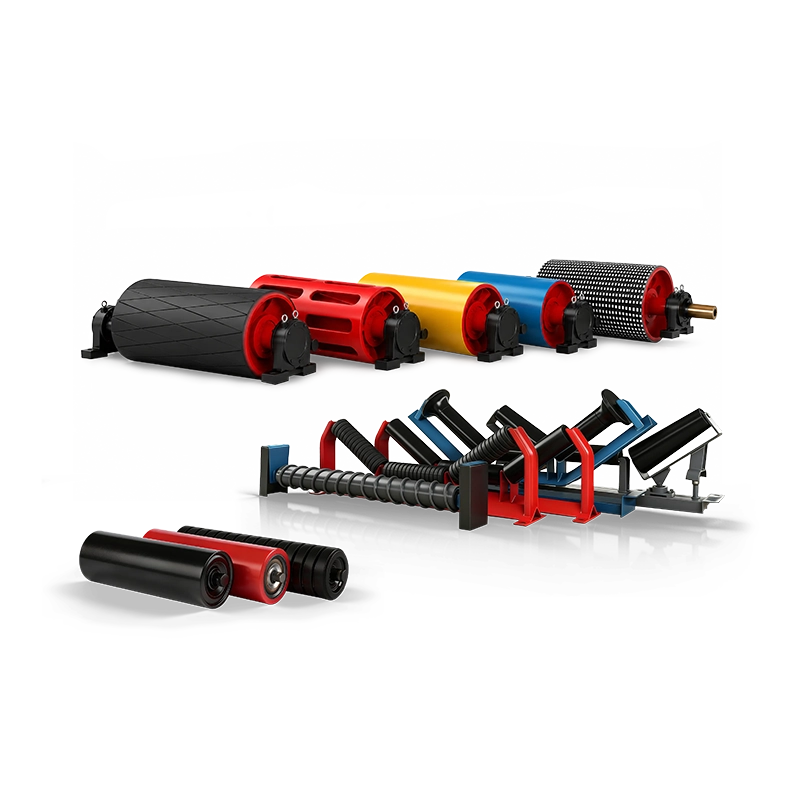
The SHENGYUAN conveyor pulley range includes drive pulleys, head pulleys, tail pulleys, bend pulleys, snub pulleys, take-up pulleys, self-cleaning pulleys, rubber-lagged pulleys, ceramic-lagged pulleys, and other customized pulley designs.
Drawing-Based Custom Manufacturing
Through its custom conveyor solutions, SHENGYUAN can manufacture drive pulleys according to customer drawings, replacement dimensions, belt data, shaft connections, bearing requirements, and operating conditions.
Customization can include pulley diameter, face width, shell thickness, shaft material, shaft ends, hub design, keyless locking assemblies, bearing housings, rubber hardness, diamond-grooved lagging, ceramic coverage, coating, balancing, and product identification.
Factory-Direct Technical Communication
Direct communication with the manufacturer helps reduce information loss between the buyer, sales team, engineering team, and production workshop. This is particularly valuable for non-standard drive pulleys, replacement projects, and high-load conveyor systems where small dimensional differences can affect installation.
Coordinated Component Supply
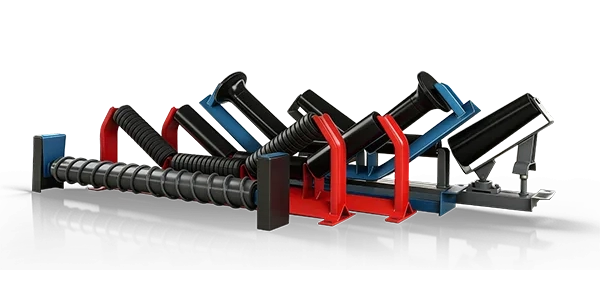
Drive pulleys can be ordered together with snub pulleys, bend pulleys, take-up pulleys, conveyor rollers, idler frames, belt cleaners, and related components. Coordinating these products can simplify technical confirmation, packaging, container planning, and project documentation.
Export and Logistics Support
Large pulleys require suitable protection for shafts, lagging, bearing seats, coatings, and machined surfaces during long-distance transport. SHENGYUAN’s service and logistics support covers technical confirmation, production communication, reinforced packaging, shipment coordination, and after-sales assistance.
Why SHENGYUAN can be a strong drive pulley supplier:
SHENGYUAN combines heavy-duty conveyor specialization, factory-direct production, drawing-based customization, rubber and ceramic lagging options, coordinated component sourcing, quality inspection, and export-oriented service. It is particularly suitable for distributors, EPC contractors, mines, cement plants, ports, steel plants, and power plants planning customized or repeat pulley orders.
Conclusion: Select the Drive Pulley as an Engineered System Component
A heavy-duty drive pulley should never be selected only by belt width, external dimensions, or purchase price. Its diameter, shell, shaft, hubs, bearings, lagging, balancing, and surface protection must match belt tension, torque, speed, wrap angle, start-up conditions, environmental exposure, and expected service life.
The most reliable selection process begins with accurate conveyor data and a clear understanding of the pulley’s function. Buyers should compare technically equivalent quotations, review drawings before production, confirm inspection requirements, and evaluate total ownership cost rather than unit price alone.
For projects requiring factory-direct manufacturing, customized dimensions, heavy-duty lagging, coordinated pulley and roller supply, or export-ready packaging, SHENGYUAN provides a practical solution for planned conveyor construction, maintenance, and replacement programmes.
Request a technically accurate drive pulley quotation
Provide the pulley drawing, belt width, belt strength, belt speed, conveyor capacity, drive power, belt tensions, pulley diameter, face width, shaft requirements, bearing arrangement, lagging type, wrap angle, operating environment, quantity, and required delivery date.