

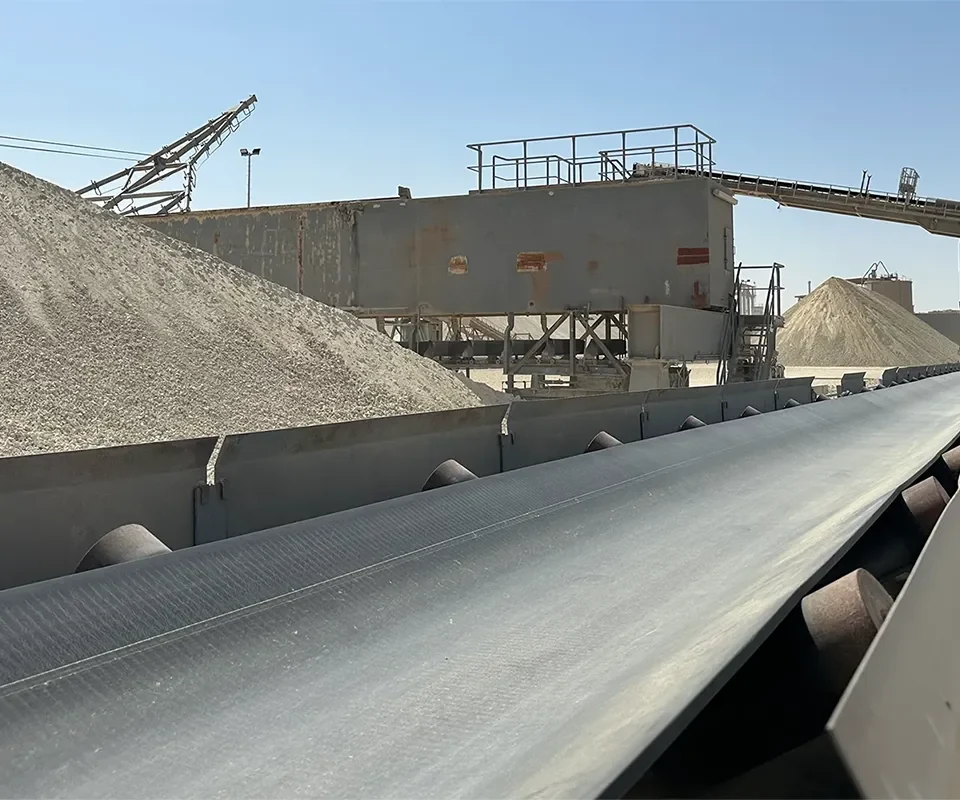
In a belt conveyor system, the conveyor pulley is one of the most important components for keeping material moving safely and efficiently. It supports belt tension, transfers drive force, changes belt direction, and helps maintain stable belt tracking. When a pulley begins to fail, the problem may not appear serious at first. A small crack, worn lagging, rising bearing temperature, or slight vibration can easily be ignored during daily operation. However, these early warning signs can develop into belt damage, pulley seizure, unexpected shutdown, and costly production loss.
For mining, quarrying, cement, coal, ports, power plants, steel plants, and other bulk material handling industries, the decision to replace or refurbish a conveyor pulley should be based on inspection evidence, operating risk, and total life-cycle cost. Replacing too early may waste budget, while delaying action may lead to emergency downtime. Refurbishing may be suitable when the pulley structure is still sound, but replacement is safer when critical damage affects the shaft, shell, bearing seats, or overall mechanical reliability.
Core message: The best time to make a repair or replacement decision is before the pulley fails completely. Regular inspection helps identify whether a conveyor pulley can be refurbished or should be replaced to protect the whole conveying system.
Why Conveyor Pulley Condition Matters
A conveyor pulley is not an isolated part. Its condition directly affects the belt, bearings, shaft, drive system, take-up system, cleaners, and surrounding conveyor structure. If a pulley surface becomes uneven, the belt may mistrack. If the lagging loses friction, the belt may slip. If the bearing area overheats, the pulley may stop rotating smoothly. If the shell or shaft develops structural damage, the failure may become sudden and severe.
In heavy-duty applications, one conveyor stoppage can interrupt the movement of large volumes of bulk material. The cost is not limited to the pulley itself. It may include lost production, emergency labour, crane rental, belt repair, replacement parts, and delayed shipments. This is why pulley inspection should be part of a preventive maintenance strategy, not only a response after failure.
Refurbish
Suitable when the shaft, shell, and structure are still reliable, but lagging, coating, or surface condition needs restoration.
Replace
Recommended when there is serious shaft damage, shell cracking, bearing seat wear, severe deformation, or repeated failure.
Inspect First
The correct decision should be based on condition assessment, not only age, appearance, or purchase price.
1. Worn, Cracked, or Peeling Pulley Lagging
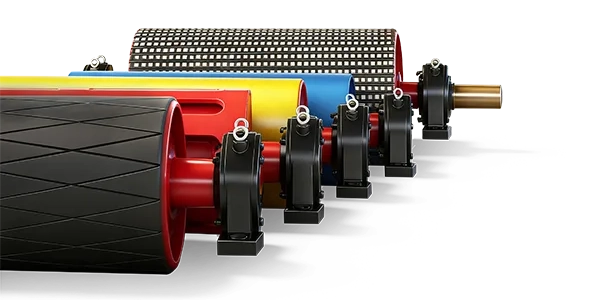
Pulley lagging is the rubber, ceramic, or polyurethane surface applied to the pulley shell to improve friction, protect the belt, reduce slip, and resist wear. When lagging becomes worn, hardened, cracked, separated, or uneven, the pulley may no longer provide stable contact with the belt.
Common signs include exposed steel shell, missing rubber sections, ceramic tile loss, uneven surface thickness, edge lifting, and visible cracking. In wet or dusty environments, poor lagging condition may increase belt slip and reduce drive efficiency. On drive pulleys, lagging failure is especially important because it directly affects traction. On bend, snub, and tail pulleys, damaged lagging may still cause belt wear, mistracking, or vibration.
If the pulley shell and shaft are still in good condition, relagging may be a practical refurbishment option. If lagging damage is caused by shell deformation, severe corrosion, or repeated belt mistracking, replacement may be the safer choice.
2. Belt Slippage or Reduced Conveyor Drive Efficiency
Belt slippage is a clear warning sign that the pulley system needs attention. It may occur when the drive pulley does not have enough friction, the belt tension is incorrect, the lagging is worn, or the pulley surface is contaminated with water, mud, oil, or fine material. Slippage generates heat, accelerates lagging wear, damages the belt bottom cover, and reduces the efficiency of the conveyor.
Operators may notice burning smells, black rubber dust, abnormal noise during start-up, or unstable belt movement under load. In some cases, the conveyor may run normally when empty but slip when fully loaded. This indicates that the pulley may no longer be able to transmit the required force under real operating conditions.
Before deciding to replace the pulley, the maintenance team should check belt tension, lagging condition, material carryback, belt cleaner performance, and drive system settings. If the main problem is surface wear, refurbishment may solve the issue. If slippage is linked to incorrect pulley design, damaged shaft, or repeated structural problems, replacement should be considered.
3. Abnormal Bearing Temperature, Noise, or Vibration
Bearings allow the conveyor pulley to rotate under load. When bearings begin to fail, the warning signs are often measurable before the pulley stops working. Rising temperature, vibration, rumbling noise, grease leakage, or metal particles in grease may indicate internal bearing damage, contamination, poor lubrication, misalignment, or excessive load.
Bearing issues do not always mean the pulley must be replaced. If the shaft journals, bearing seats, and pulley structure are still within acceptable tolerance, the pulley may be refurbished with new bearings, seals, and housings. However, if the bearing failure has damaged the shaft, enlarged the bearing seat, cracked the end disc, or caused repeated overheating, replacing the complete pulley may reduce future risk.
| Warning Sign | Possible Cause | Action |
| High bearing temperature | Poor lubrication, overload, contamination, or misalignment | Inspect bearing, seal, grease, shaft, and housing condition |
| Abnormal vibration | Imbalance, worn bearing, shell damage, or material buildup | Check pulley surface, bearing condition, and alignment |
| Grease leakage | Damaged seal, over-lubrication, or bearing housing issue | Replace seals and assess bearing condition |
4. Visible Shell Damage, Dents, Cracks, or Corrosion
The pulley shell must remain round, strong, and stable under belt tension. Visible shell damage is one of the most important signs that a pulley may need replacing or major refurbishment. Dents may appear after material impact, incorrect handling, or long-term fatigue. Cracks may form around welds, end discs, or stress concentration areas. Corrosion may reduce shell thickness and weaken structural strength.
Minor surface corrosion may be repaired through cleaning, coating, or relagging if the remaining shell thickness is acceptable. However, deep corrosion, weld cracking, shell deformation, or repeated cracking should be treated seriously. A damaged shell may create uneven belt contact, vibration, and higher bearing load. In severe cases, it may fail suddenly during operation.
Inspection advice: Do not rely only on surface appearance. Measure runout, shell thickness, shaft condition, weld integrity, and bearing seat tolerance before deciding whether refurbishment is safe.
5. Pulley Runout or Uneven Belt Contact
Runout means that the pulley does not rotate evenly around its centreline. Excessive runout may cause belt vibration, uneven belt wear, unstable tracking, and additional stress on bearings. Operators may see the belt moving up and down, hear rhythmic noise, or notice repeated belt edge wear near the same pulley position.
Runout may be caused by shell deformation, incorrect machining, shaft bending, poor installation, material buildup, or structural damage. In some cases, cleaning the pulley and correcting material buildup may solve the issue. If the shell or shaft is permanently deformed, replacement is usually more reliable than repeated adjustment.
For critical conveyors, runout should be measured during inspection rather than judged only by eyesight. A pulley that appears acceptable at low speed may create serious vibration under full operating load.
6. Repeated Belt Mistracking Near the Same Pulley
Belt mistracking can have many causes, including uneven loading, poor idler alignment, frame distortion, material buildup, and incorrect belt tension. However, if the belt repeatedly mistracks near the same pulley, the pulley should be inspected carefully.
A worn or uneven pulley surface may guide the belt to one side. A misaligned pulley can create continuous tracking pressure. A damaged bearing or bent shaft may change the pulley’s running position. If operators keep adjusting nearby idlers without solving the original cause, belt edge damage and frame wear may continue.
Repeated mistracking is not just a belt problem. It can be a sign that the pulley, shaft, bearing housing, lagging, or conveyor frame requires inspection and correction.
7. Damaged Shaft, Keyway, Locking Assembly, or Bearing Seat
The pulley shaft transfers load between the pulley shell and the support bearings. Damage to the shaft, keyway, locking assembly, or bearing seat is a strong sign that replacement may be required. Wear in these areas can reduce mechanical fit, cause vibration, and increase the risk of sudden failure.
Minor surface marks may be repairable depending on the design and tolerance. However, cracks, serious wear, looseness, bending, or repeated bearing fit problems usually indicate that the pulley is no longer reliable. In high-tension conveyors, shaft-related damage should be evaluated conservatively because the consequences of failure can be severe.
When inspecting used conveyor pulleys, maintenance teams should record shaft diameter, bearing fit condition, keyway condition, shoulder wear, end cover condition, and signs of fretting. If the pulley has already experienced bearing seizure, the shaft and housing should always be checked before reuse.
8. Excessive Material Buildup Around the Pulley
Material buildup around a conveyor pulley can create hidden mechanical problems. Sticky fines, wet coal, clay, cement powder, or aggregate dust may accumulate on the pulley face, near the shaft, or around the bearing housing. This buildup may cause imbalance, belt misalignment, abnormal wear, seal damage, and bearing contamination.
If buildup is caused mainly by poor belt cleaning or chute design, the first solution may be improving cleaners, skirting, transfer point design, or housekeeping. If the pulley surface design is unsuitable for wet or sticky material, a self-cleaning pulley, wing pulley, ceramic lagging, or improved lagging pattern may be considered. Refurbishment may be practical when the structure remains sound, but replacement may be better when buildup has caused corrosion, shell damage, or repeated bearing failure.
9. The Pulley Has Reached the End of Its Economic Life
A conveyor pulley does not need to be completely broken before it becomes uneconomical to keep in service. If the same pulley requires frequent bearing replacement, repeated relagging, emergency adjustments, or ongoing belt repair, the total maintenance cost may already exceed the value of continued repair.
The economic life of a pulley depends on working load, environment, maintenance quality, design margin, and production criticality. A pulley in a high-capacity main conveyor should be evaluated more strictly than a pulley in a low-risk auxiliary conveyor. If failure would stop the entire production line, replacement planning should happen earlier.
Questions to support the decision
- Is the pulley shell still round and structurally sound?
- Are the shaft and bearing seats still within usable tolerance?
- Is the lagging damage only superficial, or is the pulley structure affected?
- Has the same pulley caused repeated downtime or belt damage?
- Would failure at this location stop a critical production line?
Refurbish or Replace: How to Make a Practical Decision
Refurbishment can be a cost-effective choice when the pulley body is still mechanically reliable. Typical refurbishment work may include removing old lagging, cleaning the shell, repairing the surface, applying new rubber or ceramic lagging, replacing bearings and seals, repainting, and checking runout. This option is often suitable for pulleys with worn lagging but no serious structural damage.
Replacement is more appropriate when the pulley has deep corrosion, shell cracks, shaft damage, bearing seat wear, severe runout, repeated bearing failure, or design limitations that no longer match the conveyor’s operating conditions. Replacement also allows the buyer to improve pulley design, lagging type, shaft strength, bearing arrangement, sealing, and surface protection.
| Condition | Likely Option | Reason |
| Worn lagging, sound shell and shaft | Refurbish | Relagging can restore traction and belt protection. |
| Minor surface corrosion | Inspect and refurbish if safe | Coating and surface repair may extend service life. |
| Cracked shell or end disc | Replace | Structural reliability is already compromised. |
| Damaged shaft or bearing seat | Replace or major rebuild | Fit and load transfer may no longer be reliable. |
Work with a Manufacturer That Understands Heavy-Duty Pulley Applications
A reliable pulley decision requires more than a quick visual check. It requires understanding the conveyor position, belt tension, material characteristics, operating environment, and failure history. For heavy-duty projects, buyers should work with a manufacturer that can review drawings, recommend suitable pulley construction, select proper lagging, and support customized production.
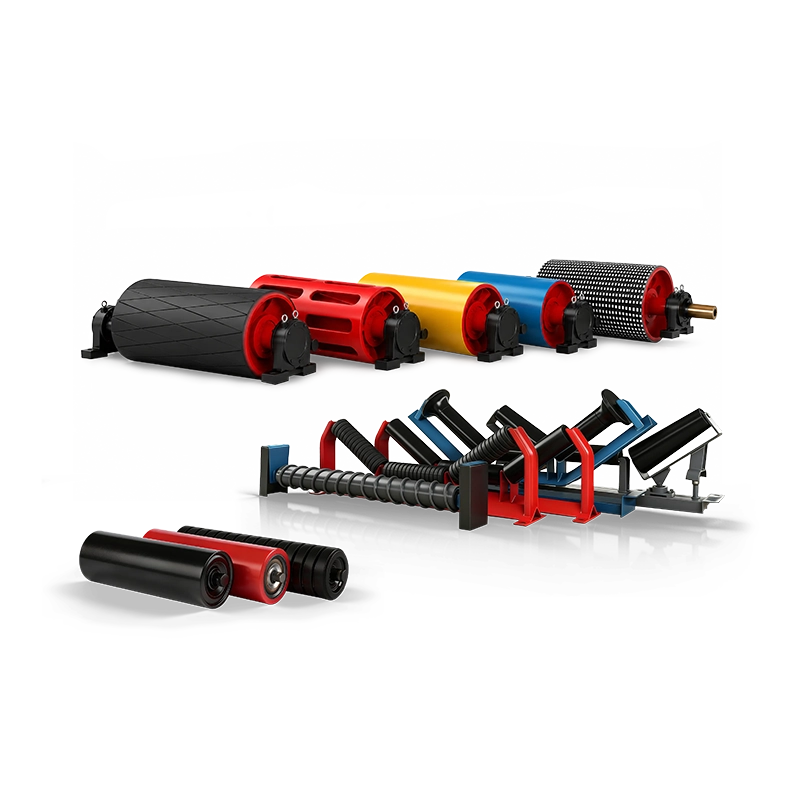
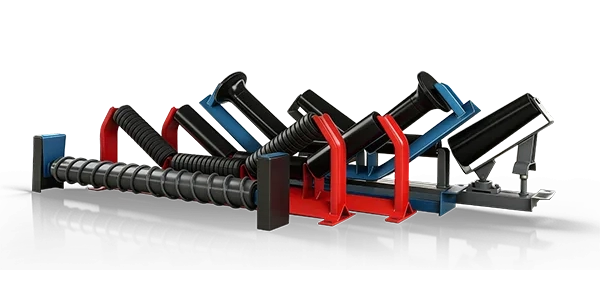
SHENGYUAN focuses on conveyor pulleys, conveyor rollers, idler sets, and related components for bulk material handling applications. For industries such as mining, coal, cement, ports, steel, power plants, aggregates, and chemicals, customized pulley design is often necessary because working conditions vary greatly from one project to another. Supplying accurate drawings, belt data, pulley position, load information, and environmental details helps the manufacturer recommend a more reliable solution.
Conclusion: Act Before Pulley Failure Becomes Expensive
A conveyor pulley usually gives warning signs before major failure occurs. Worn lagging, belt slippage, abnormal bearing temperature, vibration, shell damage, runout, repeated mistracking, material buildup, and shaft wear are all signals that the pulley needs attention. The key is to inspect early and decide whether refurbishment or replacement provides the safest and most economical result.
Refurbishment can be effective when the pulley structure remains sound and the main issue is surface wear or lagging deterioration. Replacement is the better option when structural damage, shaft problems, bearing seat wear, or repeated failures create unacceptable risk. For critical conveyors, the decision should always consider downtime cost, production importance, and long-term reliability.
Need help evaluating your conveyor pulley?
Send us your pulley drawings, photos, belt width, belt speed, pulley position, material type, and working environment. Our team can help assess whether replacement, relagging, or customized pulley manufacturing is more suitable for your conveyor system.
FAQ: Conveyor Pulley Replacement and Refurbishment
The following questions summarize common concerns from maintenance teams, engineers, and purchasing managers when deciding whether a conveyor pulley should be replaced or refurbished.