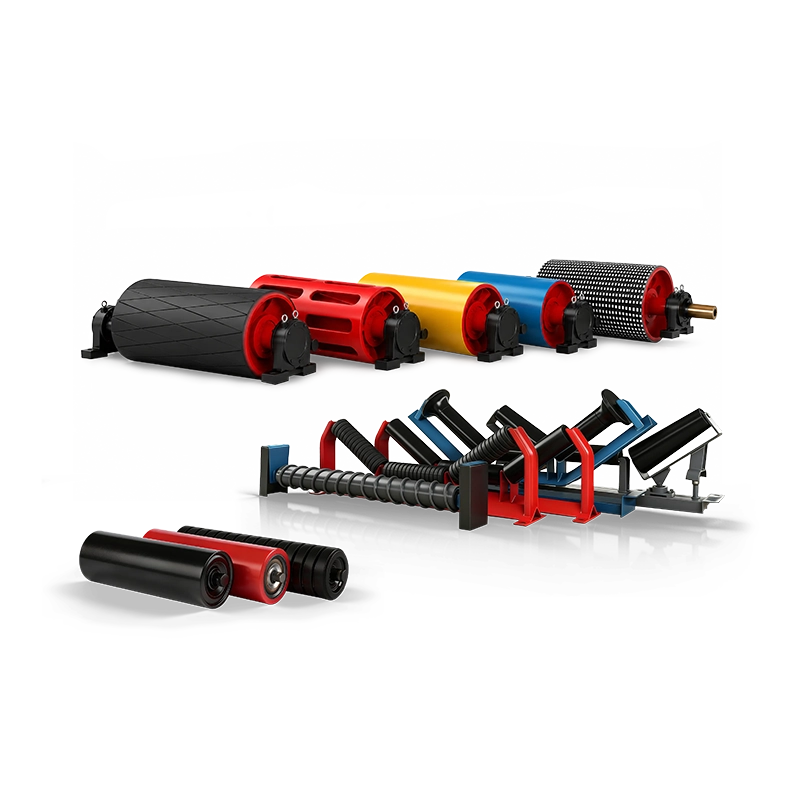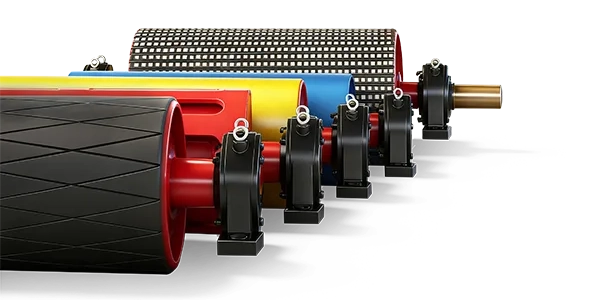

A conveyor pulley bearing failure is rarely a small maintenance issue. In a belt conveyor system, the pulley supports belt tension, transfers driving force, changes belt direction, and keeps material moving through the production line. When the bearing fails, the pulley may overheat, seize, damage the shaft, tear the belt, or stop the entire conveyor. For mines, cement plants, ports, power plants, steel mills, quarries, and bulk material handling projects, this type of failure can quickly become a production and safety risk.
The good news is that most conveyor pulley bearing failures do not happen without warning. They are usually linked to several controllable factors: incorrect selection, poor sealing, contamination, overloading, misalignment, lubrication problems, improper installation, and weak inspection routines. By understanding these causes and applying a structured prevention plan, operators can significantly reduce downtime and extend pulley service life.
Core message: Minimising conveyor pulley bearing failure is not only about choosing a better bearing. It requires correct pulley design, reliable sealing, accurate installation, proper lubrication, regular inspection, and operating discipline across the whole conveyor system.
Why Conveyor Pulley Bearings Fail
A conveyor pulley bearing works under continuous radial load, belt tension, vibration, dust, moisture, and temperature change. In many heavy-duty applications, the bearing operates for long hours with limited stopping time. If one part of the system is not properly designed or maintained, the bearing becomes a weak point.
Bearing failure usually develops in stages. At first, the bearing may show higher temperature, abnormal noise, vibration, or grease leakage. If the problem is ignored, internal wear increases. The bearing may then lose smooth rotation, damage the shaft seat, and finally cause pulley seizure or belt damage. In a typical bulk handling operation, even a few hours of downtime can affect hundreds or thousands of tons of material movement, depending on conveyor capacity.
Contamination
Dust, water, slurry, and fine particles enter the bearing area and reduce lubrication performance.
Misalignment
Pulley, shaft, bearing housing, or conveyor frame misalignment creates uneven stress.
Lubrication Failure
Too little, too much, wrong, or contaminated grease may shorten bearing life.
1. Select the Correct Bearing for the Real Working Load
The first step in reducing bearing failure is correct selection. A pulley bearing must be matched to belt tension, pulley diameter, shaft diameter, belt speed, material load, starting torque, and operating environment. In heavy-duty belt conveyors, the bearing must handle not only the static load, but also dynamic forces caused by starting, stopping, belt mistracking, material impact, and uneven loading.
A common mistake is selecting a bearing based only on shaft size or standard catalogue data. In real applications, the same shaft diameter may face very different working conditions. For example, a tail pulley in a clean indoor conveyor does not experience the same stress as a drive pulley in a high-tension mining conveyor. A bend pulley near a high-load transfer point may also face different forces from a take-up pulley in a tensioning system.
| Selection Factor | Why It Matters |
| Belt tension | Higher tension increases bearing load and shaft stress. |
| Pulley position | Drive, tail, bend, snub, and take-up pulleys work under different force conditions. |
| Belt speed | Higher speed increases rotational demand and heat generation risk. |
| Operating environment | Dust, water, heat, corrosion, and vibration require stronger sealing and protection. |
2. Use Reliable Sealing to Keep Contamination Out
Contamination is one of the most frequent causes of bearing damage in conveyor pulleys. In mining, aggregate, cement, coal, and port applications, the working environment often contains fine dust, mud, rainwater, slurry, and abrasive particles. Once these materials enter the bearing housing, they mix with grease and form a grinding paste. This accelerates internal wear and increases bearing temperature.
A reliable sealing system should be selected according to the environment. For clean indoor conveyors, a standard sealing arrangement may be enough. For outdoor heavy-duty conveyors, stronger sealing, proper labyrinth protection, effective end cover design, and suitable grease protection are more important. The bearing housing should also prevent water accumulation, especially in areas exposed to rain, washdown, or high humidity.
For harsh applications, bearing protection should be considered during pulley design, not only during maintenance. A good seal arrangement can reduce contamination before it reaches the bearing.
3. Control Alignment from Installation to Operation
Misalignment places uneven load on the bearing. If the pulley shaft, bearing housings, conveyor frame, or belt line is not correctly aligned, one side of the bearing may carry more load than designed. This can cause abnormal vibration, higher temperature, and early fatigue.
Alignment should be checked during installation and after the conveyor has been operating under load. In real projects, structures may settle, bolts may loosen, frames may deform, and belt tension may change. A pulley that was aligned during installation may become misaligned after weeks or months of operation if the surrounding structure is not stable.
Good alignment practice includes checking shaft level, bearing housing position, pulley face runout, belt tracking, frame squareness, and take-up movement. When the belt consistently runs to one side, operators should not simply increase local adjustment. They should investigate whether pulley alignment, idler alignment, loading position, or material buildup is causing the problem.
4. Apply the Right Lubrication Strategy
Lubrication reduces friction, carries away heat, protects against corrosion, and helps prevent direct metal-to-metal contact inside the bearing. However, lubrication only works when the grease type, amount, interval, and application method are correct.
Under-lubrication can cause heat and wear. Over-lubrication can also create problems because excessive grease may increase churning resistance and temperature. Using the wrong grease may reduce protection under high load, high temperature, water exposure, or dusty conditions. Mixing incompatible greases can also reduce lubrication performance.
Practical lubrication checks
- Use grease suitable for load, speed, temperature, and moisture conditions.
- Follow a defined lubrication interval instead of relying only on experience.
- Keep grease guns, fittings, and storage containers clean.
- Avoid mixing grease types unless compatibility has been confirmed.
- Record lubrication date, quantity, bearing position, and inspection result.
5. Reduce Overload and Abnormal Belt Tension
Bearing life is closely related to load. If the conveyor regularly operates above its design capacity, the pulley bearing will carry higher stress. Overload may come from excessive material feed, material buildup, belt jam, incorrect take-up tension, or sudden impact at transfer points.
High belt tension is especially important for drive pulleys and take-up pulleys. Too little tension may cause belt slip, heat, and lagging wear. Too much tension may overload bearings, shafts, pulleys, and the conveyor structure. The correct tension should allow stable traction without applying unnecessary load to the pulley system.
In one typical bulk material handling case, a conveyor designed for stable continuous feeding began to experience repeated bearing overheating after production output increased. The bearing itself was not the only issue. The root cause was higher-than-planned material volume, uneven loading at the transfer chute, and additional belt tracking correction force. After feed control and alignment were improved, bearing temperature returned to a safer range. This shows why bearing failure should be analysed as a system problem, not only as a component problem.
6. Prevent Material Buildup Around the Pulley
Material buildup on the pulley face, shaft area, or bearing housing can create additional load and vibration. Sticky materials, wet fines, coal dust, cement powder, and clay-like materials may accumulate around return belts and tail pulleys. If the buildup is uneven, the pulley may rotate with imbalance, which increases bearing stress.
To reduce this risk, the conveyor should use suitable belt cleaners, skirt sealing, chute design, and housekeeping procedures. Self-cleaning pulley designs, wing pulleys, ceramic lagging, rubber lagging, or improved scraper systems may be considered depending on the working condition. The goal is to prevent material from creating hidden load on the rotating system.
Maintenance insight: If bearing failure repeatedly occurs at the same pulley position, inspect the surrounding material flow, belt cleaning, chute loading, and frame condition. Replacing the bearing alone may not solve the root cause.
7. Improve Installation Quality and Handling Procedures
Even a high-quality bearing can fail early if it is damaged during installation. Bearing installation requires clean handling, proper tools, correct mounting force, and suitable fit between the bearing, shaft, and housing. Hammering directly on the bearing, forcing misaligned parts together, contaminating the bearing during assembly, or damaging the seal can all shorten service life.
Pulley storage and transport should also be controlled. Large conveyor pulleys are heavy components. If they are dropped, stored outdoors without protection, or handled by the shaft ends incorrectly, hidden damage may occur before installation. Proper packaging, lifting points, rust protection, and inspection before installation are necessary for export projects and long-distance transportation.
| Installation Risk | Recommended Control |
| Contaminated assembly area | Keep bearings, housings, grease, and tools clean before assembly. |
| Incorrect mounting force | Use proper mounting tools and avoid direct impact on bearing surfaces. |
| Loose foundation bolts | Check bolt torque and frame stability after initial operation. |
| Poor transport protection | Use suitable packaging, lifting, and moisture protection before delivery. |
8. Build a Preventive Inspection Program
The most effective maintenance teams do not wait for bearing failure. They monitor early signs and respond before the bearing reaches a critical condition. A preventive inspection program should be simple enough to follow, but structured enough to identify changes over time.
Key inspection items include bearing temperature, vibration, abnormal sound, grease condition, seal damage, pulley runout, belt tracking, material buildup, bolt looseness, and housing condition. Temperature should be compared against historical readings at the same pulley position, not only judged by one measurement. A sudden increase is often more important than the absolute value.
Daily Observation
Listen for abnormal noise, check visible leakage, and look for belt mistracking or material buildup.
Scheduled Inspection
Record temperature, vibration, grease condition, fasteners, and bearing housing condition.
Root Cause Review
When failure occurs, review load, alignment, sealing, lubrication, and surrounding conveyor conditions.
9. Specify Quality Requirements When Purchasing Conveyor Pulleys
Bearing reliability begins before the pulley is installed. Buyers should clearly specify working conditions and quality requirements during procurement. This includes belt width, belt speed, pulley type, shaft diameter, bearing model, bearing housing design, lagging type, sealing requirement, coating system, operating environment, and applicable standards.
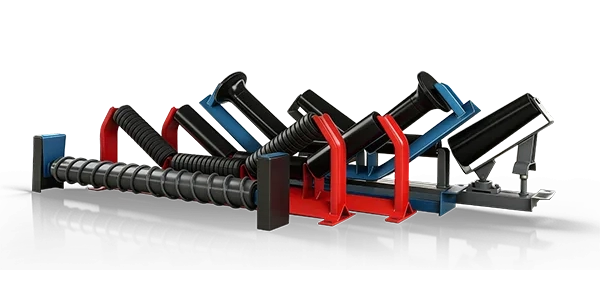
For projects involving mining, ports, cement, coal, power plants, steel plants, and aggregate handling, it is important to work with a pulley manufacturer that understands heavy-duty bulk material handling. SHENGYUAN provides conveyor pulleys, conveyor rollers, idler sets, and related components for demanding conveying applications, with support for drawing-based customization and project-specific requirements.
When purchasing, buyers should not compare only pulley diameter and price. Bearing brand options, seal structure, shaft material, welding quality, dynamic balance, lagging quality, inspection process, packaging, and after-sales communication all influence long-term reliability. A slightly lower initial price may not be economical if bearing failure causes unplanned shutdowns.
Useful purchasing checklist
- Confirm pulley position: drive, tail, bend, snub, take-up, or self-cleaning pulley.
- Provide belt width, belt speed, belt tension, and material information.
- Confirm bearing model, housing type, seal design, and lubrication method.
- Specify operating environment, including dust, moisture, corrosion, and temperature.
- Request inspection details for shaft, weld, runout, lagging, and assembly quality.
Conclusion: Bearing Reliability Comes from System Control
To minimise the risk of conveyor pulley bearing failure, operators should treat the bearing as part of a complete conveyor system. Correct bearing selection, strong sealing, proper lubrication, accurate alignment, controlled belt tension, clean operation, careful installation, and regular inspection all work together. If one of these areas is ignored, the bearing may become the first component to show the problem.
For business decision-makers, the key point is clear: bearing failure prevention is an investment in production stability. A reliable conveyor pulley reduces emergency maintenance, protects the belt, extends component life, and helps maintain continuous material flow. Instead of waiting for repeated failures, it is more effective to review the pulley design, working condition, and maintenance process before problems become costly.
Need a conveyor pulley solution for a heavy-duty project?
Send us your pulley drawings, belt width, belt speed, load condition, working environment, and bearing requirements. Our team can help review your application and provide a suitable conveyor pulley quotation for your bulk material handling system.
FAQ: Conveyor Pulley Bearing Failure
The following questions summarize common concerns from plant operators, engineers, and purchasing teams when dealing with conveyor pulley bearing reliability.