
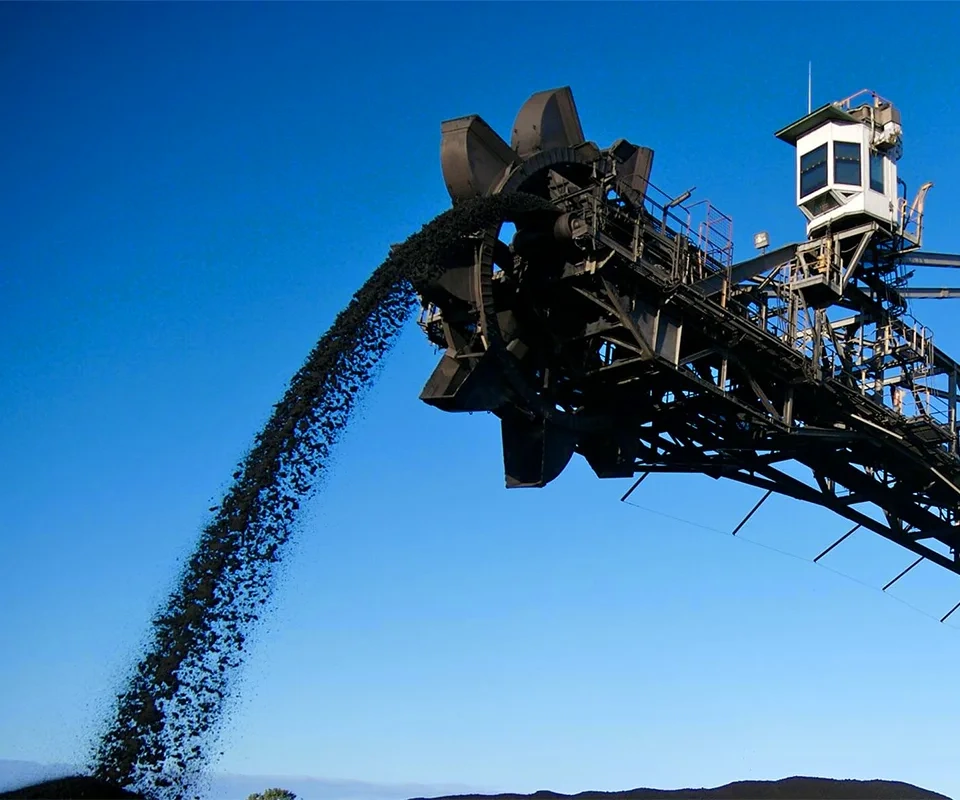
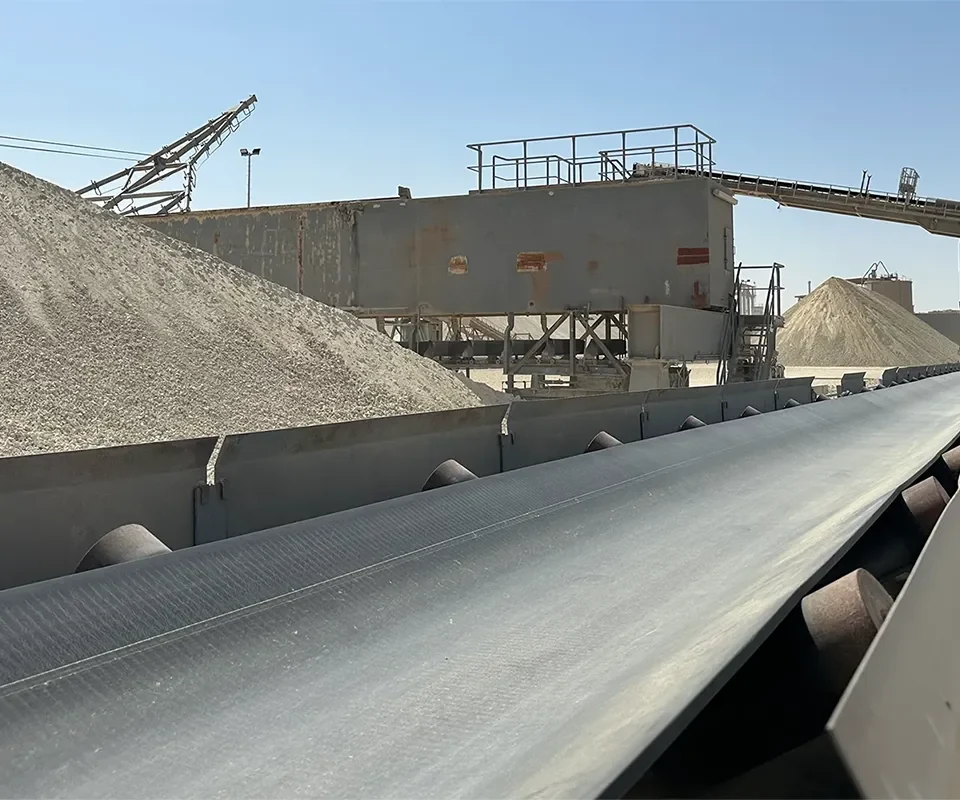
Heavy-duty belt conveyors operate under conditions that are very different from light warehouse conveyors. They may carry coal, ore, limestone, aggregate, cement clinker, fertilizer, salt, or other bulk materials for long distances and long operating hours. In this environment, conveyor rollers are not simple rotating supports. They influence belt stability, energy consumption, material spillage, maintenance frequency, and the reliability of the entire conveying system.
Choosing conveyor rollers for heavy-duty belt conveyors requires a clear understanding of load, belt width, belt speed, material characteristics, working environment, bearing quality, sealing structure, and installation position. A roller that performs well in a clean indoor system may fail quickly in a dusty mine, wet port, or high-impact quarry loading zone. Therefore, roller selection should be treated as an engineering and business decision, not only a spare parts purchase.
Quick answer: To choose conveyor rollers for heavy-duty belt conveyors, match the roller type, diameter, shell thickness, shaft size, bearing capacity, seal design, and surface material with the actual load, belt speed, conveyed material, and working environment.
Understand the Roller Position First
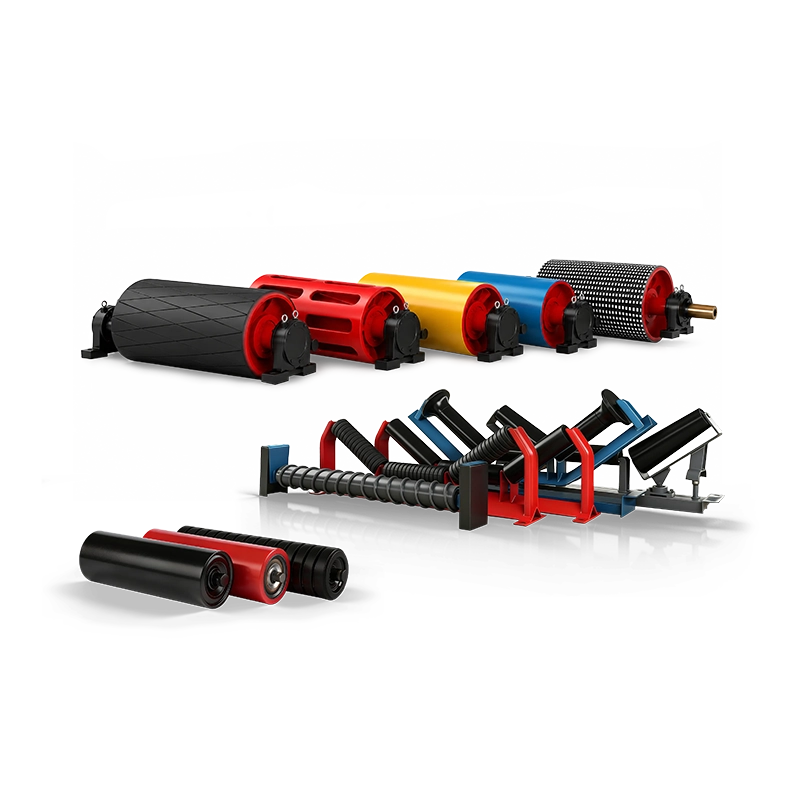
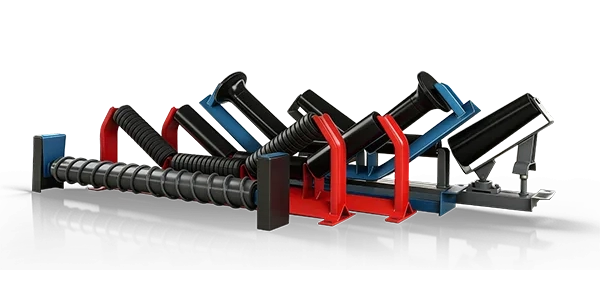
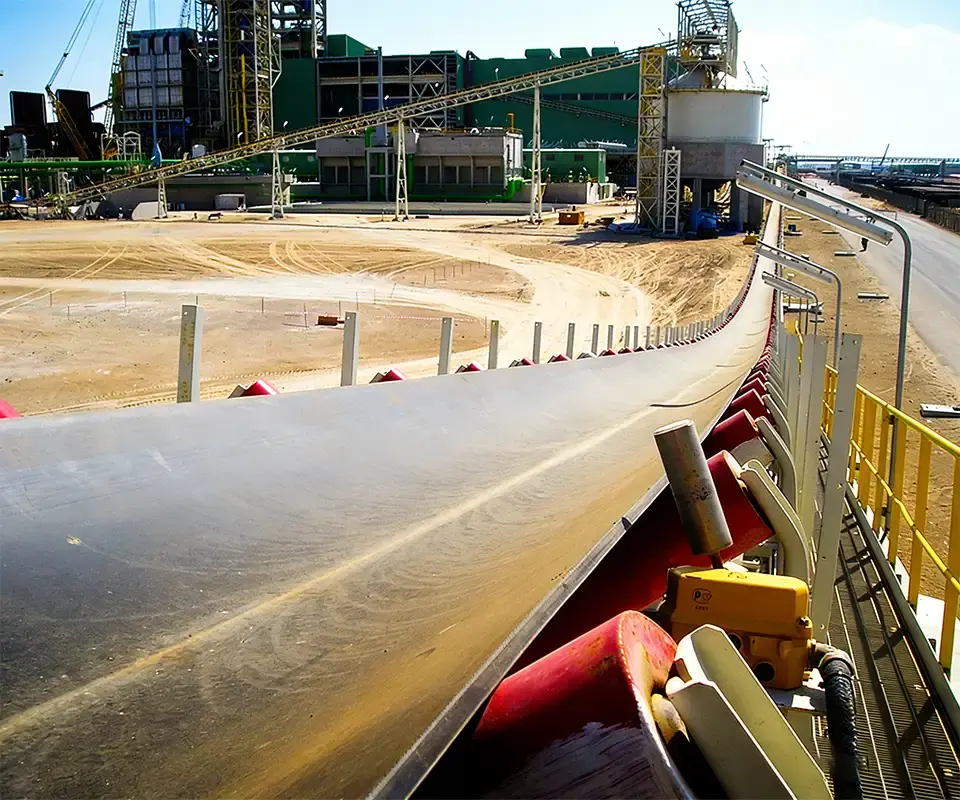
Different roller positions require different designs. Carrying rollers support the loaded belt and must handle the weight of the belt and material. Return rollers support the empty belt on the return side. Impact rollers are installed at loading points to absorb shock from falling material. Training rollers or self-aligning rollers help correct minor belt mistracking. Spiral return rollers and rubber disc return rollers help reduce sticky material buildup on the return belt.
Before requesting a quotation, buyers should confirm whether the roller is used on the carrying side, return side, loading zone, transition area, or belt tracking section. A roller selected only by diameter and length may not be suitable if its working position is not considered. For example, an impact roller needs a stronger rubber ring structure, while a return roller in a sticky material application may need a self-cleaning surface design.
| Roller Type | Main Function | Typical Use |
| Carrying Roller | Supports loaded belt and material | Main conveying section |
| Return Roller | Supports empty return belt | Return side |
| Impact Roller | Absorbs material impact | Loading and transfer points |
| Training Roller | Helps correct belt deviation | Tracking-sensitive areas |
Match Roller Strength with Load and Belt Speed
Heavy-duty belt conveyors often carry dense and abrasive materials. The roller must support not only average material weight but also dynamic forces caused by uneven feeding, vibration, belt sag, impact, and start-stop operation. If roller load capacity is too low, the shell may deform, the shaft may bend, or the bearing may fail early.
Roller diameter also matters. Larger diameter rollers rotate fewer times over the same belt travel distance, which can help reduce bearing stress in high-speed systems. However, larger rollers require suitable frame space and may increase cost. Shell thickness, shaft diameter, bearing model, and roller spacing should be selected together rather than separately.
Prioritize Bearing and Sealing Quality
Bearings are the core of conveyor roller reliability. In mining, cement, quarry, coal, and port applications, dust, mud, water, and fine particles can enter the roller if the sealing structure is weak. Once contamination reaches the bearing, lubrication performance decreases and rotation resistance increases. A seized roller may damage the belt surface and create additional power consumption.
For heavy-duty systems, buyers should ask about bearing capacity, sealing structure, grease type, rotation resistance, axial movement, and inspection standards. Good bearing protection may cost more at the beginning, but it usually reduces maintenance pressure and extends service life.
If rollers fail repeatedly in the same area, inspect the surrounding system. The real cause may be impact load, material carryback, misalignment, corrosion, or incorrect roller spacing rather than the roller alone.
Choose the Right Surface Material
Steel conveyor rollers are widely used in heavy-duty applications because they offer strength and load capacity. HDPE conveyor rollers may be suitable where lower weight, corrosion resistance, or reduced noise is important. Rubber impact rollers protect the belt at loading points. Rubber disc return rollers and spiral return rollers help manage sticky carryback material.
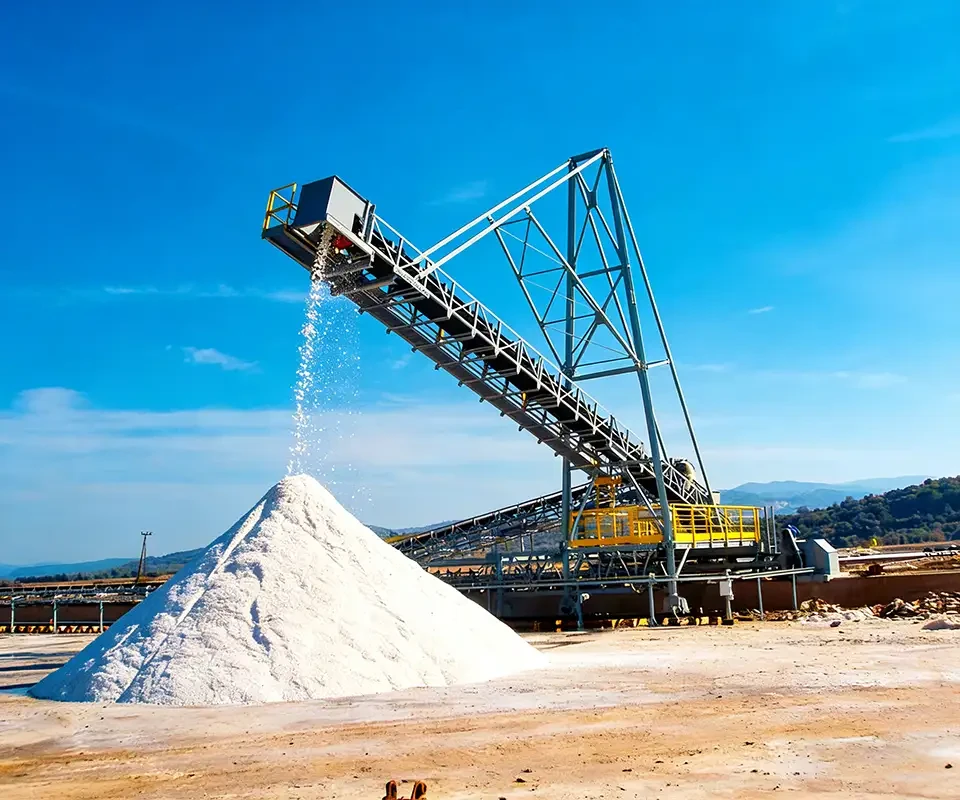
The correct material depends on the conveyed material and working environment. For abrasive stone or ore, wear resistance is important. For wet salt or chemical handling, corrosion protection is important. For cement plants, dust sealing is critical. For ports, moisture and long-distance logistics packaging should also be considered.
Industrial Applications and Selection Examples
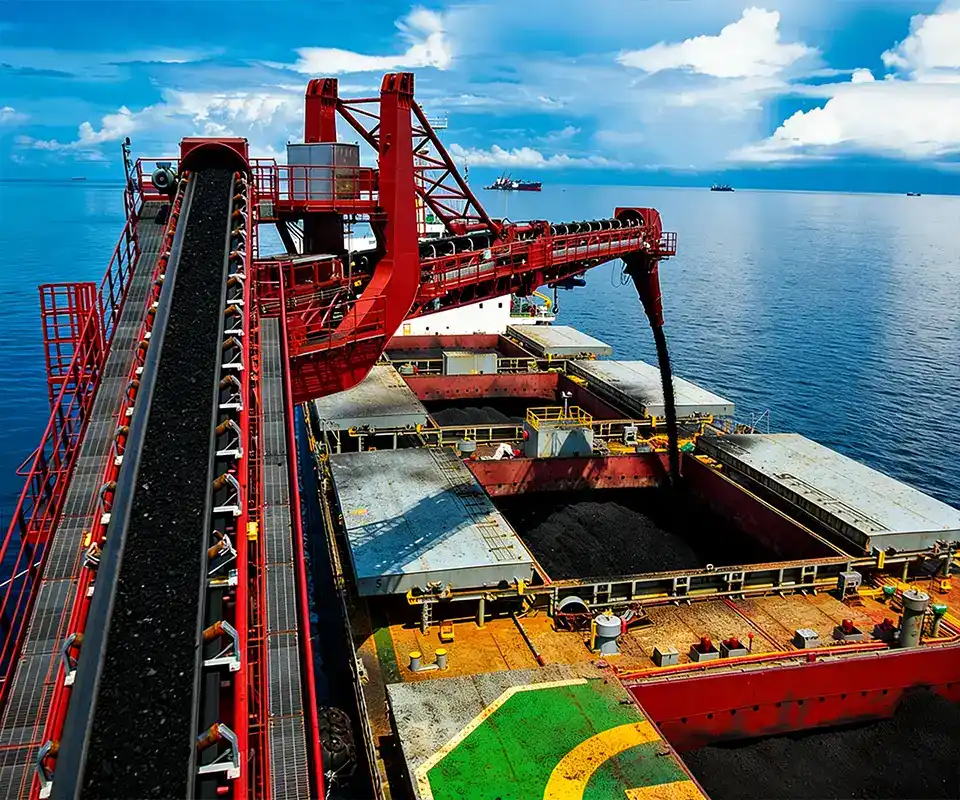
In a mining conveyor, carrying rollers and impact rollers must handle heavy loads, dust, and long operating hours. In a cement plant, rollers must resist fine powder contamination and abrasion. In a port bulk handling system, rollers often need stable performance under high-capacity loading and outdoor moisture. In a quarry conveyor, impact rollers and return rollers are often exposed to sharp material, vibration, and carryback.
For buyers who need industrial conveyor components, conveyor rollers should be reviewed together with belt width, material type, conveyor layout, and maintenance conditions. If standard sizes do not fit the project, custom conveyor solutions can help match drawings, shaft ends, bearing options, and installation space.
Working with SHENGYUAN
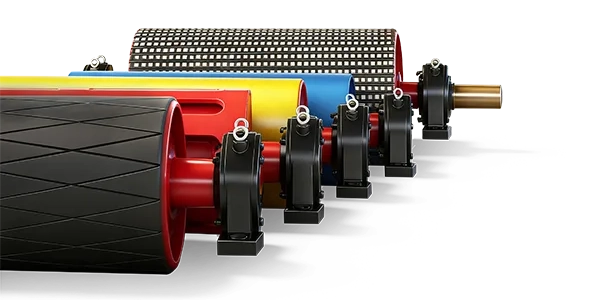
SHENGYUAN focuses on conveyor rollers, conveyor pulleys, idler sets, and related conveyor components for heavy-duty bulk material handling systems. For mining, coal, cement, ports, steel plants, power plants, aggregates, and chemical handling, the company can support drawing-based production and customized roller solutions according to project requirements.
For export projects, packaging, delivery, and communication also influence the purchasing experience. Buyers can review service and logistics support when planning bulk orders or replacement roller shipments.
Conclusion
Choosing conveyor rollers for heavy-duty belt conveyors requires more than selecting a size from a catalogue. The roller type, load capacity, bearing quality, sealing design, material, surface structure, and installation position must all match the working condition. The right roller improves belt support, reduces maintenance, protects the conveyor belt, and supports stable production.
Need heavy-duty conveyor rollers?
Send your belt width, belt speed, material type, roller drawings, installation position, and working environment. SHENGYUAN can recommend carrying rollers, return rollers, impact rollers, training rollers, or customized idler solutions for your belt conveyor system.