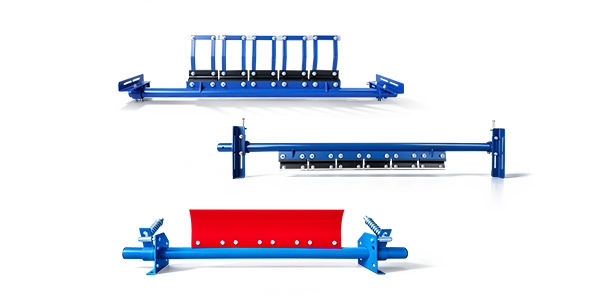



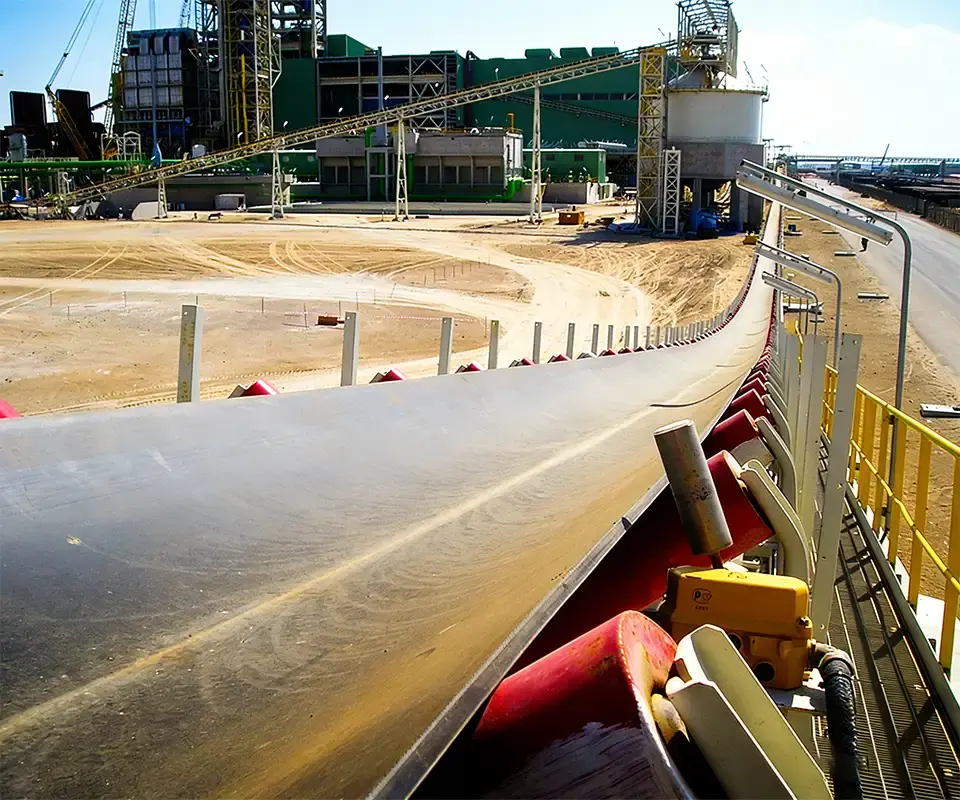

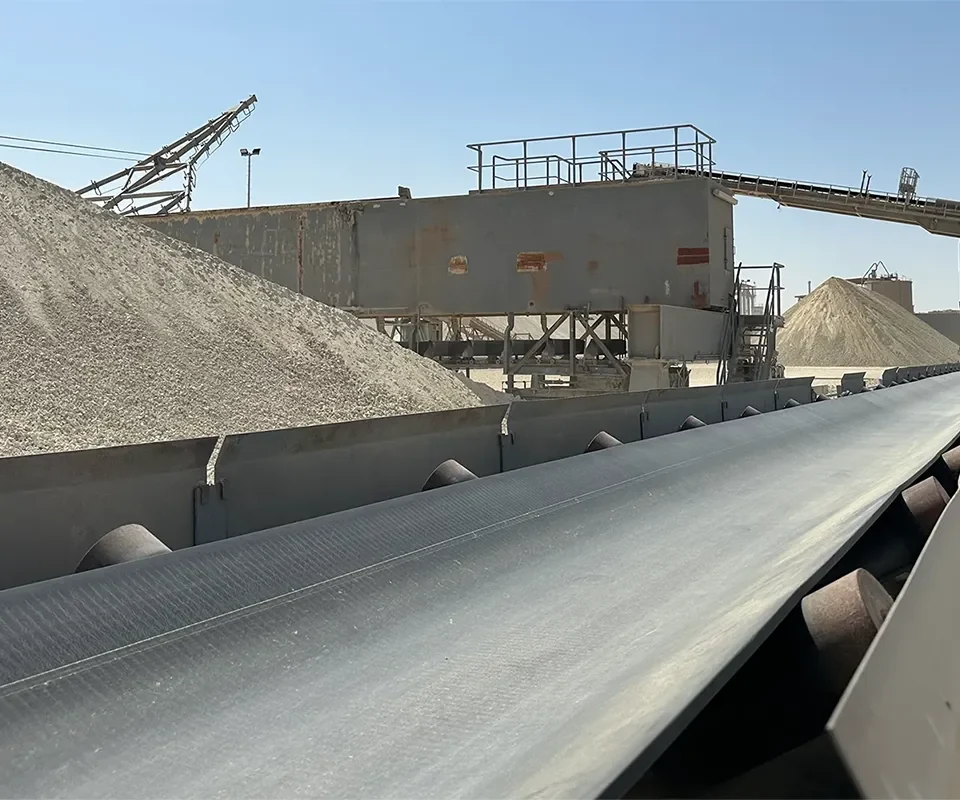
Belt cleaner blades are essential wear components in industrial conveyor systems. They remove residual material from the conveyor belt, reduce carryback, limit material buildup on return rollers and pulleys, and help maintain a cleaner operating environment. In mining, quarrying, coal handling, cement plants, ports, and other bulk-material facilities, selecting and replacing the correct belt cleaner blades can directly influence conveyor reliability and maintenance costs.
Although replacement blades may appear straightforward to purchase, compatibility problems are common. Two blades with similar dimensions may use different mounting systems, working-edge profiles, material grades, or contact arrangements. An incorrect blade can produce uneven cleaning, excessive friction, premature wear, or damage to the conveyor belt.
Another important consideration is replacement history. Without accurate records of blade dimensions, materials, installation dates, wear conditions, and operating performance, procurement teams may repeatedly purchase unsuitable components or struggle to forecast spare-parts requirements.
A reliable procurement strategy should combine blade fit, mounting compatibility, effective contact width, blade material, operating conditions, tensioner requirements, inspection procedures, and replacement records.
Quick answer: When buying replacement belt cleaner blades, confirm the existing cleaner manufacturer and model, blade location, belt width, effective cleaning width, blade profile, material, mounting dimensions, and tensioner compatibility. Check belt speed, splice type, material abrasiveness, moisture, and operating direction. Maintain replacement records showing the blade part number, installation date, operating hours, measured wear, adjustment history, and reason for replacement. These details help improve compatibility, cleaning performance, and purchasing accuracy.
Why Belt Cleaner Blade Procurement Matters
After material passes around a conveyor discharge pulley, some particles may remain attached to the belt surface. This remaining material is commonly called carryback.
Carryback can fall from the return strand, accumulate beneath the conveyor, and build up on return rollers or other equipment. Over time, this may contribute to mistracking, additional maintenance, material loss, and housekeeping problems.
Belt cleaner blades remove a portion of this residual material through controlled contact with the belt surface. Their effectiveness depends on the blade material, contact geometry, applied force, belt condition, and characteristics of the conveyed material.
A suitable blade helps maintain cleaning performance without applying unnecessary pressure or creating unacceptable wear on the conveyor belt.
1. Identify the Existing Belt Cleaner Type
Before purchasing replacement blades, identify the position and function of the existing belt cleaner assembly.
Primary Belt Cleaner
A primary cleaner is commonly positioned at the head pulley, where the belt is supported by the pulley surface. Its purpose is to remove much of the residual bulk material immediately after discharge.
Polyurethane blades are widely used for primary cleaning because their flexibility and wear characteristics can suit many industrial applications.
Secondary Belt Cleaner
A secondary cleaner is generally installed after the belt leaves the head pulley, at a location designed to remove remaining fines and carryback.
Secondary cleaners may use polyurethane, tungsten carbide-tipped, or other engineered blade arrangements depending on the system. The available belt support and cleaner mounting position are especially important.
Return Belt Plough
A return belt plough is a different type of cleaning device, commonly installed to remove stray material from the non-carrying side of the belt before it reaches a pulley.
Plough blades should not be assumed interchangeable with conventional primary or secondary scraper blades.
| Cleaner Type | Typical Position | Procurement Priority |
| Primary Cleaner | Head pulley discharge area | Blade geometry, pulley contact, and material suitability |
| Secondary Cleaner | Return side after head pulley | Blade edge, belt support, splice compatibility, tensioning |
| Return Belt Plough | Non-carrying side before selected pulleys | Blade shape, mounting arrangement, and belt clearance |
2. Confirm Blade Fit Before Comparing Prices
Fit compatibility is one of the most important requirements when purchasing replacement belt cleaner blades.
Different cleaner manufacturers use proprietary or model-specific blade mounting systems. Even when two blades have the same overall length, they may not fit the same crossbar, cartridge, locking rail, or mounting bracket.
Start by recording the existing cleaner manufacturer, model, part number, blade style, and mounting configuration. Where identification plates or original drawings are available, include them in the purchasing documentation.
If the original model cannot be identified, take accurate measurements and provide photographs of both the blade and the complete mounting assembly.
Buying principle: A replacement blade should be treated as compatible only when its mounting interface, installed geometry, working edge, material properties, and tensioning requirements have been verified. Matching the nominal blade length alone is insufficient.
3. Measure the Blade Mounting Dimensions
For replacement projects, mounting dimensions should be recorded in a clear drawing or measurement sheet.
Important dimensions may include the overall blade length, height, thickness, base profile, mounting groove, bolt-hole positions, fastening arrangement, and the location of the working edge relative to the support structure.
For segmented blades, confirm the individual segment width, segment quantity, total assembled width, and any spacing between segments.
The supplier should also understand how the blade is installed and removed. A blade that fits the mounting rail but cannot be inserted because of surrounding equipment may not be practical for the installation.
4. Understand Effective Blade Contact Width
One of the most common procurement mistakes is assuming that belt cleaner contact width must always equal nominal conveyor belt width.
The effective cleaning width is the portion of the belt surface intended to be contacted by the blade’s working edge. It may differ from the nominal belt width because of the material-carrying area, belt tracking allowance, edge condition, and the cleaner manufacturer’s design.
For example, a conveyor with a nominal belt width of 1000 mm does not automatically require a blade providing 1000 mm of continuous contact. The appropriate working width must be established from the cleaner arrangement and the actual area requiring cleaning.
A blade that is too narrow may leave persistent carryback along the outer portions of the material path. A blade that is too wide may create undesirable contact near the belt edges, particularly where tracking varies.
For segmented cleaners, the total nominal assembly width and the combined effective working-edge width may also differ.
RFQ requirement: Specify nominal belt width, observed tracking movement, material-carrying width, required effective cleaning width, and the existing blade’s overall dimensions. Ask the supplier to confirm the proposed contact coverage rather than automatically matching blade length to belt width.
5. Choose the Correct Blade Material
Belt cleaner blades are available in different materials. Polyurethane and tungsten carbide are widely used, but their suitability depends on the cleaner design and conveyor operating conditions.
Polyurethane Cleaner Blades
Polyurethane blades provide a combination of flexibility, wear resistance, and resilience. They are commonly selected for primary cleaners and may also be used in other cleaning arrangements.
The polyurethane formulation and hardness should be selected according to the conveyed material, operating temperature, cleaning pressure, and mechanical configuration.
Tungsten Carbide Cleaner Blades
Tungsten carbide-tipped blades provide a hard, wear-resistant cleaning edge and are commonly used in appropriately designed secondary cleaning systems.
However, carbide blades require careful consideration of belt condition, splice type, contact force, mounting geometry, and edge design. They should not be treated as a universal upgrade for every polyurethane blade.
| Feature | Polyurethane | Tungsten Carbide-Tipped |
| Flexibility | Generally more flexible | Hard working edge; flexibility depends on holder |
| Abrasion Resistance | Depends on formulation and duty | High edge wear resistance in suitable service |
| Typical Application | Primary and selected secondary cleaners | Compatible secondary cleaning systems |
| Important Risk | Excessive wear or deformation if unsuitable | Potential belt or splice damage if incorrectly selected or installed |
6. Match the Blade to the Conveyed Material
Different bulk materials create different cleaning challenges. Dry coal fines, wet iron ore, sticky clay, limestone dust, cement powder, and abrasive aggregates do not behave identically at the cleaning contact point.
Abrasive materials can accelerate blade wear. Sticky or moist materials may require a cleaning arrangement capable of removing deposits without excessive pressure. Chemical exposure, elevated temperatures, or oily substances can also influence material selection.
For procurement, provide the material type, bulk density, moisture condition, temperature, abrasiveness, and any unusual contamination affecting the conveyor belt.
Where a blade has failed prematurely, describe the actual wear or damage rather than simply requesting a harder material.
7. Check Belt Surface and Splice Compatibility
The blade must be compatible with the condition and construction of the belt it contacts.
A smooth rubber conveyor belt generally provides a more predictable cleaning surface than a heavily damaged belt or one with raised profiles. Mechanical fasteners, protruding splices, surface repairs, and damaged belt edges can interfere with the cleaner blade.
Hard-edged cleaning blades require particular care where mechanical fasteners are present. The scraper manufacturer should confirm whether its design can safely operate with the specific splice arrangement.
Chevron and other patterned belts may require specialized cleaning equipment because conventional flat scraper blades cannot always follow the raised belt surface correctly.
Do not change the blade material or geometry without checking belt and splice compatibility.
8. Confirm Contact Angle and Tensioner Compatibility
A belt cleaner blade must contact the belt at the intended angle and under controlled force. Both conditions are influenced by the cleaner’s mounting structure and tensioning mechanism.
Spring, torsion, pneumatic, and other tensioning systems may be used depending on the cleaner design. The tensioner must maintain the intended working position as the blade wears.
Insufficient contact force may allow material to pass beneath the blade. Excessive force can increase friction, accelerate blade wear, and potentially damage the belt or cleaner assembly.
For replacement procurement, confirm the blade’s installed height, expected wear travel, required tensioning range, and manufacturer’s adjustment procedure.
A compatible blade should work with the existing tensioner throughout its approved service life, not only when it is new.
9. Consider Reversing and Variable-Speed Conveyors
Some conveyors operate in both directions, while others experience frequent starts, stops, or variations in belt speed.
These conditions can influence blade contact geometry and stability. A cleaner designed for one direction of travel may not be suitable for reversing operation.
When purchasing replacement blades, identify whether the belt reverses and confirm that the proposed cleaner arrangement is approved for that operation.
Operating speed should also be provided so the supplier can evaluate the blade material, contact configuration, and temperature-related performance.
10. Establish Replacement Criteria Based on Actual Wear
Blade replacement should be based on condition and the manufacturer’s wear limits rather than a universal calendar interval.
Important observations include working-edge wear, uneven material loss, cracks, chipped carbide tips, separation between materials, permanent deformation, and insufficient remaining adjustment travel.
If the blade approaches its specified wear limit, replacement should be planned before the underlying holder or mounting structure can contact the moving belt.
Repeated abnormal wear should trigger an investigation into contact pressure, belt tracking, material conditions, mounting geometry, and tensioner condition.
11. Maintain Accurate Blade Replacement Records
Replacement records are valuable because they connect component purchasing with actual operating performance.
Without historical records, maintenance teams may not know whether a blade lasted three months or twelve months under comparable conditions. Procurement teams may also struggle to determine how many spare blades should be ordered before the next shutdown.
A consistent record should identify the conveyor, cleaner location, blade model, blade material, dimensions, installation date, removal date, operating hours where available, and reason for replacement.
| Record Field | Information to Record |
| Conveyor Identification | Conveyor number, location, cleaner position |
| Blade Identification | Manufacturer, model, part number, batch number |
| Blade Specification | Material, dimensions, effective contact width |
| Installation Record | Date, installation personnel, adjustment condition |
| Operating History | Running hours, throughput where available, material changes |
| Wear Inspection | Wear condition, photographs, remaining adjustment range |
| Replacement Reason | Normal wear, breakage, loss of cleaning performance, other cause |
Where operating hours are unavailable, record calendar duration together with actual operating conditions. This helps prevent misleading comparisons between conveyors with different duty cycles.
12. Use Replacement History to Compare Blade Performance
Replacement records can reveal whether a new blade material or supplier has improved performance under comparable operating conditions.
For example, compare service hours, processed tonnage, cleaning effectiveness, wear pattern, and maintenance frequency rather than simply comparing purchase cost or calendar lifespan.
A longer-lasting blade may not be the better choice if it provides poor cleaning or creates abnormal wear on the conveyor belt. Similarly, a blade that is replaced more frequently may still be suitable where high abrasion and severe operating conditions are unavoidable.
Record significant changes such as different conveyed material, belt replacement, altered tensioning, or modified cleaner position. These changes affect how replacement results should be interpreted.
13. Plan Spare Blade Inventory and Procurement Lead Times
Industrial facilities may operate multiple conveyors with different belt widths and cleaner designs. Without standardized blade identification, spare-parts purchasing can become complicated.
Create a parts list linking each conveyor and cleaner model to its approved replacement blade. Include quantities per complete cleaner assembly and the supplier’s manufacturing or delivery lead time.
Stock quantities should reflect actual replacement consumption, failure risk, shutdown schedules, and the time required to replenish inventory.
For imported replacement blades, allow for production, packing, freight, customs clearance, and domestic delivery. Where critical equipment depends on a specialized blade, maintaining suitable strategic stock can reduce downtime risk.
14. Inspect Replacement Blades Before Installation
Incoming inspection helps identify incorrect or damaged parts before a planned maintenance shutdown begins.
Check the part number, material description, overall dimensions, mounting interfaces, segment quantity, and working-edge condition against the approved purchase specification.
Polyurethane blades should be checked for visible cracks, deformation, molding defects, and damage. Carbide-tipped blades should be inspected for chipped tips, cracked inserts, or insecure tip attachments, according to the applicable design.
For large or first-time orders, sample installation or fit verification may help confirm compatibility before releasing the remaining quantity for use.
15. Coordinate Blade Replacement with Cleaner Maintenance
Replacing a worn blade is an opportunity to inspect the complete cleaner assembly.
Check the mounting shaft, brackets, tensioner, springs, locking components, pivots, corrosion, and available adjustment travel. A new blade installed on a damaged or incorrectly adjusted assembly may perform poorly from the beginning.
Also inspect the belt contact area, splice condition, head pulley, discharge chute, and material buildup around the cleaner.
Blade inspection and replacement must follow the site’s approved conveyor isolation and stored-energy-control procedures. Personnel should not adjust, handle, or clean blades in contact with a moving belt.
For a broader understanding of the equipment surrounding belt cleaners, see the Belt Conveyor Components Guide.
16. Identify the Causes of Uneven Blade Wear
Uneven wear can indicate that the blade is not contacting the belt correctly or that operating conditions differ across the belt width.
Possible causes include incorrect installation angle, uneven tensioning, damaged cleaner brackets, belt mistracking, localized belt surface wear, and nonuniform material carryback.
Where the blade wears rapidly at one end, inspect whether the cleaner assembly is properly aligned relative to the belt. Where individual carbide segments chip repeatedly, investigate belt joints, contact force, impact, and segment movement.
Replacing the same blade without correcting the underlying issue may lead to repeated failures and unnecessary purchasing costs.
Common Belt Cleaner Blade Procurement Mistakes
Mistake 1: Ordering by Belt Width Alone
The cleaner’s effective contact width and blade mounting dimensions may differ from nominal belt width.
Mistake 2: Ignoring Mounting Compatibility
Similar-looking blades may use different bases, grooves, locking systems, and installed geometries.
Mistake 3: Replacing Polyurethane with Carbide Without Review
Blade hardness alone does not establish suitability. Belt condition, splice compatibility, cleaner geometry, and tensioning must be checked.
Mistake 4: Applying Excessive Contact Pressure
Excessive pressure can accelerate wear and may damage the belt or cleaner assembly. Adjustment should follow the manufacturer’s procedure.
Mistake 5: Replacing Blades Without Recording Their Performance
Missing records make it difficult to compare suppliers, forecast demand, or identify recurring failure patterns.
Mistake 6: Ignoring the Condition of the Tensioner
A new blade cannot provide reliable cleaning if the mounting or tensioning system is damaged or incorrectly adjusted.
What Information Should Be Included in the RFQ?
| Category | Information Required |
| Cleaner Identification | Manufacturer, model, position, existing part number |
| Belt Details | Width, speed, direction, surface and splice type |
| Blade Dimensions | Length, height, thickness, segments, working-edge width |
| Mounting Interface | Base profile, groove, bolt holes, rail, locking mechanism |
| Blade Material | Polyurethane grade, carbide configuration, other requirements |
| Operating Conditions | Material, moisture, abrasion, temperature, operating hours |
| Replacement History | Service life, wear pattern, observed failures, cleaning results |
| Procurement | Quantity, drawings, samples, inspection, required delivery |
A Practical Belt Cleaner Blade Buying Checklist
01. Identify the cleaner type and existing model.
02. Confirm belt width, speed, and travel direction.
03. Measure blade length, height, and mounting geometry.
04. Verify the required effective contact width.
05. Select polyurethane, carbide, or another approved material.
06. Confirm belt surface and splice compatibility.
07. Check blade angle and tensioner compatibility.
08. Review previous blade wear and failure records.
09. Approve drawings or representative samples.
10. Confirm quantities, spare stock, and delivery lead time.
11. Record installation and inspection data for future purchasing decisions.
How to Compare Belt Cleaner Blade Suppliers
A suitable supplier should be able to verify dimensional compatibility and explain why a particular material and blade geometry match the existing cleaning system.
Compare mounting accuracy, working-edge design, material specifications, manufacturing consistency, available inspection documentation, and the ability to produce replacement parts from verified drawings or samples.
For repeat orders, consistent part numbering and dimensional control are especially valuable. They help maintenance teams avoid mixing incompatible blades and simplify future inventory management.
If a supplier proposes an alternative blade material or geometry, request confirmation of the relevant operating limits and compatibility requirements before approving the substitution.
Belt Cleaner Blade Procurement with SHENGYUAN
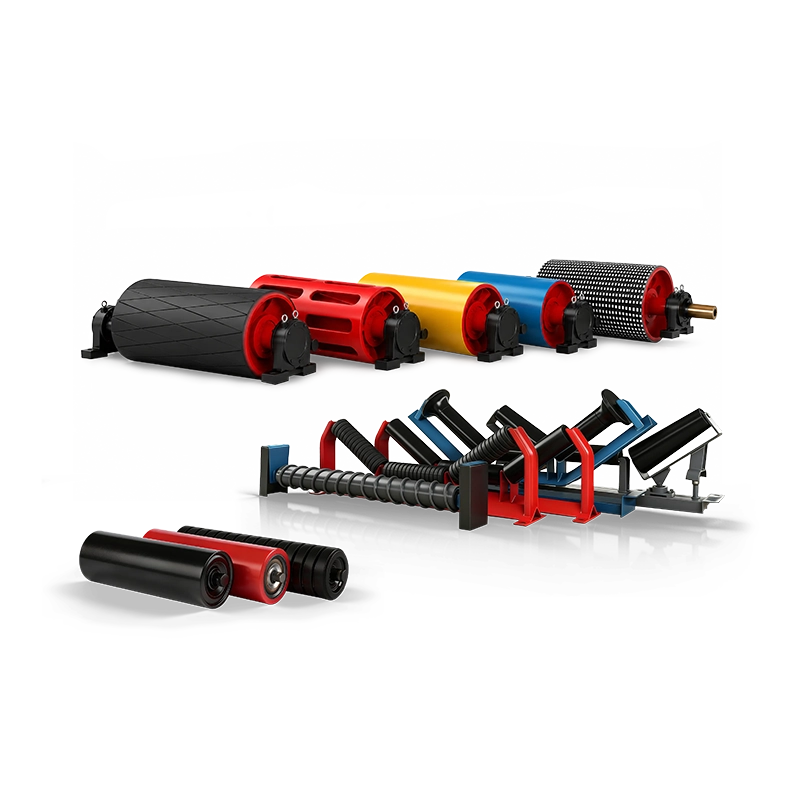
SHENGYUAN supplies belt cleaners, conveyor rollers, idlers, pulleys, conveyor belts, frames, and related components for mining, quarrying, cement, coal handling, ports, steel plants, power stations, and other bulk-material handling applications.
Belt cleaning solutions include polyurethane and carbide-based configurations for different cleaning positions and operating requirements. Replacement blade specifications should be coordinated with the actual cleaner assembly, belt characteristics, contact width, conveyed material, and installation arrangement.
Through custom conveyor solutions, replacement components can be reviewed according to customer drawings, existing samples, dimensional requirements, and site operating conditions.
For international replacement orders, purchasing schedules and shipment requirements can also be coordinated through customer service and logistics support.
Need replacement belt cleaner blades for your conveyor?
Send the existing cleaner model, blade photographs, mounting dimensions, required contact width, belt width, belt speed, splice type, material conditions, replacement quantity, and any available wear records. For customized replacements, include a detailed drawing or representative sample so dimensional and application compatibility can be reviewed before production.
Conclusion: Combine Accurate Blade Fit with Reliable Replacement Records
Reliable belt cleaner blade procurement begins with accurate component identification. The replacement blade must match the existing mounting system, provide the correct effective contact width, and operate with the intended tensioner and belt surface.
Material selection should account for abrasion, moisture, temperature, belt condition, splice design, and cleaning position. Polyurethane and carbide-based blades each have appropriate applications, but neither should be selected based on hardness or purchase price alone.
Replacement records are equally important. By documenting installation dates, operating hours, wear patterns, adjustment history, and reasons for removal, maintenance and procurement teams can make better decisions about blade specifications and spare-parts inventory.
The best replacement belt cleaner blade is not simply one that fits the nominal belt width. It is a blade that matches the cleaner assembly, provides appropriate belt contact, cleans effectively without unnecessary damage, and delivers measurable performance under the actual operating conditions.