
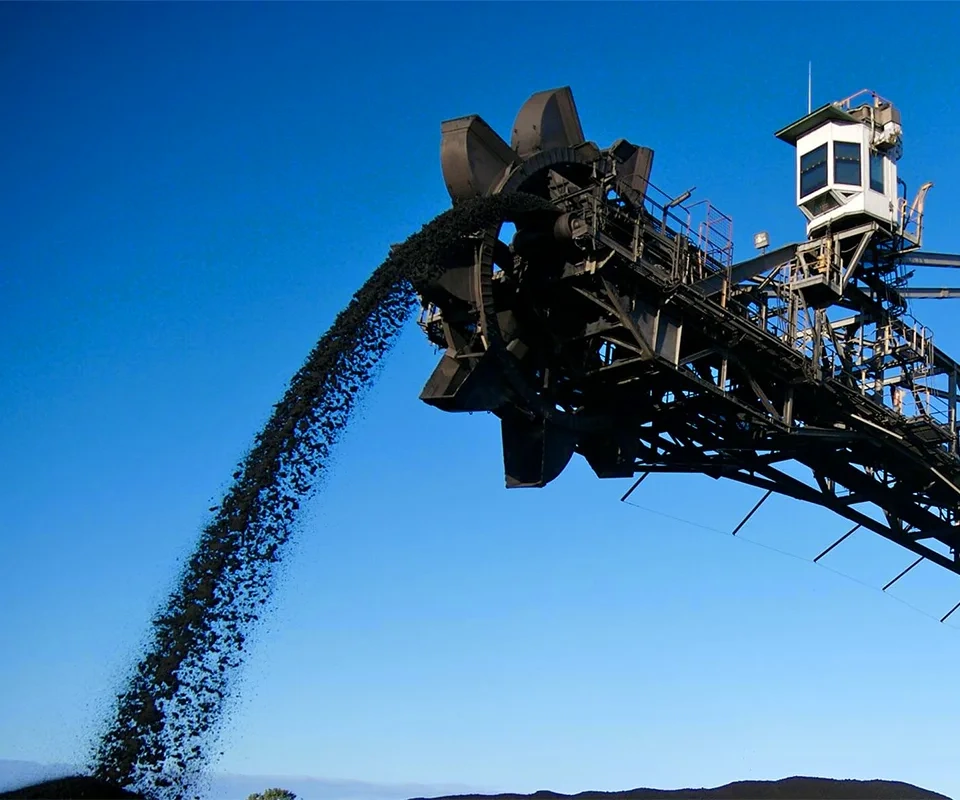
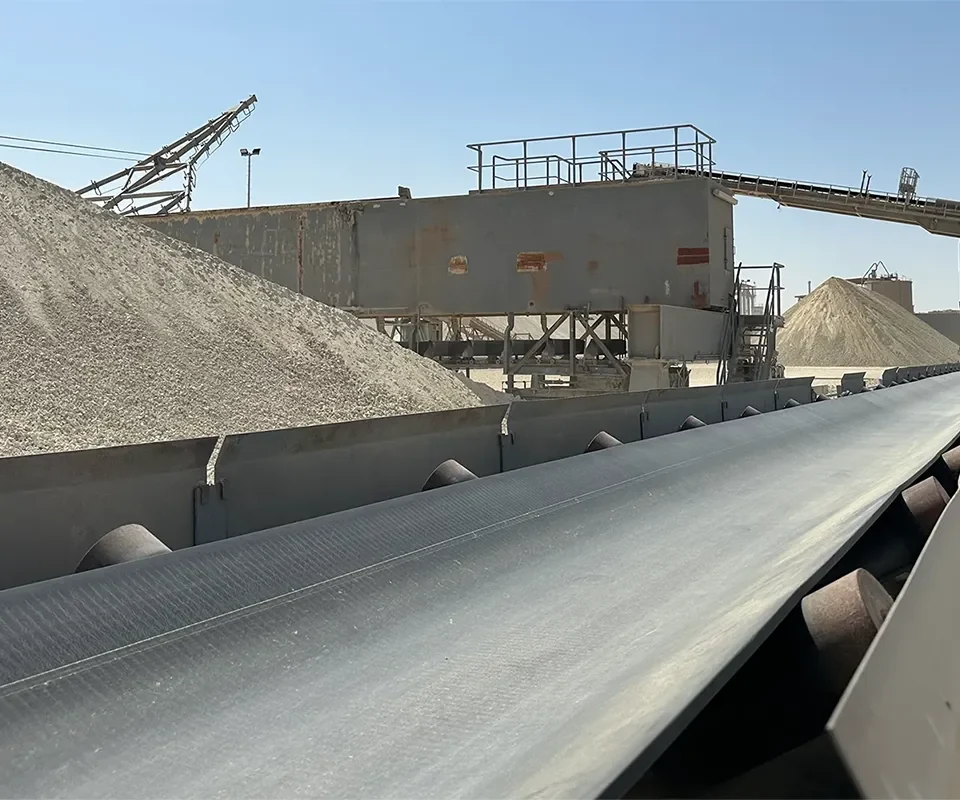
Planning conveyor belt and roller replacements for an Australian coal handling line requires more than waiting for components to fail. Coal conveyors often operate for long hours under demanding conditions, with abrasive coal fines, moisture, dust, heavy loads, and changing weather placing continuous stress on belts, rollers, bearings, and supporting structures.
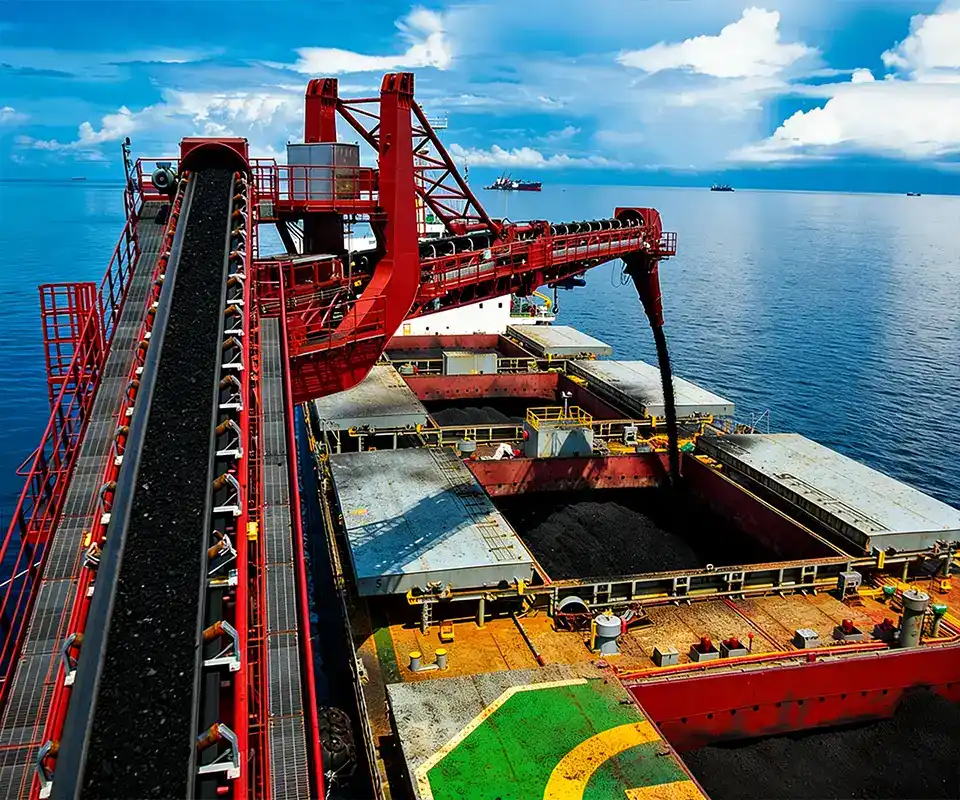
In Australian coal operations, especially across Queensland and New South Wales, conveyor systems may connect crushers, preparation plants, stockpiles, rail-loading facilities, and export terminals. An unexpected belt failure or seized roller can interrupt an important material-handling route, making replacement planning essential for both reliability and production continuity.
The most effective strategy combines condition inspections, component criticality, replacement priorities, correct technical specifications, spare-parts inventory, supplier lead times, and planned shutdown coordination. Belt and roller replacements should also be considered together because problems in one component can accelerate wear in the other.
Quick answer: To plan belt and roller replacements for an Australian coal handling conveyor, inspect belt covers, splices, tracking, roller rotation, bearing condition, and material buildup. Classify defects by safety risk and production criticality, confirm replacement dimensions and material requirements, calculate realistic procurement lead times, and schedule major work during planned shutdowns. Keep critical spares available and correct the operating problems that caused premature wear.
Why Australian Coal Conveyors Need Planned Replacements
Coal handling equipment experiences a combination of mechanical and environmental stresses. Coal fines can accumulate around rollers, moisture can accelerate corrosion, and abrasive particles can wear belt covers and roller shells. Material carryback may also build up on the return strand and influence belt tracking.
Operating conditions vary significantly by site. Some inland coal facilities experience hot, dry, dusty conditions. Other operations face seasonal heavy rain, wet coal, and persistent buildup. Coastal coal terminals may require additional corrosion protection because of humidity and salt-containing air.
A replacement strategy should therefore reflect the actual coal-handling duty rather than relying only on a fixed replacement interval.
1. Identify the Most Critical Conveyor Sections
Begin by dividing the coal handling line into individual conveyors and assessing the production consequences of each conveyor stopping.
A primary feed conveyor supplying a coal preparation plant may have much higher production criticality than a secondary stockpile conveyor with an alternative loading route. Similarly, a long overland conveyor may be difficult to inspect and repair quickly because of its length and access requirements.
Record each conveyor’s belt width, speed, length, lift, capacity, material condition, component specifications, operating hours, and replacement history.
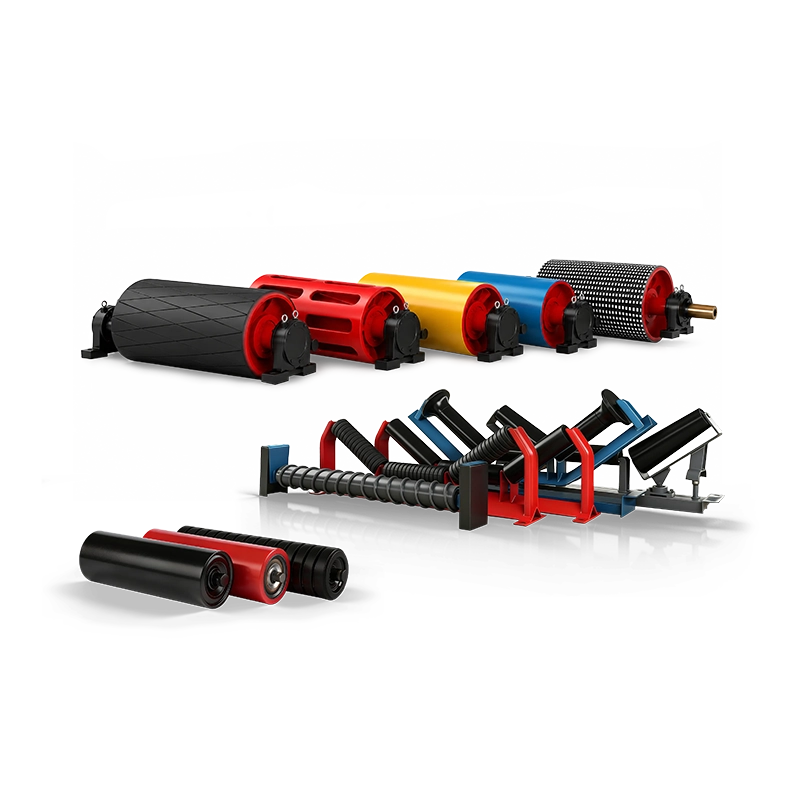
The Belt Conveyor Components Guide explains how belts, idlers, pulleys, take-up systems, cleaners, and other equipment interact in a complete conveyor system.
2. Establish the Current Condition of Every Conveyor Belt
A replacement plan should begin with reliable inspection data. Belt age alone is not enough to determine remaining service life because two belts installed at the same time can experience very different operating conditions.
Inspect the top and bottom covers, belt edges, splices, carcass condition, tracking behavior, and areas exposed to repeated loading impact.
Important defects include excessive cover wear, deep cuts, exposed fabric or steel cords, longitudinal tears, edge damage, abnormal splice movement, and localized heat or friction damage.
Where practical, record cover thickness at consistent locations over time. Trending actual wear provides a stronger basis for planning than relying on visual appearance alone.
3. Decide When a Conveyor Belt Needs Replacement
Not every visible defect requires replacing the entire belt. Local cover damage may be repairable, while severe carcass damage or repeated splice failures can justify more extensive intervention.
| Condition | Recommended Planning Response |
| Minor surface wear | Monitor and compare measured wear trends |
| Localized repairable damage | Assess repair suitability and schedule corrective work |
| Repeated edge wear | Investigate mistracking, loading, and structural alignment |
| Critical carcass or splice damage | Remove from service as required by the safety assessment and plan immediate repair or replacement |
| Extensive cover loss or widespread damage | Plan partial or full belt replacement after technical assessment |
The decision should consider the belt manufacturer’s repair limits, mine safety requirements, remaining structural integrity, and the consequences of a failure during operation.
4. Specify the Replacement Belt Correctly
Replacing a coal conveyor belt should not automatically mean ordering an identical belt. First determine whether the original specification provided satisfactory performance or failed prematurely.
Important purchasing parameters include belt width, tensile rating, carcass construction, number of plies where applicable, cover thickness, cover grade, splice method, minimum pulley diameter, and operating environment.
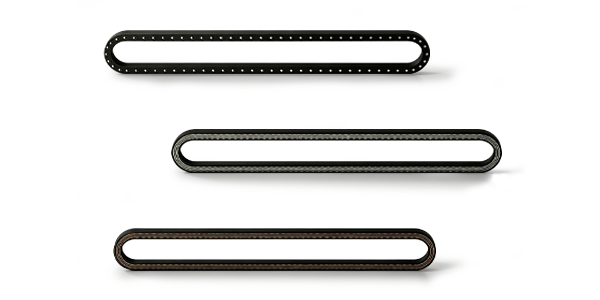
EP fabric belts are commonly used in bulk coal handling because of their dimensional stability and practical mechanical properties. Steel cord belts may be used on long-distance, high-tension conveyors where their characteristics are required.
Coal applications may also require fire-resistant and antistatic belt properties, depending on whether the installation is underground or on the surface, the assessed hazards, and applicable Australian regulatory and site requirements. These properties should be explicitly specified and supported by appropriate documentation rather than assumed from a general product description.
For detailed information about belt construction and selection, see How to Choose Rubber Conveyor Belts for Heavy-Duty Bulk Material Handling.
5. Inspect Conveyor Rollers by Type and Location
Conveyor rollers are normally replaced more frequently than complete conveyor belts because coal handling systems contain many individual rollers exposed to continuous rotation, bearing wear, material contamination, and impact.
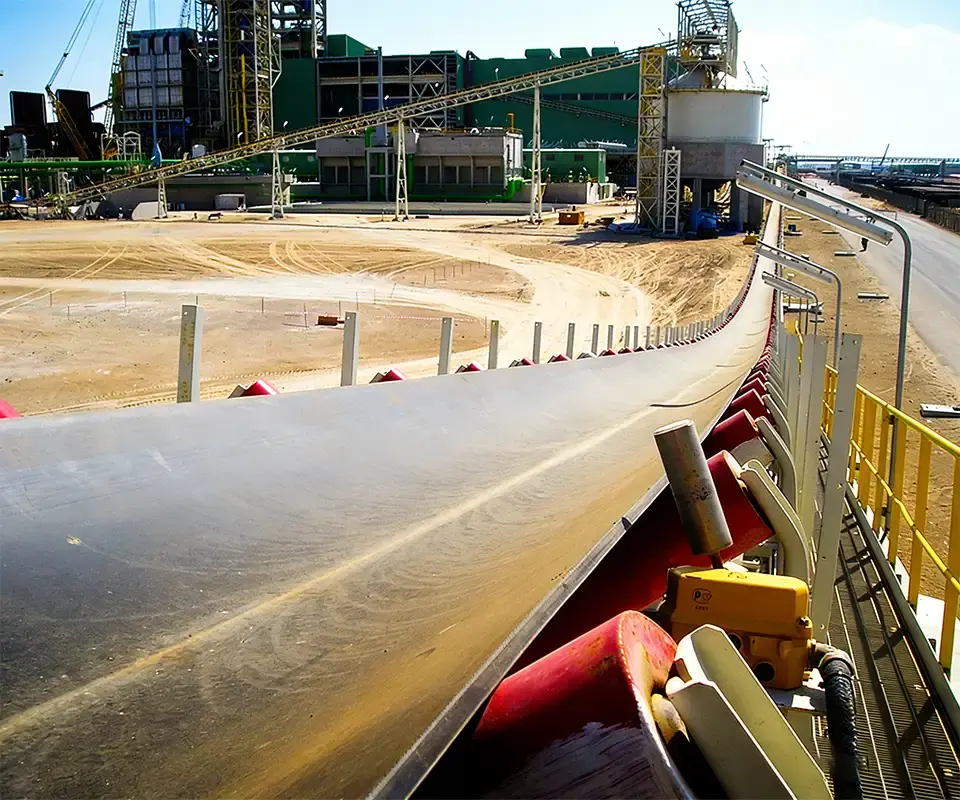
The maintenance team should distinguish between carrying rollers, impact rollers, return rollers, self-aligning rollers, and specialized cleaning-type rollers.
Each type experiences different loads and failure conditions. Impact rollers beneath coal transfer points may experience repeated shock, while return rollers are more likely to be affected by carryback and buildup.
6. Identify Rollers That Need Immediate Attention
Common signs of roller deterioration include abnormal noise, seized or poorly rotating bearings, excessive shell wear, visible deformation, damaged rubber impact rings, looseness, and abnormal temperature.
Seized rollers are particularly concerning because the moving belt can slide over a stationary roller shell, creating friction, heat, and accelerated belt wear. In coal environments, overheating and frictional damage must be treated seriously because combustible material and dust may be present.
A suspected hazardous roller should be assessed under the site’s operating and isolation procedures. It should not be left in service simply because the next planned shutdown is several months away.
7. Confirm Roller Dimensions Before Ordering Replacements
A replacement roller must fit the existing conveyor frame and provide the correct mechanical performance.
Record roller outside diameter, shell length, overall shaft length, shaft diameter, shaft-end design, effective mounting distance, bearing arrangement, and sealing requirements.
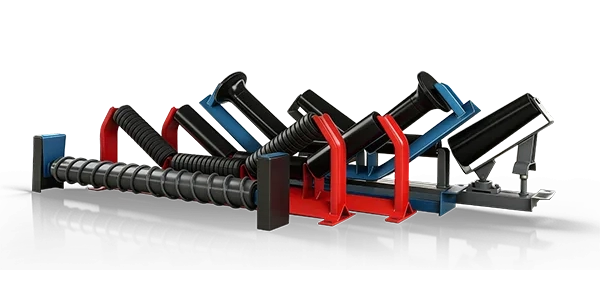
For complete idler sets, confirm trough angle, roller arrangement, frame height, base dimensions, mounting-hole centers, and installation orientation.
The SWCONS conveyor roller range includes carrying, return, impact, self-aligning, and specialized roller configurations for different operating conditions.
8. Review Roller Bearings and Seals for Coal Dust and Moisture
Coal dust and moisture can enter poorly protected bearing housings and accelerate failure. In Australian outdoor applications, seasonal wet conditions and washdown exposure may increase the sealing requirement further.
When comparing replacement rollers, ask about bearing type, shaft diameter, labyrinth sealing arrangement, grease protection, shell construction, and operating speed.
Two rollers with identical external dimensions may have very different internal components and expected performance. Purchasing decisions should therefore consider the complete construction rather than the lowest unit price.
9. Replace Rollers in Groups When Appropriate
If several adjacent rollers have reached similar wear conditions, replacing them together during a planned shutdown may be more economical than repeatedly mobilizing crews to the same conveyor section.
Group replacement is particularly useful where access is difficult, scaffold or lifting equipment is required, or the conveyor cannot be safely serviced without a major shutdown.
However, replacing every roller simply because one has failed can create unnecessary inventory and labor cost. Group replacement should be based on condition, age, common failure mechanisms, and accessibility.
10. Coordinate Belt and Roller Replacement Shutdowns
A major belt replacement creates an opportunity to inspect and replace inaccessible rollers, idler frames, pulley lagging, cleaner components, and other supporting equipment.
Combining suitable work packages can reduce repeated shutdowns, but activities must be coordinated carefully to avoid congestion and conflicting access requirements.
A replacement schedule should define the isolation period, belt removal and installation sequence, roller-changing activities, splice work, inspection hold points, commissioning checks, and the responsible personnel.
Planning principle: Combine belt and roller replacement work where it genuinely reduces downtime, but maintain separate safety assessments and work controls for each activity.
11. Calculate Procurement Lead Times Before Setting Shutdown Dates
A replacement component must be physically available at the site before maintenance begins. This is especially important when belts or rollers are imported for Australian mining operations.
The complete lead time should include specification confirmation, drawing approval, manufacturing, inspection, packing, international transport, customs clearance, domestic freight, and delivery to the mine or terminal.
Large belt rolls and long or heavy conveyor components may require special transport and handling arrangements. Allow time for these activities rather than relying only on the manufacturer’s stated production period.
12. Plan Belt Splicing Before Delivery
Belt installation is not complete until the splice has been properly prepared, completed, inspected, and accepted under the project’s requirements.
The shutdown plan should include splice method, required materials, specialist personnel, equipment availability, suitable working space, weather protection, and the relevant installation procedures.
For Australian outdoor coal conveyors, rain, wind, and airborne dust can complicate some splicing operations. The splice work area should therefore be planned before the belt reaches the site.
If the replacement belt uses a different carcass or thickness, splice materials and procedures must be checked for compatibility.
13. Check Pulleys and Take-Up Systems During Belt Replacement
A new belt should not be installed without reviewing the pulleys and take-up arrangement that will operate with it.
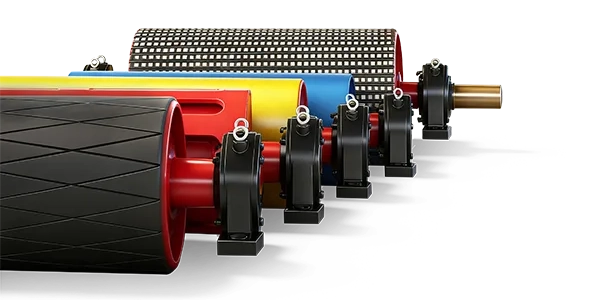
Inspect pulley lagging for wear, separation, contamination, and damage. Check bearings and shaft condition, pulley alignment, and take-up movement. Confirm that pulley diameters are compatible with the replacement belt construction.
A worn drive-pulley surface or poorly functioning take-up system can create slipping or excessive tension problems soon after the new belt is commissioned.
14. Fix the Causes of Premature Belt and Roller Wear
Replacing damaged parts without identifying the failure mechanism can result in repeated problems.
If roller shells wear rapidly, investigate belt speed, carryback, alignment, shell material, and contamination. If the belt wears unevenly along one edge, inspect loading position, frame alignment, pulleys, and tracking behavior.
If the belt bottom cover has localized damage, check for seized rollers, slipping pulleys, buildup, and excessive friction. If the top cover wears quickly, investigate loading impact, material abrasion, chute design, and skirt contact.
15. Plan Spare-Parts Inventory Around Failure Risk
Large coal handling systems may use thousands of rollers. Maintaining suitable stock prevents relatively inexpensive components from causing extended downtime.
Use historical replacement quantities, expected delivery time, operating criticality, and planned shutdown demand to determine stock levels.
Frequently used standard rollers may justify regular inventory replenishment, while special rollers or critical components with long production lead times may require strategic stock.
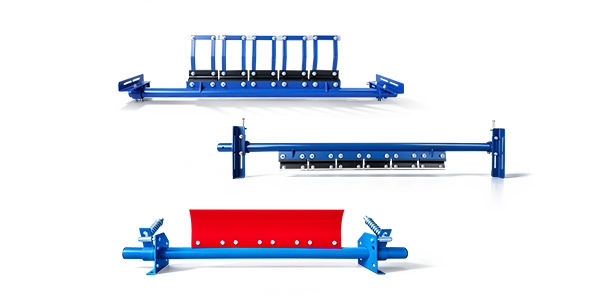
Belt repair materials and cleaner blades should also be included in spare-parts planning, with storage conditions and shelf-life requirements taken into account.
16. Confirm Australian Site and Safety Requirements
Australian coal operations are subject to site-specific safety management arrangements and applicable regulatory requirements. Replacement work should follow the relevant mine or terminal procedures for isolation, stored-energy control, lifting, guarding, access, and return-to-service checks.
Belt fire-performance requirements should also be confirmed for the actual installation, especially where underground coal mine requirements differ from surface or terminal applications. Relevant certification and testing documentation should be requested when required by the project.
Never inspect, clean, or replace rollers by placing personnel in contact with moving conveyor equipment. Hazardous defects should be managed through the site’s approved operating and isolation arrangements.
Common Replacement Planning Mistakes
Mistake 1: Waiting for Belt Failure Before Ordering
Long manufacturing and transport lead times can turn a predictable belt replacement into a production emergency.
Mistake 2: Ordering Rollers from Belt Width Alone
Roller diameter, face length, shaft ends, mounting distance, bearings, and frame arrangement must also match.
Mistake 3: Replacing Components Without Investigating Wear
Misalignment, excessive carryback, poor cleaning, or unsuitable component specifications may cause repeated failures.
Mistake 4: Ignoring Belt and Pulley Compatibility
A stronger or thicker replacement belt may require a review of pulley diameters, tension, and splice design.
Mistake 5: Underestimating Shutdown Preparation
Late delivery, missing lifting equipment, insufficient splice preparation, or incorrect roller dimensions can extend planned downtime.
A Practical Belt and Roller Replacement Planning Checklist
01. Identify production-critical coal conveyors.
02. Record belt specifications and remaining condition.
03. Inspect rollers by type, location, and failure condition.
04. Classify urgent, planned, and monitored defects.
05. Verify belt and roller replacement dimensions.
06. Confirm applicable belt safety and material requirements.
07. Check pulleys, lagging, take-up, and cleaning equipment.
08. Determine realistic manufacturing and delivery lead times.
09. Reserve sufficient spare rollers and repair materials.
10. Coordinate belt installation, splicing, and roller replacement work.
11. Prepare lifting equipment, isolation plans, and access arrangements.
12. Complete inspection, tracking, and commissioning checks before returning the conveyor to normal service.
What Information Should Be Included in the RFQ?
| Category | Information Required |
| Conveyor Details | Location, length, lift, capacity, width, speed, operating hours |
| Belt Specifications | Carcass, strength, covers, thickness, required fire and antistatic properties, splice |
| Roller Specifications | Type, diameter, length, shaft ends, bearings, seals, quantity |
| Idler Frames | Trough angle, frame dimensions, mounting centers, spacing |
| Operating Environment | Coal condition, dust, moisture, temperature, coastal exposure |
| Replacement Project | Shutdown date, required delivery, drawings, failure history, packaging |
How to Compare Belt and Roller Replacement Suppliers
A supplier should be evaluated on specification accuracy, component quality, technical communication, production capability, documentation, and delivery reliability rather than price alone.
For replacement rollers, compare shaft dimensions, bearing arrangements, seals, shell construction, manufacturing quality, and dimensional compatibility. For replacement belts, compare carcass, tensile rating, cover performance, splice requirements, and compliance documentation where applicable.
For Australian projects, clear export packing, accurate shipping documents, realistic lead-time commitments, and coordination with the mine’s delivery schedule are also important purchasing considerations.
Planning Australian Coal Conveyor Replacements with SHENGYUAN
SHENGYUAN supplies conveyor rollers, idlers, pulleys, rubber conveyor belts, belt cleaners, frames, and related components for mining, coal handling, quarrying, ports, cement, power plants, steel plants, and other heavy-duty bulk-material applications.
For Australian coal handling projects, belt and roller requirements can be coordinated according to the existing conveyor specifications, operating duty, component dimensions, replacement quantities, and planned maintenance schedule.
Through custom conveyor solutions, replacement rollers, idler frames, pulleys, and other components can be specified from customer drawings, existing samples, and field measurements where dimensional compatibility is essential.
Planning belt and roller replacements for an Australian coal handling line?
Send the conveyor specifications, existing belt construction, roller dimensions, required quantities, operating conditions, site location, failure history, drawings, and planned shutdown dates. Clear replacement specifications and early purchasing coordination help reduce installation delays and improve spare-parts availability.
Conclusion: Replace Components Before Predictable Wear Becomes Unplanned Downtime
Reliable Australian coal conveyor maintenance requires a balance between component condition, production risk, replacement cost, and shutdown availability. Belt age alone should not determine replacement timing, and roller failure should not be managed only by waiting for components to seize.
A good plan identifies deterioration early, confirms technical compatibility, maintains suitable inventory, and coordinates belt, roller, pulley, cleaner, and take-up maintenance where practical.
Australian operating conditions, including coal dust, seasonal moisture, coastal exposure, long operating hours, and site safety requirements, should also influence the replacement specification.
The most effective replacement strategy is not to change every belt and roller at fixed intervals. It is to replace the right components at the right time, with the correct specifications, adequate spares, and a shutdown plan that minimizes avoidable production disruption.