



Drive pulleys are among the most important components in belt conveyor systems because they transfer motor power to the conveyor belt. If the drive pulley does not provide stable traction, the belt may slip, generate heat, wear the lagging, damage the belt cover, and reduce conveying capacity. In heavy-duty bulk material handling, drive pulley selection has a direct impact on system reliability and operating cost.
A drive pulley may appear to be a steel drum with a shaft, but its performance depends on shell strength, shaft design, bearing capacity, lagging type, wrap angle, belt tension, alignment, and surface condition. This guide explains the main drive pulley types, selection factors, and industrial applications for mining, cement, coal, aggregate, port, steel, and power plant conveyors.
Quick answer: A drive pulley should be selected according to belt width, drive power, belt tension, belt speed, pulley diameter, shaft load, wrap angle, lagging type, working environment, and required service life.
What Is a Drive Pulley?
A drive pulley is the conveyor pulley connected to the drive unit. It transfers torque from the motor and gearbox to the belt. In many conveyors, the drive pulley is installed at the discharge end and also functions as the head pulley. In other systems, the drive may be placed in a different position depending on layout and engineering design.
The drive pulley must create enough friction with the belt to move the loaded conveyor. This friction depends on belt tension, pulley lagging, wrap angle, surface cleanliness, and material condition. If friction is insufficient, belt slip occurs. Belt slip is not only a performance issue; it can create heat, accelerate rubber wear, and increase maintenance risk.
Main Types of Drive Pulleys
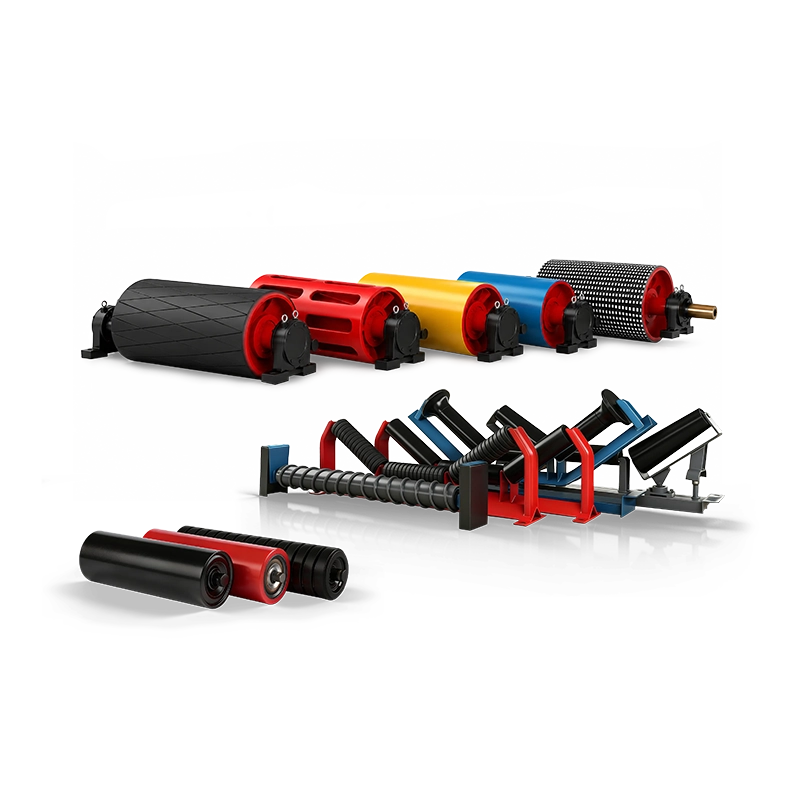
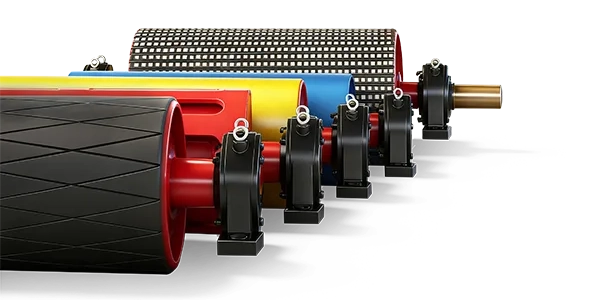
Drive pulleys can be classified by surface design, lagging material, shaft connection, and application. The most common types include rubber lagged drive pulleys, diamond lagged drive pulleys, ceramic lagging drive pulleys, polyurethane lagged pulleys, and custom heavy-duty drive pulleys.
| Drive Pulley Type | Main Advantage | Typical Application |
| Rubber Lagged Drive Pulley | General traction and belt protection | Standard belt conveyors |
| Diamond Lagged Drive Pulley | Better drainage and grip | Wet or outdoor conveyors |
| Ceramic Lagging Drive Pulley | High friction and wear resistance | High-tension mining conveyors |
| Custom Drive Pulley | Matches special layout and load | OEM and replacement projects |
Selection Factor 1: Belt Tension and Drive Power
Drive pulleys operate under higher mechanical stress than many non-drive pulleys. They must handle belt tension and torque at the same time. If the pulley shaft, hub, shell, or bearing arrangement is not designed for the actual load, early failure may occur. For long conveyors, high-capacity conveyors, or conveyors that start under load, this requirement becomes even more important.
Buyers should provide drive power, belt width, belt speed, belt tension, pulley diameter, wrap angle, material load, and starting condition when selecting a drive pulley. If this information is unavailable, old pulley drawings and site photos can help the manufacturer evaluate replacement options.
Selection Factor 2: Lagging and Belt Slip Control
Lagging is one of the most important features of a drive pulley. It increases friction between the pulley and belt. A worn or unsuitable lagging surface can cause belt slip, especially under heavy load, wet conditions, or dusty environments. Belt slip may lead to heat, rubber dust, burning smell, lagging damage, and reduced conveyor capacity.
Rubber lagging is widely used for general traction. Diamond rubber lagging helps water and fine material escape from the contact surface. Ceramic lagging provides stronger grip and wear resistance for high-tension or abrasive applications. The best option depends on the material handled, moisture, belt tension, and operating conditions.
Increasing belt tension is not the best first response to belt slip. Inspect lagging, wrap angle, material buildup, take-up movement, and belt cleaner performance first.
Selection Factor 3: Bearing Protection and Alignment
Drive pulley bearings carry high radial load and must operate smoothly for long periods. Dust, water, grease contamination, incorrect lubrication, poor alignment, and overload can all shorten bearing life. For outdoor heavy-duty conveyors, bearing housings and seals should be selected carefully.
Pulley alignment also affects belt tracking and bearing stress. A skewed drive pulley may push the belt to one side and create uneven lagging wear. Alignment should be checked during installation, after belt replacement, and whenever abnormal vibration or belt mistracking appears near the drive station.
Industrial Applications of Drive Pulleys
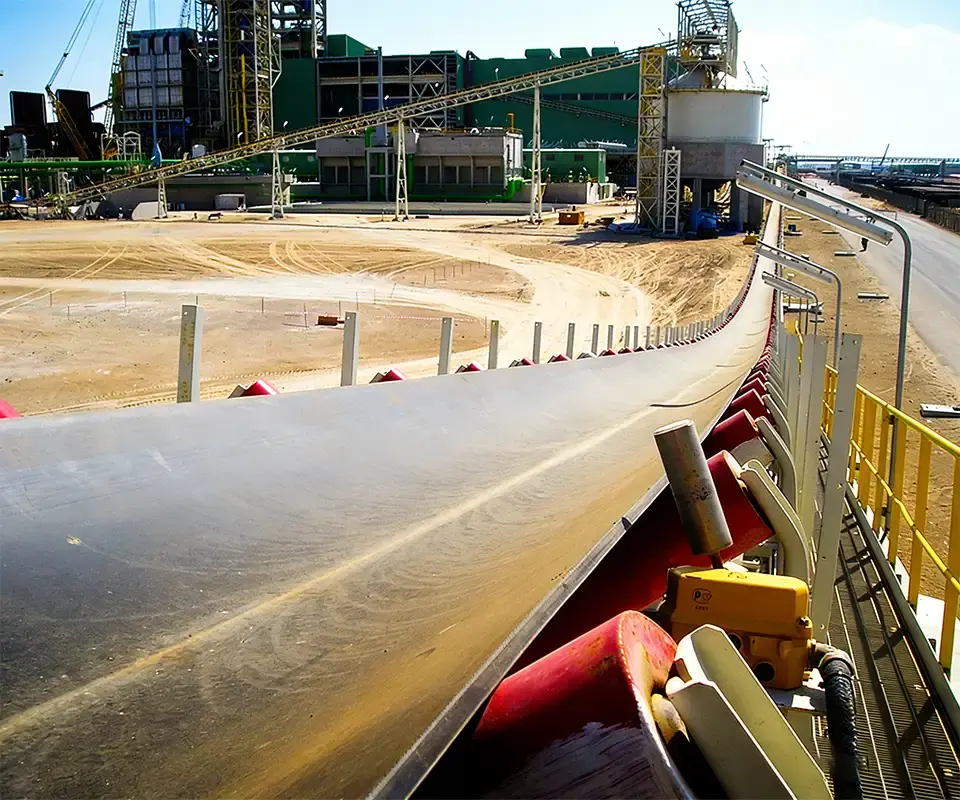
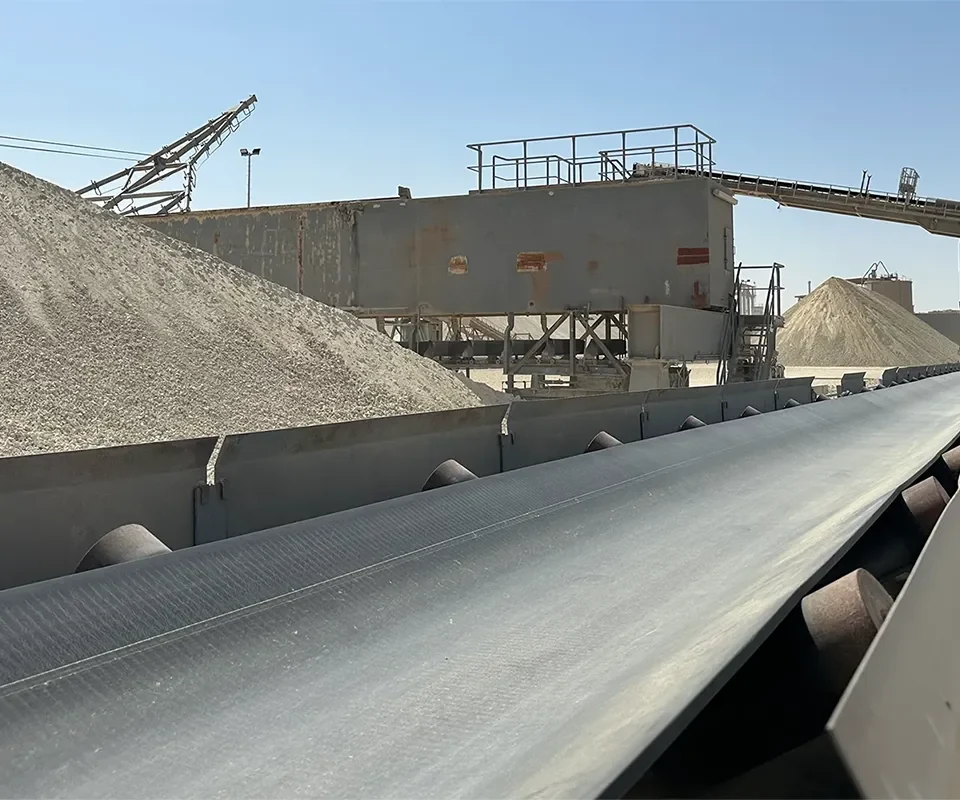
Mining conveyors often require ceramic lagging drive pulleys because of high tension, dust, and heavy material load. Cement plants may need dust-resistant bearing protection and abrasion-resistant lagging. Port conveyors require reliable drive pulleys for high-capacity continuous operation. Quarry and aggregate conveyors need strong shafts, stable bearings, and wear-resistant surfaces for stone handling.
In power plants and steel plants, conveyors often run for long hours, so drive pulley reliability is critical. Failure may interrupt fuel, raw material, or production flow. For this reason, drive pulley selection should consider total service life rather than only initial cost.
Custom Drive Pulley Manufacturing
A replacement drive pulley often needs exact dimensions. Important data includes pulley diameter, face width, shaft diameter, shaft length, keyway or locking assembly, bearing type, lagging thickness, hub structure, and installation drawings. For a new project, drive power and belt tension should also be provided.
Buyers looking for conveyor pulleys can compare standard and customized options according to operating requirements. If special shaft ends, lagging, or structure are needed, custom conveyor solutions can help match the pulley to the actual conveyor layout.
Working with SHENGYUAN
SHENGYUAN provides conveyor drive pulleys, head pulleys, tail pulleys, bend pulleys, snub pulleys, take-up pulleys, ceramic lagging pulleys, rubber lagged pulleys, and custom conveyor drum pulleys for heavy-duty bulk material handling. The company supports mining, cement, coal, quarry, port, steel, power plant, aggregate, and industrial conveyor projects.
For export and project orders, buyers can also review service and logistics support to plan packaging, delivery, and replacement component supply.
Conclusion
A drive pulley determines whether a belt conveyor can transfer power efficiently and operate reliably under load. Selection should consider drive torque, belt tension, lagging type, pulley diameter, shaft strength, bearing protection, wrap angle, alignment, and site environment. The right drive pulley reduces slip, protects the belt, and supports long-term production stability.
Need a drive pulley for your conveyor?
Send your drive pulley drawings, belt width, belt speed, drive power, lagging requirement, and working environment. SHENGYUAN can help recommend or customize a suitable drive pulley solution.