
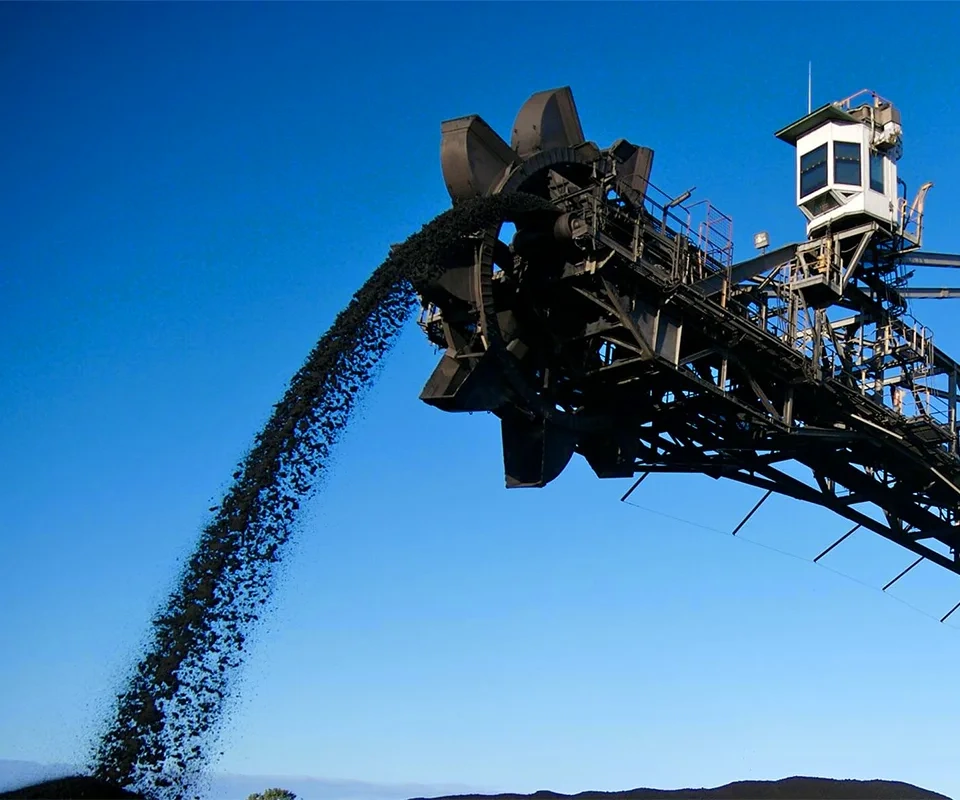
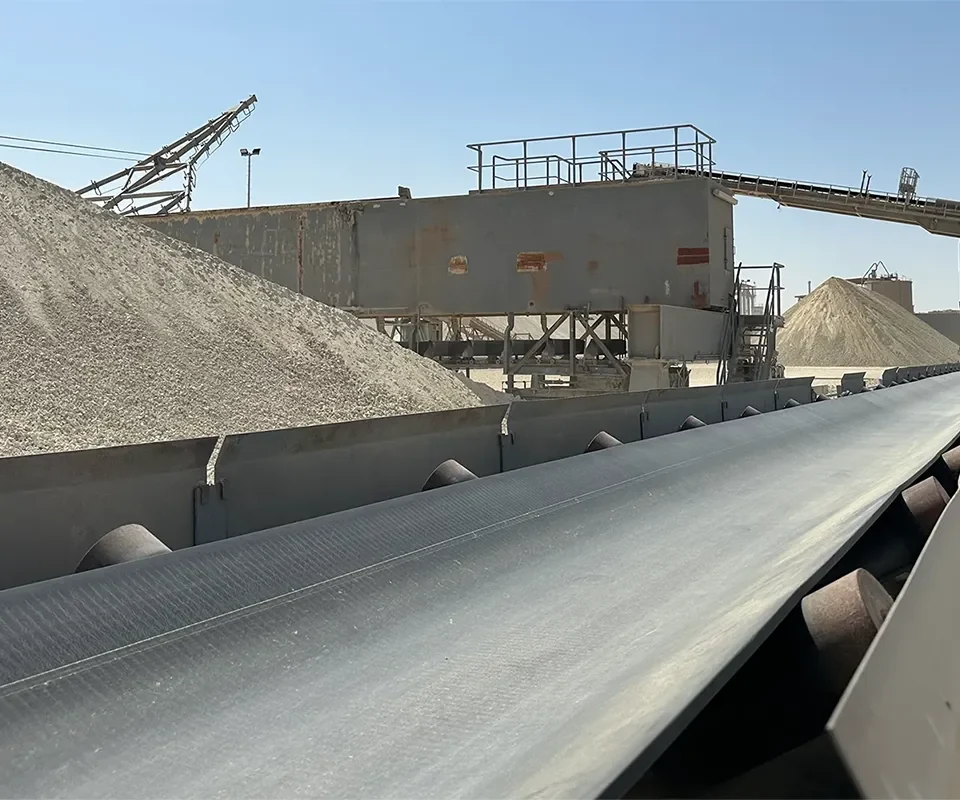
Impact idlers are not required at every position of a belt conveyor. Their main purpose is very specific: to protect the conveyor belt in receiving and loading areas where falling bulk material creates significant impact.
For mining, quarrying, aggregates, cement, coal handling, steel plants, ports, and other heavy-duty bulk material applications, the loading zone is often one of the most demanding sections of the entire conveyor. Large pieces of ore, stone, coal, or other material may fall from a chute onto the belt. If the impact is too severe, the belt and supporting rollers can experience accelerated wear or damage.
Impact idlers are therefore normally installed under the loading chute in the receiving section. Rubber-ring impact rollers absorb part of the shock created by falling material, reducing the direct impact transmitted to the conveyor belt and helping extend belt service life.
Quick answer: Impact idlers should be used where material is loaded onto the conveyor and the falling material creates significant impact. They become particularly important when the material has a large lump size, high bulk density, or a considerable drop height. Typical impact idlers use rubber rings and are installed directly beneath the receiving or loading chute.
What Is an Impact Idler?
An impact idler is a special type of carrying-side idler designed for conveyor loading zones. Instead of relying only on a conventional steel roller surface, impact rollers use rubber rings around the roller body to provide a resilient contact surface.
When material falls onto the conveyor belt, these rubber elements help absorb the resulting shock. This reduces the severity of the impact transmitted through the belt into the roller, bearings, frame, and supporting structure.
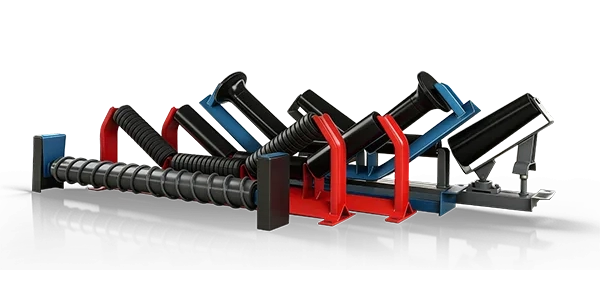
Common trough configurations include 35° and 45° rubber-ring impact idler sets. The appropriate trough angle should match the carrying-side arrangement of the conveyor and the required loading geometry.
Where Should Impact Idlers Be Installed?
The primary installation position is the receiving section beneath the loading chute. This is the area where bulk material first contacts the conveyor belt and where impact forces are concentrated.
On a typical conveyor, normal troughing idlers support the belt along most of the carrying run. When the belt enters a loading zone, those standard carrying idlers may be replaced by a series of impact idlers positioned more closely together.
Once the material has stabilized on the belt and the conveyor moves away from the receiving area, normal troughing carrying idlers can generally resume the primary support function.
Simple positioning rule: Standard troughing idlers support normal conveying loads. Impact idlers are concentrated where material is falling onto the belt and impact loads are much higher.
When Are Impact Idlers Necessary?
The need for impact idlers depends mainly on the severity of material loading. Three factors are especially important: material lump size, material bulk density, and drop height.
1. At Conveyor Receiving and Loading Points
The receiving point is the most typical location for impact idlers. Material arriving from a hopper, chute, crusher, feeder, or another conveyor falls onto the belt in this area.
Because the belt receives both the static weight of the material and the additional impact created during loading, this section generally requires stronger support than the normal carrying run.
For this reason, rubber-ring impact idlers are normally installed beneath the loading chute to absorb impact and help protect the conveyor belt.
2. When Maximum Lump Size Is Large
Large pieces of material create more severe local impact than fine, evenly distributed material. This is particularly relevant for crushed rock, iron ore, limestone, coal lumps, and other coarse bulk materials.
As lump size increases, the load becomes more concentrated when the material first strikes the belt. The receiving section therefore requires greater attention to impact protection.
Practical rule: The larger the lumps entering the loading zone, the more important impact idlers become. Maximum lump size should therefore be included whenever a customer asks for an impact roller or idler quotation.
3. When Material Bulk Density Is High
Bulk density also affects the loading condition. Dense materials place greater loads on the belt and idlers than lightweight materials under similar volume conditions.
A conveyor carrying dense mineral material therefore requires a different impact assessment from one carrying lighter bulk material, even when belt width and conveyor capacity appear similar.
This is one reason why idler spacing in the receiving section should not be selected only from belt width. Material density, lump size, and loading conditions should also be considered.
4. When Drop Height Is Large
The greater the distance that material falls before contacting the belt, the more severe the loading impact can become. High-drop transfer points therefore require stronger impact protection than carefully controlled low-drop loading points.
When drop height increases together with large lump size and high bulk density, the receiving zone becomes particularly demanding. In these applications, impact idlers are a critical part of protecting the conveyor belt.
Why Standard Troughing Idlers Are Not Always Enough
Standard troughing idlers are primarily designed to support the normal loaded belt as material travels along the conveyor. Their task is continuous carrying support rather than repeated absorption of falling-material impact.
In a severe loading zone, using only ordinary steel carrying rollers exposes the belt and rollers to repeated concentrated shock. Impact idlers add a resilient rubber layer between the belt and supporting roller structure.
| Comparison | Troughing Idler | Impact Idler |
| Main Function | Support loaded conveyor belt | Absorb loading impact |
| Typical Position | Normal carrying run | Receiving and loading zone |
| Roller Surface | Typically steel carrying surface | Rubber-ring impact surface |
| Primary Concern | Continuous load support | Impact absorption and belt protection |
| Typical Spacing | Often around 1000–1200 mm | Often around 300 or 500 mm in loading areas |
How Impact Idlers Help Extend Conveyor Belt Life
The conveyor belt is often one of the most valuable wear components in a belt conveyor. Repeated loading impact can damage the belt cover and place additional stress on the belt carcass.
Impact rollers reduce the severity of direct contact by allowing the rubber rings to absorb part of the shock. Instead of the belt being supported immediately against a rigid steel roller surface, the resilient rubber elements provide additional cushioning.
This is why impact idlers are closely associated with improving conveyor belt protection in loading zones. Their purpose is not to increase conveyor speed or capacity directly, but to make the receiving section more suitable for repeated material impact.
How Closely Should Impact Idlers Be Spaced?
Impact idlers are commonly installed more closely together than standard carrying idlers. A practical reference for loading areas is approximately 300 mm or 500 mm spacing.
This closer spacing increases support beneath the receiving zone and helps distribute the loading effect across more idler sets.
However, 300 mm and 500 mm should not be treated as universal values for every conveyor. Actual spacing should be selected according to the conveyed material’s bulk density, maximum lump size, and drop height.
Key point: Higher density, larger lumps, and greater drop height generally create more demanding loading conditions. These factors should be reviewed before finalizing impact idler spacing and construction.
35° or 45° Impact Idlers: Which Should You Use?
Impact idlers can be supplied in different trough angles, including common 35° and 45° configurations. The correct angle should correspond to the conveyor belt profile in the receiving section.
A 35° trough is widely used in bulk material conveyor systems, while 45° troughing may be used where the conveyor arrangement requires a deeper carrying profile.
When replacing an existing impact idler, the safest purchasing approach is to confirm the existing trough angle rather than selecting a new angle based only on belt width.
Example 1: Crusher Discharge Conveyor
A crusher discharge conveyor receives coarse stone directly through a loading chute. The material contains large lumps and falls onto the belt in a concentrated receiving area.
This is a typical application where impact idlers should be used beneath the loading section. The large lump size and concentrated drop create a much more severe condition than the normal carrying run.
Rubber-ring impact idlers positioned at closer spacing provide cushioning beneath the belt before normal troughing idlers take over farther downstream.
Example 2: Heavy Ore Receiving Point
Consider a mining conveyor receiving dense ore through a transfer chute. Even if the lump size is moderate, the high material density increases the loading duty on the belt and supporting idlers.
In this case, the receiving zone should be treated differently from the normal conveyor section. Impact rollers help absorb the repeated shock and protect the belt at the point where the material first lands.
Example 3: High Drop Height with Large Lumps
The most demanding condition occurs when several unfavorable factors are combined. Large material lumps, high bulk density, and a considerable drop height create a severe impact zone.
In such an application, impact idlers become particularly important because the belt is exposed to repeated concentrated shock every time material enters the conveyor.
Simple selection logic: Receiving point + significant falling impact = use impact idlers. Larger lumps, denser material, and greater drop height make the need for impact protection more important.
Can You Use Impact Idlers Along the Entire Conveyor?
Impact idlers are designed primarily for the receiving section rather than the entire conveyor carrying run. Once the material has been loaded and is moving steadily along the belt, normal troughing idlers are generally used to support the load.
Installing impact rollers throughout a conveyor does not normally provide the same value as concentrating them where actual loading impact occurs.
A more practical arrangement is to use the appropriate idler according to each conveyor position: impact idlers in loading areas, troughing idlers on the normal carrying side, transition idlers near terminal pulleys, and return idlers on the empty belt.
Impact Idlers vs Impact Beds
Impact idlers are widely used to protect belts under receiving chutes. In some very severe loading applications, conveyor designers may also evaluate other loading-zone support arrangements.
The appropriate solution depends on how severe the loading condition is. For many conventional bulk material conveyors, properly selected rubber-ring impact idlers provide the required cushioning while maintaining normal roller-supported belt movement.
Where impact is unusually severe, the complete loading-zone arrangement should be evaluated rather than increasing only the number of standard rollers.
Common Impact Idler Selection Mistakes
Mistake 1: Using Standard Carrying Idlers Directly Under Severe Loading
Standard troughing idlers are suitable for normal carrying duty, but they do not provide the same cushioning as rubber-ring impact idlers. A heavy receiving point should be evaluated separately from the rest of the conveyor.
Mistake 2: Selecting Only by Belt Width
Two conveyors with the same belt width can have completely different impact conditions. Material density, lump size, and drop height must also be considered.
Mistake 3: Ignoring Idler Spacing
Correct impact roller construction is only part of the solution. If spacing is too large in a severe loading zone, the belt can still lack sufficient support between idler sets.
Mistake 4: Using the Same Idler Arrangement for Every Loading Point
Receiving points can vary significantly even on the same conveyor system. One transfer may handle fine material with a small drop, while another receives dense, coarse material from a greater height. The impact support arrangement should match the actual loading duty.
What Information Should You Provide When Ordering Impact Idlers?
01. Conveyor belt width
02. Required impact idler trough angle
03. Material type
04. Material bulk density
05. Maximum lump size
06. Material drop height
07. Existing idler spacing
08. Roller diameter and face length
09. Shaft and mounting dimensions
10. Existing drawings and required quantity
Why Choose SHENGYUAN for Heavy-Duty Impact Idlers?
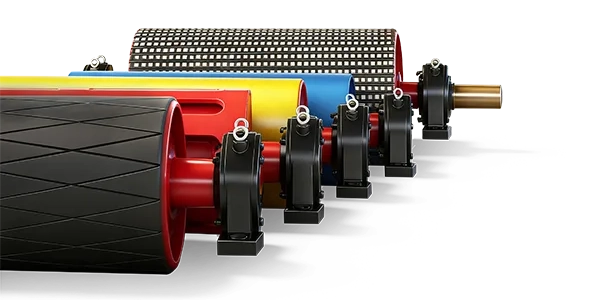
SHENGYUAN supplies conveyor rollers, idlers, pulleys, belts, and related components for mining, quarrying, cement, aggregates, coal handling, ports, steel plants, power stations, and other bulk material handling systems.
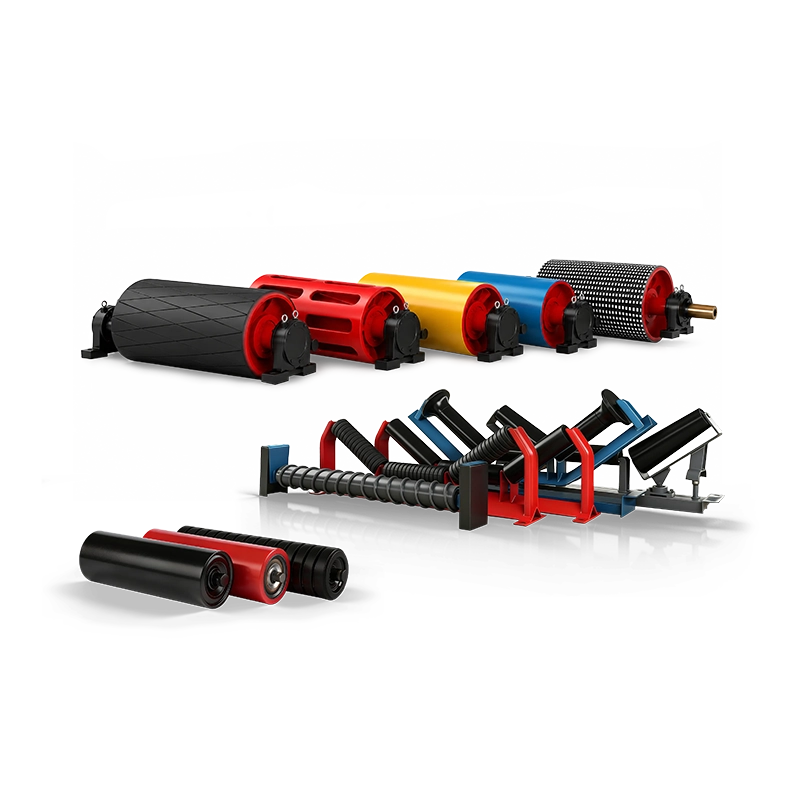
Its conveyor roller range includes carrying rollers, return rollers, rubber-ring impact rollers, self-aligning rollers, spiral return rollers, HDPE rollers, polyurethane rollers, and other application-specific configurations.
For impact applications, roller diameter, face length, shaft dimensions, rubber-ring configuration, bearings, sealing, trough angle, idler frame dimensions, and mounting arrangements can be matched to customer requirements.
Through custom conveyor solutions, replacement impact idlers can also be manufactured according to existing drawings and installation dimensions. This is useful for mining and industrial conveyors where original idler specifications are non-standard or difficult to source.
For distributors, EPC contractors, OEMs, mines, and maintenance companies, impact rollers can be coordinated with standard carrying idlers, return rollers, self-aligning idlers, frames, and conveyor pulleys as part of a consolidated component order.
Need to select impact idlers for a loading zone?
Provide the belt width, material, bulk density, maximum lump size, drop height, trough angle, existing roller dimensions, idler spacing, frame dimensions, quantity, and drawings where available. These parameters are especially important when evaluating the correct impact idler arrangement for heavy-duty receiving points.
Conclusion: Use Impact Idlers Where the Belt Receives the Greatest Shock
Impact idlers are designed for a clear purpose: protecting the conveyor belt in receiving areas where falling material creates significant shock.
They are normally installed beneath loading chutes and use rubber-ring rollers to absorb impact. Their importance increases as material lump size, bulk density, and drop height increase. Common loading-zone spacing may be around 300 or 500 mm, while the final arrangement should reflect the actual material and receiving conditions.
If a conveyor has a high-impact receiving point, large lumps, dense material, or substantial drop height, impact idlers should be treated as a key belt-protection component rather than an optional accessory. Correct selection can reduce loading-zone damage and help extend conveyor belt service life.