
Routine conveyor problems are often accepted as unavoidable operating costs. A belt that runs slightly off-centre, a small amount of carryback, an unusually noisy roller, or occasional belt slip may not appear serious during a busy production shift. However, these repeated problems can gradually damage the belt, pulleys, idlers, bearings, frames, cleaners, and transfer points. They can also increase material loss, maintenance labour, energy consumption, and unplanned downtime.
In mining, quarrying, cement, coal, ports, power plants, steel mills, and aggregate operations, the most effective maintenance strategy is not to repair the same symptom repeatedly. It is to identify the root cause, correct the surrounding system, and prevent the problem from returning. Industry guidance consistently identifies mistracking, carryback, spillage, belt slip, and component wear as recurring conveyor concerns that should be addressed before they result in serious belt or structural damage.
Core principle: A recurring conveyor fault is usually a system warning. Replacing one damaged component without correcting alignment, loading, tension, contamination, or maintenance conditions may only delay the next failure.
1. Conveyor Belt Mistracking
Belt mistracking occurs when the conveyor belt moves away from the intended centreline. It may run against the frame, guards, chute walls, or other structures. Common causes include misaligned pulleys, skewed idlers, seized rollers, uneven material loading, poor belt splicing, material buildup, frame distortion, and incorrect tension.
The first step is to locate the point where the belt begins to move sideways. The visible rubbing point may be downstream from the actual cause. Inspect the pulley, idlers, loading condition, and frame immediately before the deviation begins. If the belt tracks correctly while empty but moves sideways under load, the material may be landing off-centre. If it remains off-centre throughout the route, pulley alignment, belt splice quality, or structural alignment should be checked.
Avoid making random adjustments to multiple idlers. Correct one area at a time, observe the belt under normal load, and document the result. Training idlers can help manage moderate deviation, but they should not replace accurate pulley and frame alignment. Even limited mistracking can contribute to spillage, belt wear, and damage to conveyor equipment or supporting structures.
2. Material Carryback and Buildup
Carryback is material that remains attached to the belt after discharge and travels onto the return side. It may fall below the conveyor or accumulate on return rollers, pulleys, cleaners, frames, and walkways. Sticky fines, wet coal, clay, cement powder, and crushed mineral products are common sources of carryback.
Material buildup changes the effective diameter of rollers and pulleys, creating uneven belt support and possible mistracking. It can also damage seals, contaminate bearings, increase vibration, and prevent rollers from rotating freely. Carryback is therefore not only a housekeeping problem; it can become a direct cause of component wear and conveyor instability.
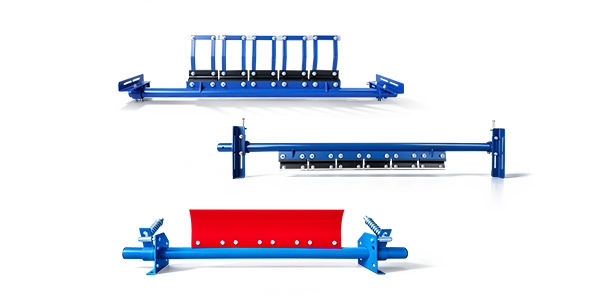
The solution is to inspect the complete cleaning system. Confirm that the primary cleaner is correctly positioned at the head pulley and that the secondary cleaner maintains suitable blade contact. Check cleaner tension, blade wear, belt condition, and the width of the material path. Spiral return rollers, rubber disc return rollers, self-cleaning pulleys, and improved wash or scraping systems may be useful in difficult applications. Properly positioned and tensioned cleaners help control carryback and reduce secondary conveyor problems.
3. Material Spillage at Loading and Transfer Points
Spillage commonly occurs when material escapes from the sides of the conveyor belt at loading zones or transfer points. Typical causes include off-centre loading, overloaded belts, damaged skirting, insufficient belt support, excessive impact, poor chute design, or gaps between sealing components.
Repeated spillage results in lost material, additional cleanup work, blocked access, and contamination of nearby rollers and bearings. Falling material may also create hazards beneath elevated conveyors. The solution should begin with the material flow rather than simply increasing skirt pressure. The material should enter near the centre of the belt, travel in the same direction as the belt, and be controlled before reaching the sealing area.
Inspect the chute outlet, impact rollers or impact bed, skirt rubber, support structure, and actual material volume. Replace damaged sealing components and correct gaps caused by frame movement or worn support equipment. Where production capacity has increased, confirm that the original belt width, speed, and loading-zone design remain suitable for the new operating condition.
4. Conveyor Belt Slippage
Belt slip occurs when the drive pulley rotates without transferring sufficient force to the belt. It is often most noticeable during start-up or when the conveyor is heavily loaded. Warning signs include an unstable belt speed, a burning smell, rubber dust, heat around the drive pulley, or reduced conveying capacity.
Possible causes include insufficient belt tension, worn pulley lagging, wet or contaminated pulley surfaces, material overload, incorrect take-up movement, or an unsuitable drive design. Increasing tension may provide temporary improvement, but excessive tension can overload bearings, shafts, pulleys, and the belt carcass.
Check belt tension, drive pulley lagging, take-up travel, material loading, and belt cleaner condition together. Replace or refurbish worn lagging and remove contamination before increasing mechanical tension.
5. Seized, Noisy, or Damaged Conveyor Rollers
Conveyor rollers and idlers support the belt and conveyed material. A roller that stops rotating becomes a stationary friction point beneath the moving belt. This can wear the belt cover, generate heat, increase power demand, and eventually create a sharp surface capable of cutting the belt.
Noise, vibration, difficult rotation, visible shell wear, damaged rubber rings, or grease leakage are common warning signs. Failure may result from bearing contamination, weak sealing, overloading, incorrect roller spacing, poor installation, or a roller specification that does not match the working environment.
During inspection, rotate accessible rollers by hand only when the conveyor has been safely isolated according to site procedures. Replace seized or heavily worn rollers promptly. Review recurring failure locations: repeated damage in a loading zone may indicate excessive impact, while repeated return-roller failure may be related to carryback or corrosion. Heavy loads and contamination can shorten grease life, damage seals, and lead to bearing failure in conveyor rollers.
6. Pulley and Bearing Problems
Conveyor pulley problems may appear as abnormal bearing temperature, vibration, rumbling noise, uneven lagging wear, shaft movement, grease leakage, or excessive pulley runout. Common causes include contamination, incorrect lubrication, misalignment, overload, damaged seals, worn bearing seats, and material buildup on the pulley surface.
Do not replace the bearing without inspecting the shaft, housing, seals, alignment, and surrounding structure. If the same bearing position fails repeatedly, the original cause may still be present. Check belt tension, bearing fit, pulley alignment, seal condition, lubrication records, and material exposure.
SKF guidance notes that solid or liquid contaminants can increase bearing temperature, wear, noise, and vibration, while misalignment can add load, friction, and vibration. Clean assembly practices, suitable seals, correct bearing fits, and application-specific lubrication are therefore essential.
7. Belt Cuts, Edge Wear, and Splice Damage
Belt damage may include worn edges, cover cuts, punctures, longitudinal tears, surface cracking, and splice separation. These problems may be caused by mistracking, trapped material, damaged rollers, sharp chute components, unsuitable cleaners, excessive impact, or an incorrectly installed splice.
Inspect the complete belt route to identify where the damage begins. A cut that appears repeatedly in the same belt position usually indicates contact with a fixed object. Edge wear suggests belt mistracking or frame contact. Rhythmic mistracking that changes when the splice passes may indicate that the splice is not square.
Minor damage may be repairable if the belt carcass remains structurally reliable. However, repairs should not be treated as a permanent solution when the damaging object or operating condition remains unchanged. Correct the cause before returning the repaired belt to continuous service.
8. Blockages, Overloading, and Uneven Material Flow
Blocked chutes and overloaded belts create sudden stress throughout the conveyor system. Material may accumulate because of wet or sticky conditions, restricted chute openings, worn liners, poor transfer geometry, or feeding rates that exceed conveyor capacity.
The resulting load can cause belt slip, spillage, mistracking, motor overload, increased pulley tension, and bearing damage. Clearing the blockage may restart production, but it does not prevent recurrence. Review the material characteristics, feed rate, chute geometry, liner condition, and discharge opening. Level sensors, flow monitoring, controlled feeders, and suitable chute angles can provide earlier warning and more stable operation.
Where operating output has increased over time, verify whether the conveyor was designed for the current tonnage, lump size, and material moisture. A system that repeatedly operates above its design condition will continue to experience premature component failure.
9. Abnormal Noise, Vibration, and Rising Energy Use
Changes in sound and vibration often provide early evidence of developing conveyor problems. A failed roller bearing may create a rumbling sound, a misaligned pulley may produce rhythmic vibration, and belt rubbing may generate scraping noise. Rising motor current or energy consumption can also indicate seized rollers, excessive tension, material buildup, or overloaded operation.
Maintenance teams should establish normal operating conditions and compare future readings against this baseline. Record bearing temperatures, vibration, drive current, belt speed, and unusual noises at critical positions. Trends are often more useful than a single measurement because they show whether component condition is gradually deteriorating.
A Practical Conveyor Troubleshooting Process
| Step | Recommended Action |
| 1. Define the symptom | Record where, when, and under what load the problem occurs. |
| 2. Inspect upstream | Check components before the visible problem location. |
| 3. Check system conditions | Review alignment, loading, tension, cleanliness, and component condition. |
| 4. Correct one cause | Make controlled changes rather than multiple random adjustments. |
| 5. Verify under load | Confirm that the solution remains effective during normal production. |
Preventing Routine Problems Through Better Component Selection
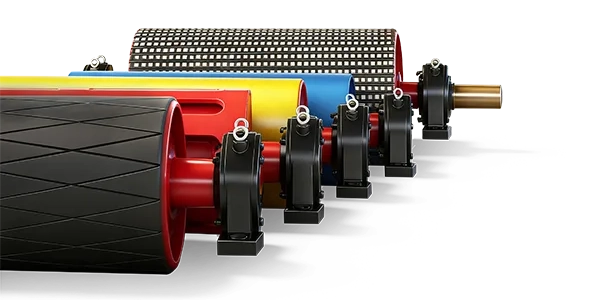
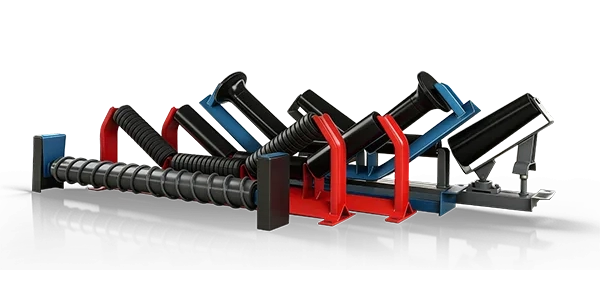
Preventive maintenance is more effective when conveyor components are correctly matched to the application. Rollers should be selected according to belt width, speed, load, impact, dust, moisture, and corrosion. Pulleys should match belt tension, drive requirements, shaft load, bearing arrangement, and lagging conditions. Belt cleaners should be selected according to material characteristics, belt condition, pulley diameter, and available installation space.
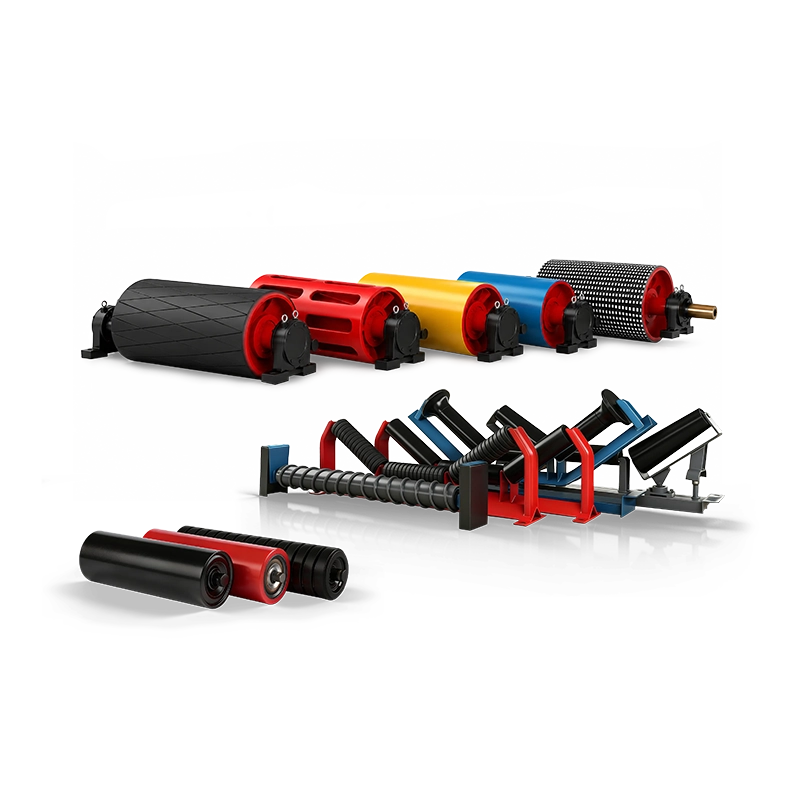
SWCONS and the SHENGYUAN team manufacture conveyor rollers, pulleys, idler sets, and related components for bulk material conveying systems. The company supports customized production based on drawings and project requirements for applications including mining, coal, cement, ports, steel, power generation, aggregates, and chemical handling.
Conclusion: Correct Repeated Problems at Their Source
Routine conveyor problems should not be treated as normal operating conditions. Mistracking, carryback, spillage, belt slip, seized rollers, bearing overheating, belt damage, blockages, noise, and vibration all provide information about the condition of the system. The most reliable solution is to identify the first point of failure, inspect the surrounding components, and correct the underlying cause.
A structured maintenance program should combine regular observation, measured condition monitoring, cleaning, alignment checks, lubrication control, timely component replacement, and accurate maintenance records. This approach reduces repeated repairs, protects the conveyor belt, and improves the reliability of the complete material handling system.
Need help solving repeated conveyor problems?
Send SWCONS your conveyor layout, belt width, belt speed, material type, pulley and roller specifications, working environment, and photos of the problem. Our team can review your application and recommend suitable conveyor rollers, pulleys, idlers, belt cleaners, or customized components. Contact us today to request a technical review and quotation.
FAQ: Common Conveyor Problems
These questions summarize common concerns from plant operators, maintenance teams, engineers, and conveyor component buyers.