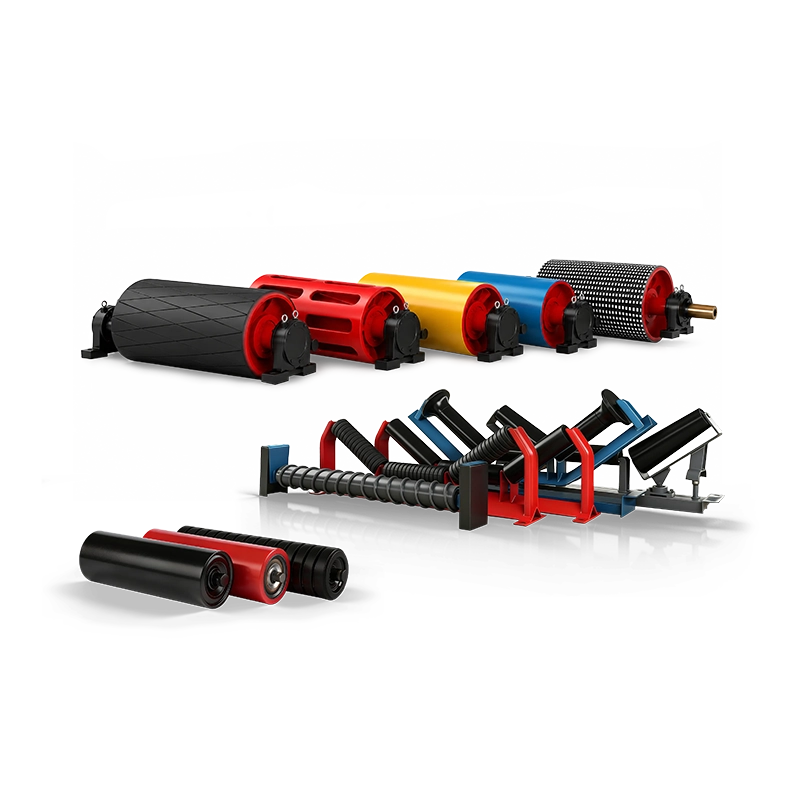

Selecting the right conveyor roller may appear to be a small purchasing decision, but in a belt conveyor system it directly affects belt tracking, energy consumption, material spillage, maintenance frequency, and long-term operating cost. A roller that looks acceptable on paper may fail early if it is not matched to the belt width, load, speed, working environment, and maintenance conditions. For mines, ports, cement plants, power stations, steel plants, quarries, and other bulk material handling operations, the correct roller selection is not only a technical issue; it is also a business decision that influences production stability.
A good conveyor roller should support the belt smoothly, rotate with low resistance, withstand continuous load, resist dust and moisture, and maintain stable performance under harsh operating conditions. This article explains the most important factors to consider when choosing conveyor rollers for a belt conveyor system, using clear language and practical selection logic that can help buyers, engineers, and project managers make more reliable decisions.
Key point: The best conveyor roller is not always the cheapest or the heaviest option. It is the roller that matches the actual working condition, reduces unplanned downtime, and delivers the lowest total cost over its service life.
1. Understand the Conveyor Application Before Choosing the Roller
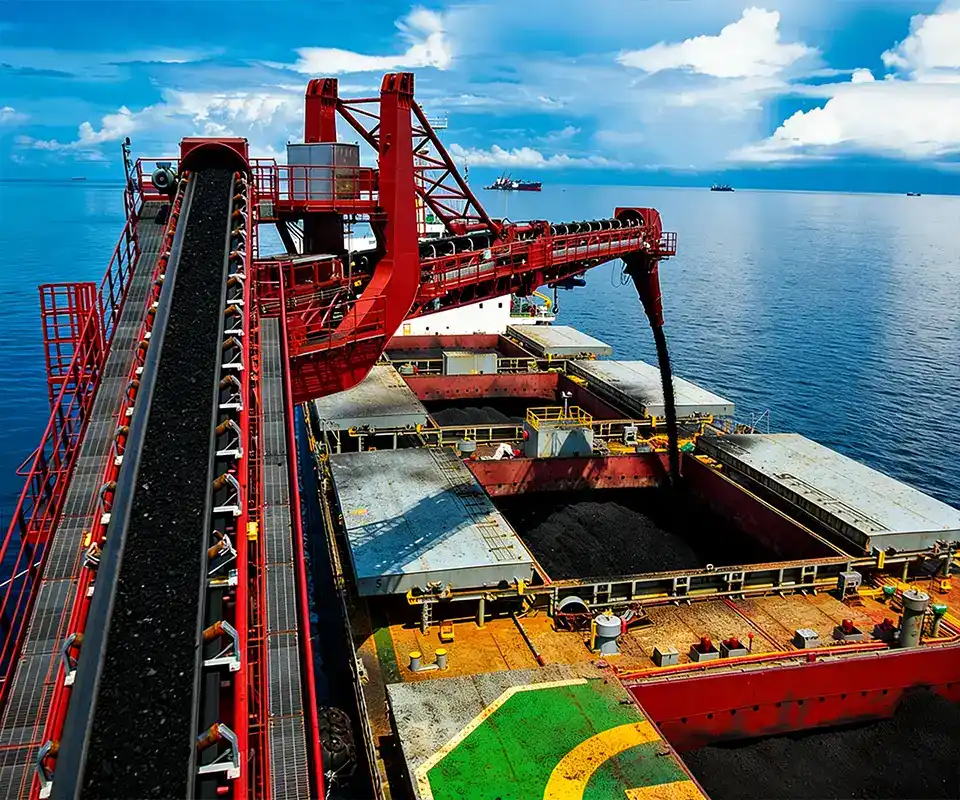
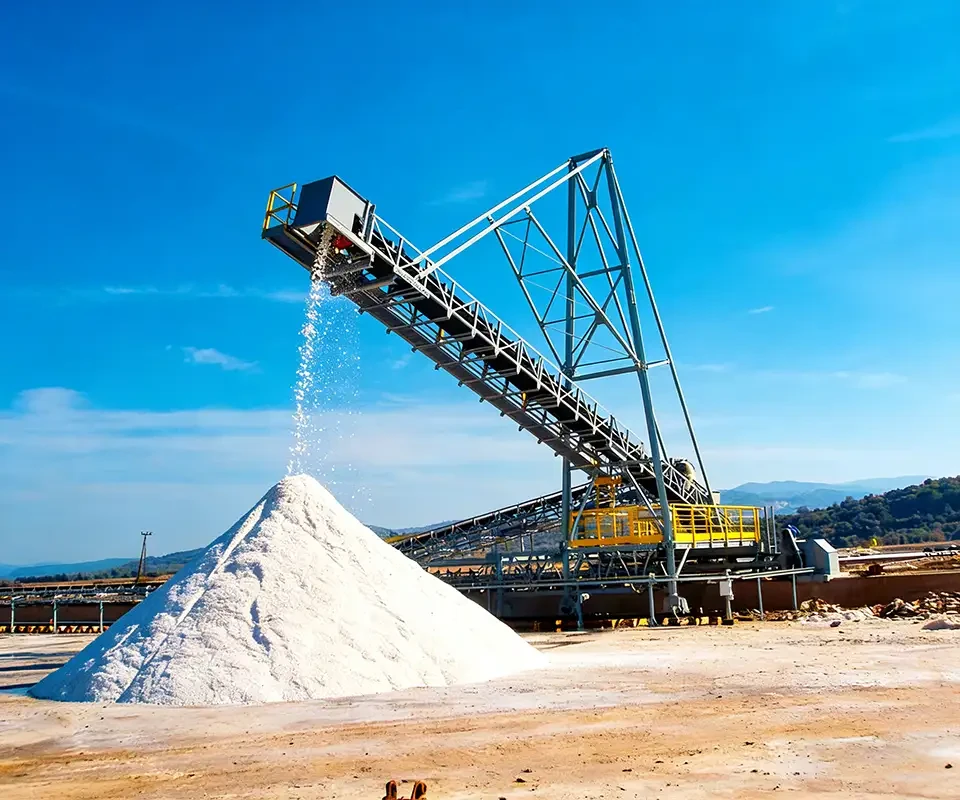
The first step is to understand where the conveyor roller will be used. A roller for a clean indoor packaging line is very different from a roller used in a dusty mine, a wet port terminal, or a high-impact quarry loading zone. In heavy-duty bulk material handling, the roller must handle not only the belt and material weight, but also vibration, impact, abrasive particles, humidity, temperature changes, and possible chemical corrosion.
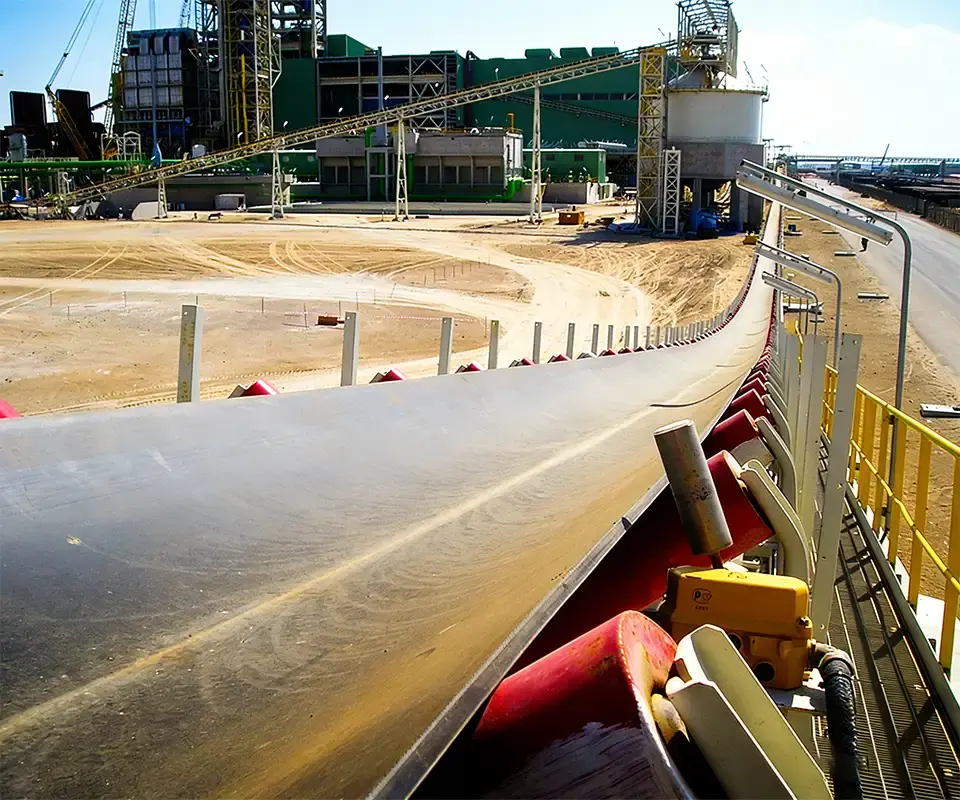
For example, a carrying roller on the loaded side of the belt must support continuous material weight. A return roller mainly supports the empty belt on the return side. An impact roller is installed at the loading point to absorb shock from falling material. A training or self-aligning roller helps correct belt deviation. Choosing the wrong roller type can cause belt mistracking, edge damage, bearing failure, or excessive maintenance.
Loaded Belt Area
Focus on load capacity, shell strength, bearing life, and smooth rotation.
Loading Point
Use impact rollers or impact idler sets to absorb falling material energy.
Return Side
Consider belt cleanliness, material carryback, corrosion, and roller surface design.
2. Match Roller Load Capacity with Real Operating Conditions
Load capacity is one of the most important selection factors. The roller must carry the combined weight of the belt, conveyed material, and dynamic forces generated during operation. In real conveyor systems, the load is not always evenly distributed. Material lumps, uneven feeding, belt vibration, and misalignment can create extra stress on certain rollers.
A common mistake is selecting rollers only according to average material weight. In practice, engineers should also consider peak load, impact load, start-stop frequency, belt tension, and the spacing between idler sets. If the roller is under-designed, the shell may deform, bearings may overheat, and the belt may run unevenly. If it is over-designed without reason, the project cost may increase unnecessarily.
| Selection Factor | Why It Matters |
| Material density | Heavier bulk materials require stronger rollers and suitable bearing capacity. |
| Belt speed | Higher speed increases rotational demand and bearing performance requirements. |
| Impact level | Loading zones require special impact protection to reduce belt and roller damage. |
| Roller spacing | Wider spacing increases load on each roller and may affect belt support. |
3. Choose the Right Roller Diameter and Wall Thickness
Roller diameter influences rotation speed, bearing stress, belt support, and energy efficiency. A larger diameter roller rotates fewer times over the same belt travel distance, which can help reduce bearing wear in high-speed or long-distance conveyor systems. However, larger rollers may also increase initial cost and require suitable frame space.
Wall thickness is equally important. A thin shell may be acceptable for light loads, but in abrasive and high-load bulk handling applications, insufficient wall thickness can lead to denting, bending, or early failure. For mining, aggregate, cement, coal, and port conveyors, it is usually necessary to select rollers with stronger tube construction and reliable welding quality.
When comparing conveyor roller quotations, do not check only the outside diameter. Also confirm tube wall thickness, shaft diameter, bearing model, seal structure, roller length, and applicable belt width.
4. Evaluate Roller Material According to the Environment
Material selection should be based on the operating environment and the type of material being conveyed. Steel rollers are widely used because they offer high strength and good load-bearing performance. They are suitable for many heavy-duty conveyor systems, especially where impact resistance and structural strength are required.
For environments with corrosion, moisture, or chemical exposure, galvanized steel, stainless steel, HDPE, or other corrosion-resistant designs may be considered. For applications with sticky material carryback, spiral return rollers or rubber disc return rollers may help reduce material buildup on the belt return side. For areas requiring shock absorption, rubber impact rollers are more suitable than standard steel rollers.
Steel Conveyor Roller
Suitable for heavy load, high strength requirements, and harsh bulk material handling conditions.
HDPE Conveyor Roller
Useful where corrosion resistance, lighter weight, and lower operating noise are important.
Rubber Impact Roller
Designed for loading points where falling material creates shock and belt stress.
5. Pay Attention to Bearings and Sealing Performance
Bearings are the core component of a conveyor roller. Even if the roller shell is strong, poor bearing quality can quickly cause rotation resistance, noise, overheating, and failure. In a continuous conveyor system, a seized roller can damage the belt surface and may even create safety risks if not detected in time.
Sealing is especially important in dusty or wet environments. Dust, mud, water, and fine particles can enter the bearing area if the seal design is weak. Once contamination reaches the bearing, lubrication performance decreases and service life shortens. A reliable conveyor roller should have a suitable seal structure, stable bearing seat, and consistent assembly quality.
For harsh working conditions, buyers should ask suppliers about bearing brand options, grease type, seal structure, dust resistance, waterproof performance, and rotation resistance testing. These details are often more important than a small difference in unit price.
6. Consider Belt Width, Roller Length, and Troughing Angle
The conveyor roller must match the belt width and frame structure. If the roller length is incorrect, the belt may not be properly supported. If the roller set geometry is unsuitable, material may spill, the belt may mistrack, or the system may experience uneven wear.
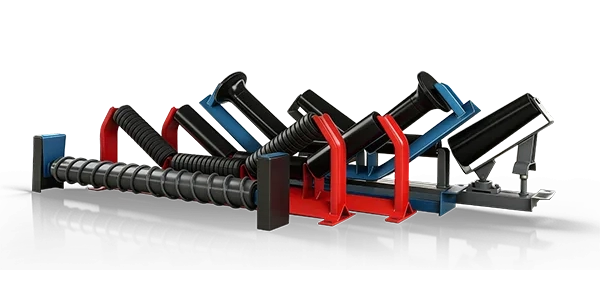
For troughed belt conveyors, carrying rollers are commonly arranged in three-roll or five-roll idler sets. The troughing angle affects the carrying capacity of the belt and the stability of the material profile. A higher troughing angle may increase carrying capacity, but it must be compatible with the belt structure, material characteristics, and conveyor design.
Technical data to confirm before ordering
- Belt width and belt speed
- Roller diameter and roller length
- Shaft diameter and end type
- Bearing model and sealing structure
- Troughing angle and idler frame dimensions
- Material type, density, lump size, and moisture level
- Working environment, including dust, water, corrosion, and temperature
7. Select the Correct Roller Type for Each Conveyor Position
A complete belt conveyor system usually requires different roller types in different positions. Using one standard roller for all positions may simplify procurement, but it can reduce system reliability. Each roller should solve a specific operating problem.
Carrying rollers support the loaded belt and should offer stable rotation and strong load capacity. Return rollers support the empty belt and may need anti-stick or anti-corrosion properties. Impact rollers protect the belt at loading points. Guide rollers or training rollers help control belt deviation. Spiral rollers are often used where material carryback may accumulate on the return side.
| Roller Type | Main Function | Typical Use |
| Carrying Roller | Supports the loaded belt | Main conveying section |
| Return Roller | Supports the empty return belt | Return side of conveyor |
| Impact Roller | Absorbs shock from falling material | Loading and transfer points |
| Training Roller | Helps correct belt misalignment | Areas with tracking problems |
8. Compare Total Cost, Not Only Purchase Price
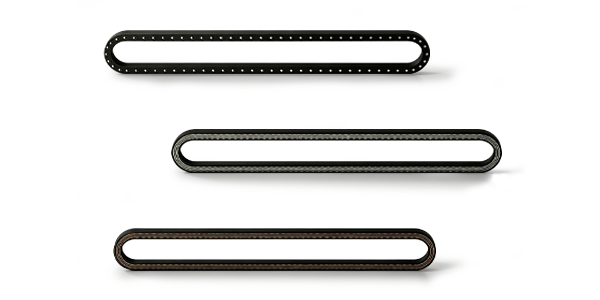
For many projects, conveyor rollers are purchased in large quantities, so unit price naturally receives attention. However, the lowest-priced roller may not be the most economical choice. A roller with poor sealing, weak bearings, inaccurate dimensions, or unstable rotation can increase maintenance costs, belt damage, labor requirements, and production interruptions.
The true cost of a conveyor roller includes purchase price, installation cost, energy consumption, replacement frequency, belt wear, downtime risk, and spare parts management. In heavy-duty operations, one unexpected shutdown may cost far more than the price difference between standard and higher-quality rollers.
Business perspective: A reliable conveyor roller helps protect the belt, reduce emergency maintenance, and improve operating continuity. For large conveyor systems, life-cycle value is often more important than the first purchase price.
9. Check Manufacturing Quality and Inspection Standards
Quality consistency is critical when purchasing conveyor rollers in batches. A single sample may perform well, but mass production must maintain the same dimensional accuracy, welding quality, bearing assembly, balance, and surface treatment. This is why buyers should evaluate not only the product specification but also the supplier’s manufacturing and inspection capability.
For projects following international or national standards, it is advisable to confirm the applicable requirements in advance. Common reference systems may include ISO, DIN, CEMA, JIS, AS, or GB/T standards, depending on the project location and engineering specification. The supplier should be able to review drawings, confirm tolerances, and provide customized solutions when standard dimensions are not suitable.
Important inspection items may include roller runout, rotation resistance, axial movement, bearing fit, seal installation, weld appearance, coating thickness, and packaging protection. For export projects, packaging and logistics support should also be considered because roller damage during transport can delay installation and increase project cost.
10. Consider Maintenance Access and Spare Parts Strategy
A technically correct conveyor roller should also be practical to maintain. In large plants, rollers may be installed along long conveyor lines, elevated structures, tunnels, galleries, or outdoor routes. If replacement is difficult, it becomes even more important to select rollers with reliable sealing, stable bearings, and long service life.
A good spare parts strategy should classify rollers by position and criticality. High-wear areas such as loading zones, bend points, and wet sections may require more frequent inspection. Standardizing certain roller dimensions can reduce spare inventory complexity, while customized rollers should be clearly documented with drawings and part numbers.
11. Work with a Supplier That Understands Heavy-Duty Bulk Handling
Conveyor roller selection is easier when the supplier understands the full conveyor system, not only the roller itself. An experienced manufacturer can help review belt width, material type, operating speed, installation position, environmental conditions, and drawing requirements before production. This reduces the risk of wrong specifications and improves project efficiency.
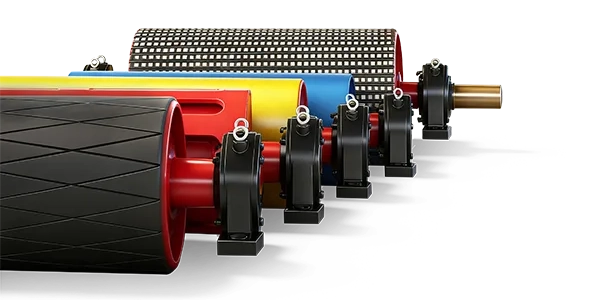
SHENGYUAN focuses on conveyor rollers, conveyor pulleys, idler sets, and related components for bulk material handling applications. For demanding industries such as mining, coal, cement, ports, aggregates, steel, power plants, and chemical handling, the ability to provide OEM and custom manufacturing support is especially valuable. When a project requires non-standard dimensions, special surface treatment, specific bearing options, or drawing-based production, supplier communication and technical response speed become important selection factors.
Conclusion: The Right Conveyor Roller Protects the Whole System
Choosing the right conveyor roller requires a complete understanding of load, speed, belt width, working environment, roller material, bearing quality, sealing performance, installation position, and maintenance requirements. A well-selected roller supports smooth belt operation, reduces energy loss, limits belt damage, and lowers the risk of unplanned downtime. A poorly selected roller may create repeated failures, higher maintenance cost, and unstable production.
For buyers and project engineers, the most practical approach is to compare conveyor rollers based on total life-cycle value rather than purchase price alone. Before placing an order, confirm the working condition, technical drawings, applicable standards, and inspection requirements with the supplier. This helps ensure that the conveyor roller is not only available, but also suitable, durable, and cost-effective for the actual conveyor system.
Need help selecting the right conveyor roller for your project?
Send us your belt width, roller size, material type, operating environment, drawings, or project requirements. Our team can help you evaluate suitable conveyor roller options and provide a customized quotation for your bulk material handling system.
FAQ
Q1What information is needed to choose a conveyor roller?
You should provide belt width, roller diameter, roller length, shaft size, bearing requirement, material type, belt speed, load condition, working environment, and installation position. If drawings are available, they can make selection more accurate.
Q2Which conveyor roller is suitable for heavy-duty mining conveyors?
Heavy-duty mining conveyors usually require strong steel rollers, reliable bearings, effective sealing, and suitable wall thickness. Loading points should use impact rollers to absorb shock and protect the belt.
Q3How can I reduce conveyor roller failure?
Choose rollers with proper load capacity, good bearing quality, effective sealing, accurate dimensions, and suitable material. Regular inspection, belt cleaning, and correct installation also help reduce roller failure.
Q4Is a larger conveyor roller diameter always better?
Not always. A larger diameter may reduce rotational speed and improve durability in some systems, but it must match the conveyor frame, belt speed, load, and budget. The correct diameter should be selected according to the actual working condition.
Q5Can conveyor rollers be customized?
Yes. Conveyor rollers can be customized according to drawings, belt width, shaft design, bearing type, sealing structure, surface treatment, and application requirements. Custom manufacturing is often necessary for replacement projects, export projects, and heavy-duty conveyor systems.