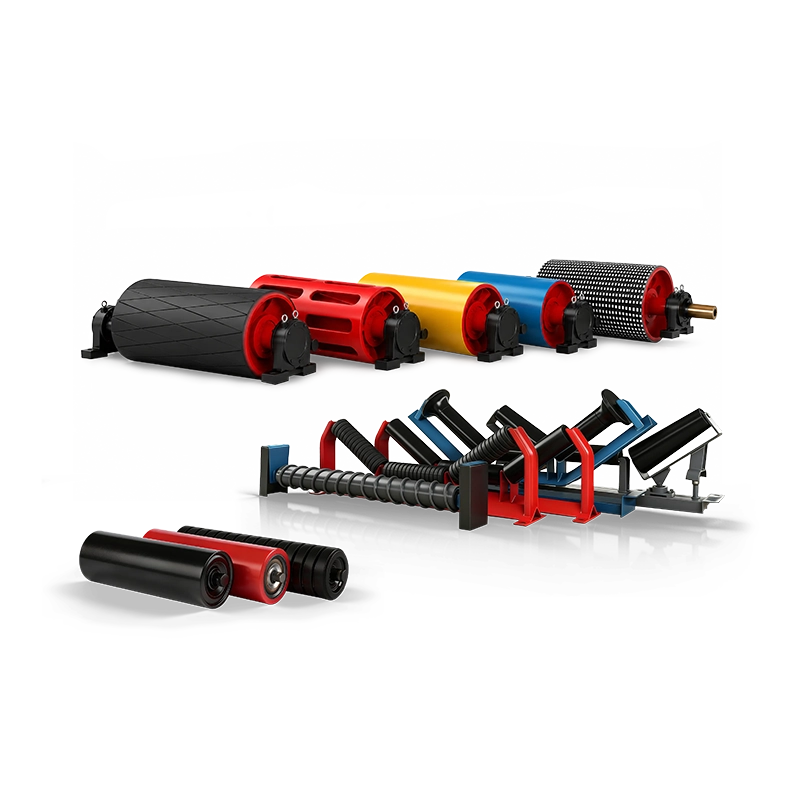
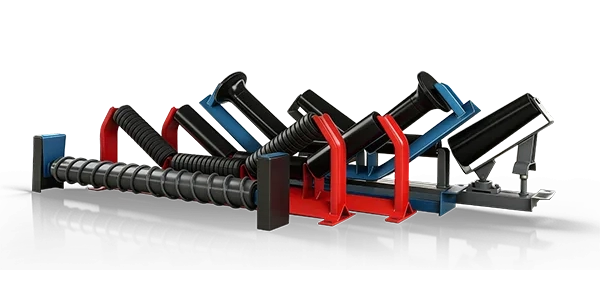
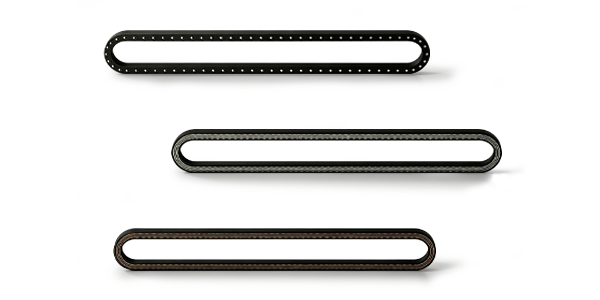



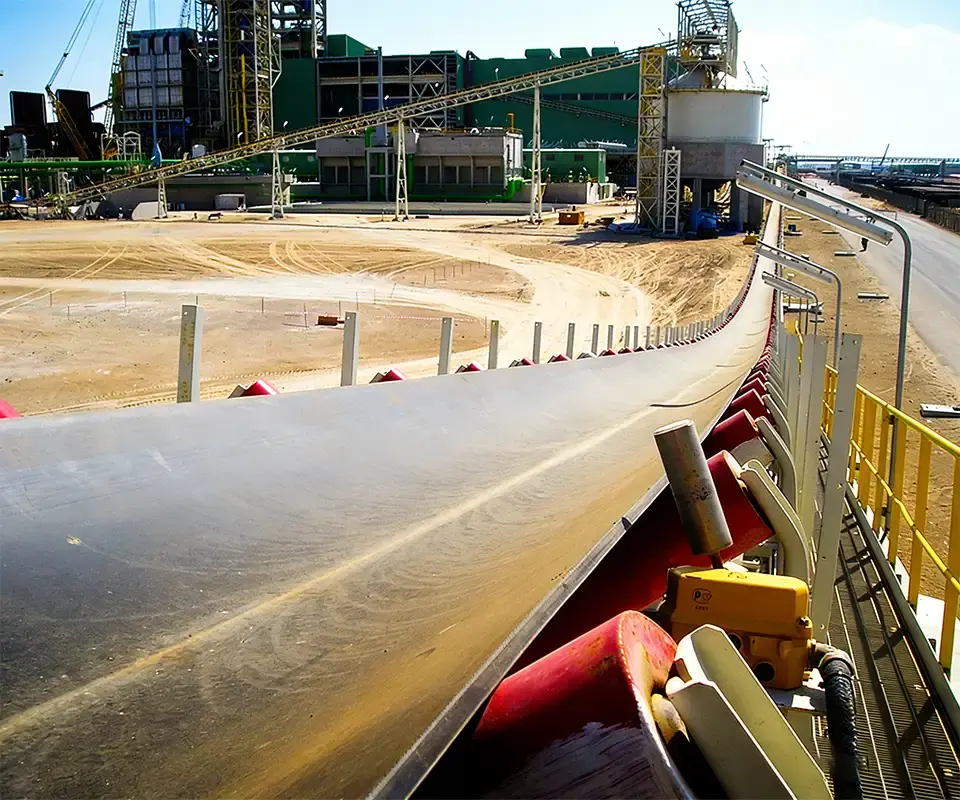
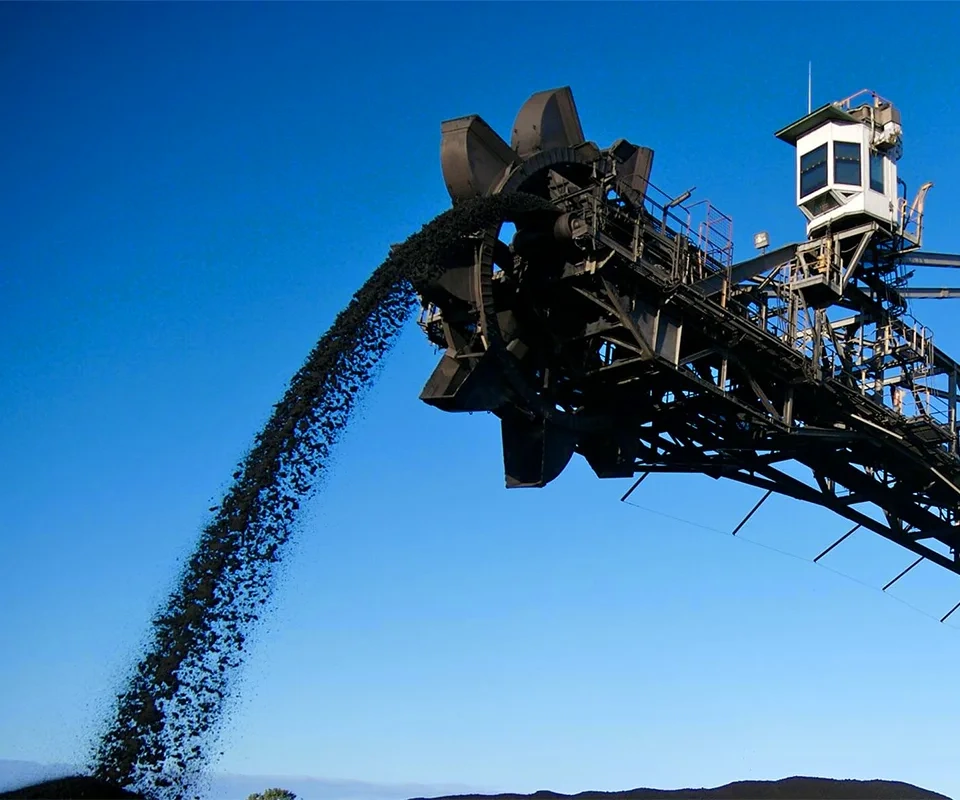
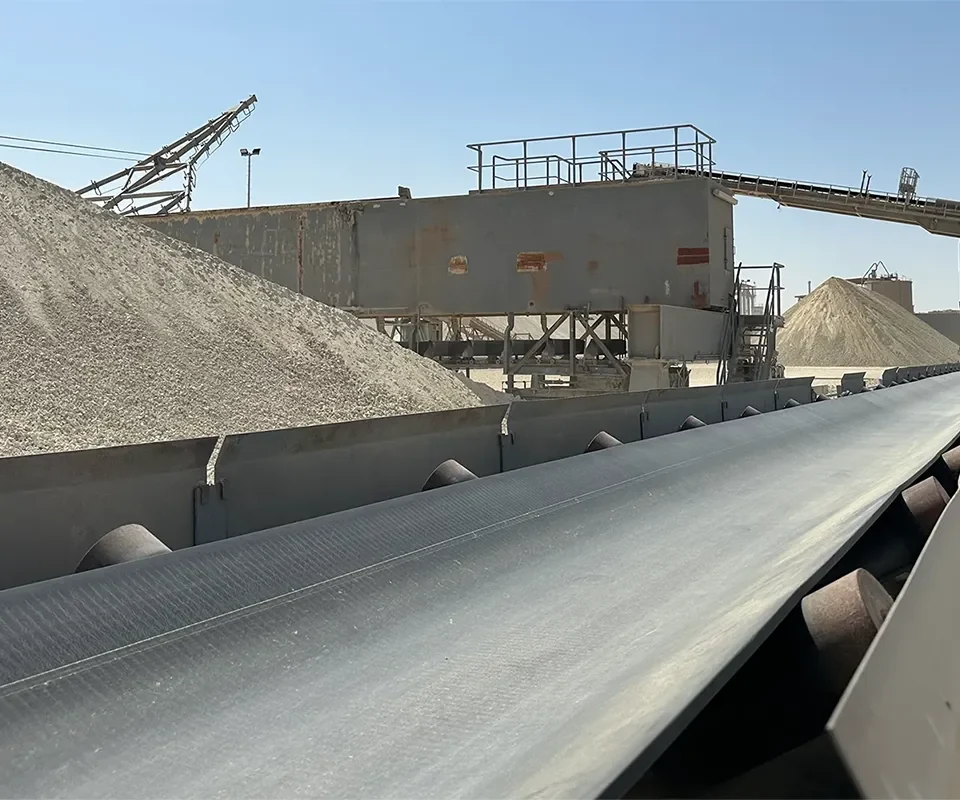
In modern industrial production, conveyor systems play a vital role in achieving automation and efficient material handling across various industries. From mining and ports to food processing and manufacturing, conveyors are widely used. At the heart of these systems, the Drive Pulley is known as the “power core” of the conveyor. It not only drives the belt but also directly affects conveying efficiency, equipment lifespan, and overall operational stability.
However, many companies focus only on motor power or belt materials when selecting conveyor equipment, often overlooking the structural design and selection of the Drive Pulley. In fact, choosing the right Drive Pulley can significantly reduce energy consumption, lower maintenance costs, and improve productivity. This article provides a comprehensive overview of conveyor drive pulleys, covering structure, key parameters, and selection methods.
What Is a Drive Pulley? The Power Core of a Conveyor
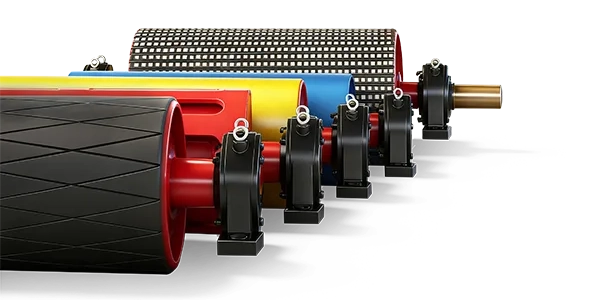
A Drive Pulley is responsible for transmitting the power generated by the motor to the conveyor belt, enabling continuous material transport. Unlike standard pulleys, a Drive Pulley must withstand high torque while maintaining sufficient friction to prevent belt slippage.
In a typical belt conveyor system, the Drive Pulley is installed at the head section and driven by a motor and gearbox. As the pulley rotates, friction between the pulley surface and the belt drives the belt forward, enabling material transport.
Key Structure of a Drive Pulley
A high-quality Drive Pulley consists of several critical components, each directly affecting performance:
1. Drum Shell
The drum shell forms the main body of the pulley and is usually made of high-strength steel plates. The thickness is designed based on load requirements. In large mining conveyors, shell thickness can exceed 20 mm.
2. Shaft
The shaft transmits power from the gearbox to the pulley and bears rotational loads. High-quality shafts are typically made from alloy steel and heat-treated to ensure long-term stability.
3. Lagging
To increase friction and reduce belt slippage, pulleys are often covered with rubber or ceramic lagging. Studies show that ceramic lagging can improve friction by 30%–50%, especially in wet or dusty environments.
4. Bearings and Sealing System
Bearings determine the operational lifespan, while sealing systems prevent dust and moisture from entering. In industries such as mining and cement, sealing performance is critical for maintenance cycles.
How to Select the Right Drive Pulley
Selecting the correct Drive Pulley is crucial for both performance and cost efficiency. The following factors should be considered:
1. Conveyor Load and Power Requirements
Determine the maximum load and motor power. In large mining systems, pulley diameters typically range from 800 mm to 1600 mm to ensure sufficient driving force.
2. Belt Width
The pulley length must match the belt width, with additional margin to prevent belt misalignment. Generally, the pulley should be 50–100 mm wider than the belt.
3. Working Environment
In wet, muddy, or dusty conditions, ceramic lagging is recommended to enhance friction and durability. In food or pharmaceutical industries, stainless steel pulleys are more suitable.
Case Study: Drive Pulley Upgrade in a Mining System
A large iron ore company experienced frequent belt slippage, especially during the rainy season. The original Drive Pulley used standard rubber lagging, which provided insufficient friction, reducing conveying efficiency by about 15%.
During the upgrade, the company replaced it with a ceramic-lagged Drive Pulley and optimized the pulley diameter and bearing system. After the upgrade, belt slippage was nearly eliminated, and operational stability improved significantly.
According to company data, the new Drive Pulley reduced maintenance costs by approximately 20% annually and increased conveying efficiency by 12%. This case highlights the importance of proper selection.
Conclusion: The Right Drive Pulley Determines Conveyor Efficiency
Although the Drive Pulley is just one component, it plays a decisive role in the stability and efficiency of the entire conveyor system. From structural design and material selection to lagging type, every detail matters.
When selecting a Drive Pulley, companies should consider load conditions, working environment, and maintenance costs—not just initial price. A well-designed, high-quality Drive Pulley can significantly improve productivity while reducing long-term operating costs.
With the continuous advancement of automation and intelligent manufacturing, optimizing key conveyor components has become essential for enhancing competitiveness—and the Drive Pulley is undoubtedly one of the most critical elements.